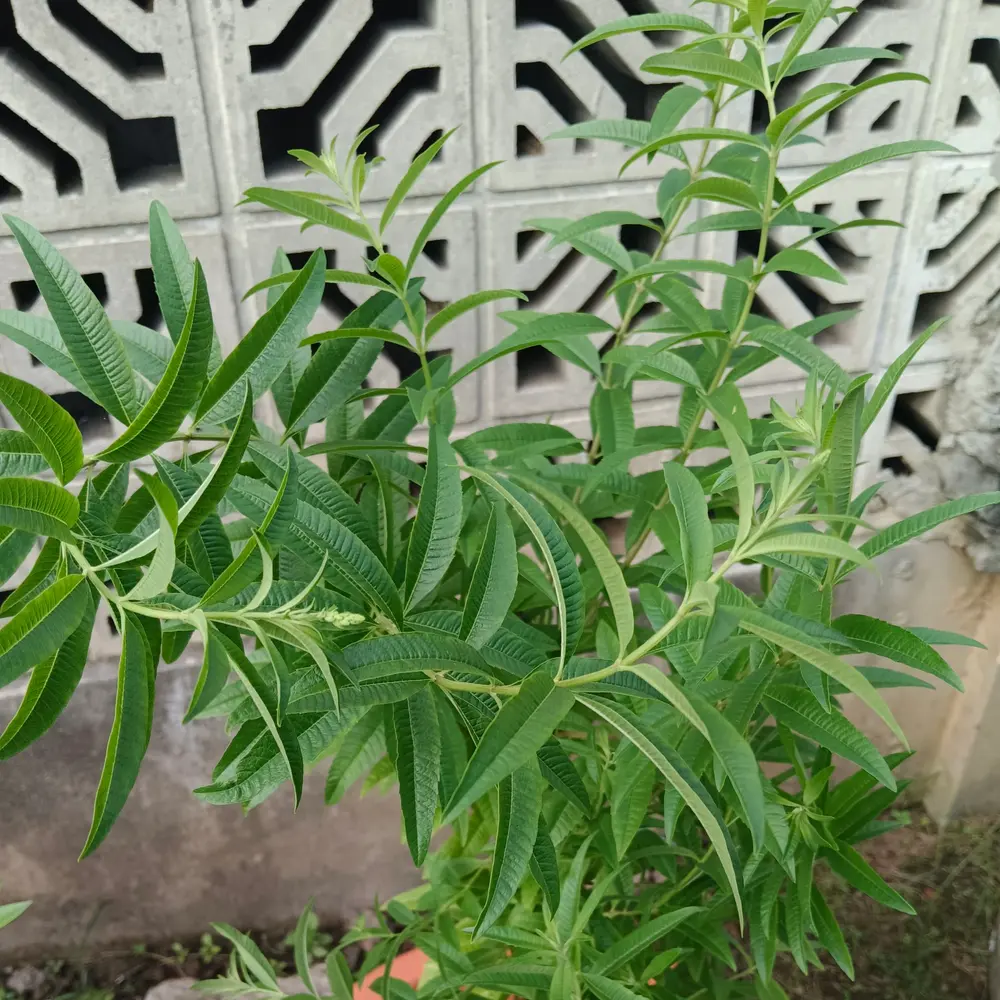
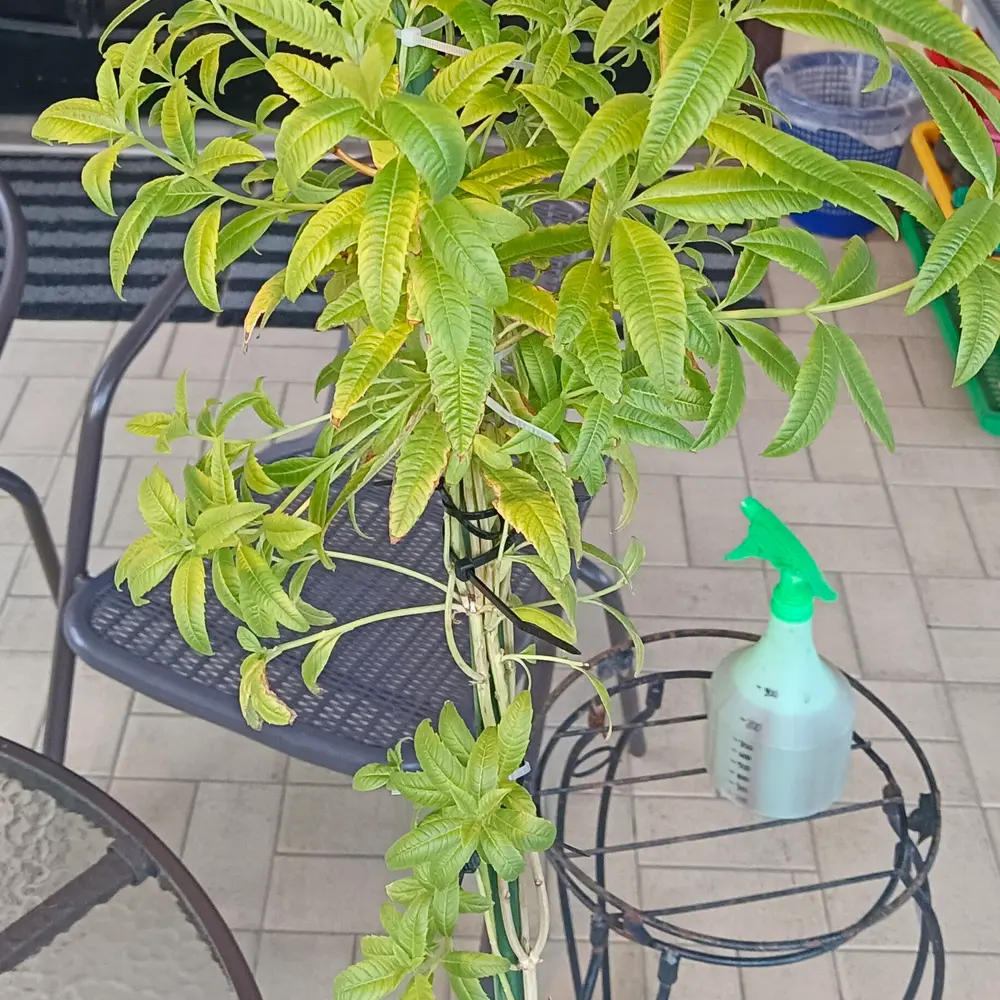
🌳 Optimal Hardiness Zones for Sweet Almond Bush: 8a-11b
Aloysia virgata
By the Greg Editorial Team
Sep 28, 2024•5 min read
This article was created with the help of AI so we can cover more plants for you. May contain errors. See one? Report it here.
Master the temperature needs 🌡️ for thriving sweet almond bushes and discover their ideal growing regions!
- 🌞 Sweet almond bushes thrive in zones 8a-11b, ideal for warmer climates.
- ❄️ They tolerate cold down to 15°F, but frost can harm new growth.
- 🌱 Well-drained, fertile soil and full sun are essential for optimal growth.
Temperature Tolerance
❄️ Cold Tolerance Specifics
Sweet almond bushes can withstand cold temperatures down to 15°F (-9°C). However, they are sensitive to frost, which can adversely affect new growth and flowering.
☀️ Heat Tolerance Specifics
On the flip side, these bushes thrive in heat, tolerating temperatures up to 100°F (38°C). Their adaptability makes them resilient in high temperatures and drought conditions.
🌡️ Ideal Temperature Ranges for Growth
For optimal growth, sweet almond bushes prefer a temperature range of 60°F to 80°F (15°C to 27°C). It's essential to note that temperature fluctuations can significantly impact their growth and flowering cycles.
Understanding these temperature tolerances is crucial for gardeners aiming to cultivate sweet almond bushes successfully. With the right conditions, these plants can flourish beautifully, setting the stage for the next section on ideal growing regions.
Ideal Growing Regions
🌍 Examples of US States in Zones 8a-11b
Sweet almond bushes thrive in several states within hardiness zones 8a to 11b. Notable examples include California, Florida, Texas, Louisiana, and parts of Arizona.
In California, regions like the Central Valley and Southern California provide ideal conditions. Florida's coastal areas, particularly around Miami, also support robust growth. Texas benefits from its southern regions, while Louisiana's warm climate is perfect for these plants.
☀️ Factors Contributing to Ideal Conditions
Two primary factors contribute to the ideal growing conditions for sweet almond bushes: soil type and sunlight exposure.
These bushes prefer well-drained, fertile soils that allow for proper root development. Additionally, they require full sun exposure to maximize growth and flowering potential.
🌡️ Climate Characteristics
The climate in these ideal regions is characterized by warm temperatures and low frost occurrences. This combination is crucial for the healthy development of sweet almond bushes.
Seasonal weather patterns, such as mild winters and warm summers, further enhance their growth. These conditions create a nurturing environment, allowing the plants to flourish throughout the year.
Understanding these ideal growing regions helps gardeners select the best locations for planting sweet almond bushes, ensuring a bountiful harvest.
As we explore the next section, we’ll delve into the fascinating world of microclimates and how they can impact the growth of these beautiful plants.
Microclimates and Their Impact
🌍 Definition and Importance
Microclimates are localized climate variations that can significantly influence plant growth. Understanding these variations is crucial for gardeners, as they can dictate which plants thrive in specific areas.
🌱 Extending Growing Zones
Urban areas, hills, and bodies of water can create unique microclimates. These factors often allow plants, like the sweet almond bush, to flourish outside their typical hardiness zones.
🌿 Examples Affecting Growth
In California, coastal areas benefit from the ocean's moderating effects, creating milder conditions. Similarly, Florida's subtropical regions experience warmth that enhances frost tolerance and overall plant health.
By recognizing these microclimates, gardeners can optimize their planting strategies and ensure better growth outcomes. Understanding local conditions can make all the difference in cultivating a thriving garden.
State-Level Suitability Analysis
🌟 Suitable States
When it comes to growing sweet almond bushes, certain states shine in the hardiness zones of 8a to 11b.
- California: Known for its warm climate, California offers ideal conditions for sweet almonds, especially in regions like the Central Valley.
- Florida: With its subtropical climate, Florida provides the warmth and humidity that these bushes thrive in.
- Texas: The southern parts of Texas, particularly near the Gulf Coast, create a favorable environment for almond growth.
- Louisiana: Similar to Texas, Louisiana's warm temperatures and ample rainfall support healthy almond bushes.
- Arizona: Parts of Arizona, especially in the southern regions, have the right heat and sunlight for optimal growth.
These states boast climates that align perfectly with the sweet almond bush's needs, ensuring robust growth and flowering.
❌ Unsuitable States
On the flip side, some states are not suitable for sweet almond bushes due to their harsh climates.
- North Dakota: The extreme cold and long winters make it impossible for these plants to survive.
- Minnesota: Similar to North Dakota, Minnesota experiences severe frost and freezing temperatures.
- Maine: The northern climate is too chilly, with high frost occurrences that hinder growth.
- Other Northern States: States like Montana and Wyoming also face challenges due to their colder climates.
These regions simply do not provide the warmth and stability that sweet almond bushes require to thrive.
📊 Suitability Analysis
Understanding the temperature ranges and frost dates is crucial for successful almond cultivation.
Sweet almond bushes flourish in temperatures between 60°F to 80°F (15°C to 27°C). In suitable states, frost dates typically fall later in spring and earlier in fall, allowing for a longer growing season.
Local climate factors, such as elevation and proximity to bodies of water, can also influence viability. For instance, coastal areas may have milder temperatures compared to inland regions, making them more suitable for almond growth.
In summary, selecting the right state is essential for cultivating sweet almond bushes successfully. By focusing on climate compatibility, you can ensure a thriving garden that produces beautiful blooms and delicious nuts.
Next, let’s explore how microclimates can further impact the growth of sweet almond bushes.
⚠️ Safety First
This content is for general information and may contain errors, omissions, or outdated details. It is not medical, veterinary advice, or an endorsement of therapeutic claims.
Always consult a qualified healthcare professional before using any plant as food, medicine, or supplement.
Never eat any plant (or feed one to pets) without confirming its identity with at least two trusted sources.
If you suspect poisoning, call Poison Control (800) 222-1222, the Pet Poison Helpline (800) 213-6680, or your local emergency service immediately.
Spotted an error? Please report it here.
Grow your sweet almond bush successfully 🌱 by using Greg's tailored care reminders to meet its specific needs in hardiness zones 8a to 11b!