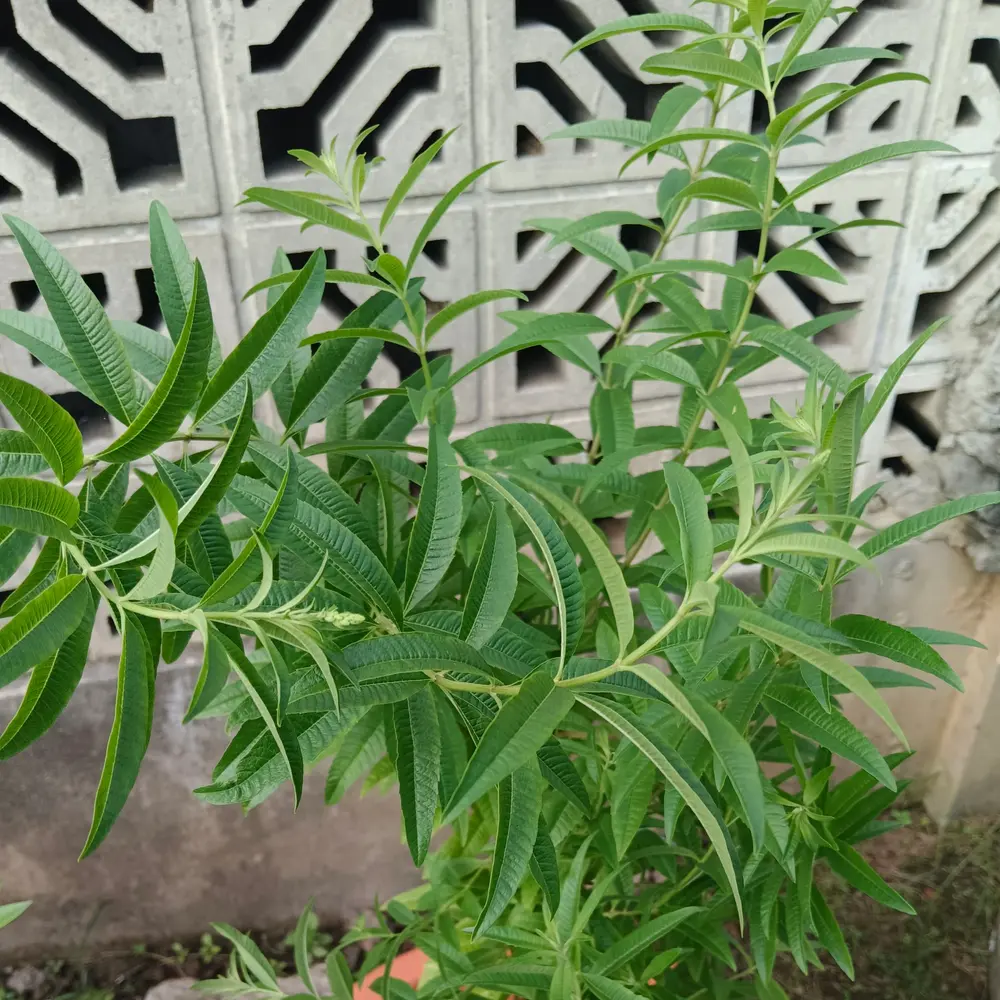
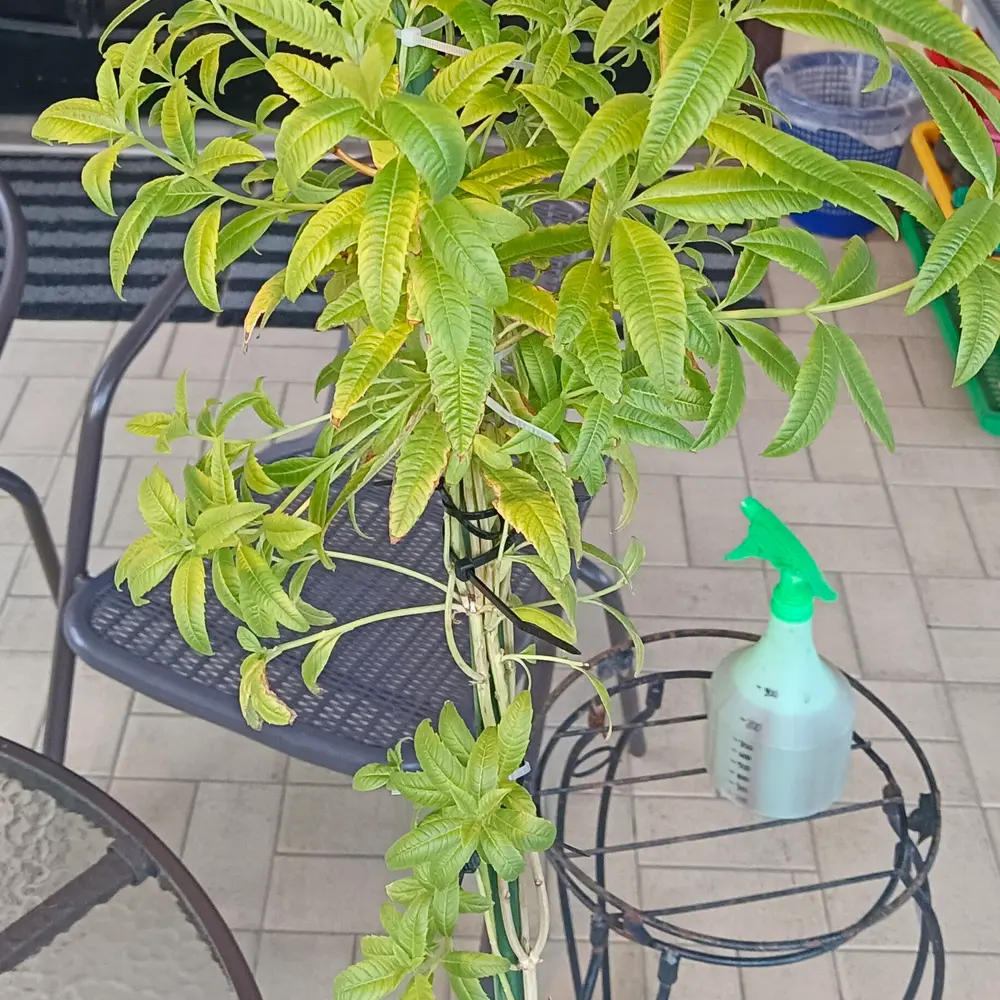
☀️ Ultimate Guide to Direct Sunlight for Sweet Almond Bush
Aloysia virgata
By the Greg Editorial Team
Sep 28, 2024•4 min read
This article was created with the help of AI so we can cover more plants for you. May contain errors. See one? Report it here.
Master your Sweet Almond Bush's sunlight needs 🌞 for vibrant blooms and lush growth in your garden!
- ☀️ Sweet Almond Bush needs 6-8 hours of direct sunlight for optimal growth.
- 🌡️ Extreme heat may require protection to prevent stress and leaf scorch.
- 🌱 Insufficient sunlight leads to weak growth and increased pest vulnerability.
Sunlight Needs of Sweet Almond Bush
Requirements for Direct Sunlight 🌞
Sweet Almond Bush thrives in full sun environments, needing at least 6-8 hours of direct sunlight daily. This exposure is crucial for optimal growth, resulting in healthier plants and more fragrant flowers.
Tolerance Levels for Direct Sunlight 🛡️
This plant exhibits a high tolerance for full sun but may require some protection during extreme heat. Keep in mind that different varieties may have varying abilities to tolerate partial shade.
Effects of Sunlight on the Plant 🌻
While Sweet Almond Bush loves the sun, too much can lead to leaf scorch, wilting, and stress if moisture levels aren’t maintained. Conversely, insufficient sunlight can result in weak growth, fewer flowers, and increased vulnerability to pests.
Understanding these sunlight needs is essential for nurturing a thriving Sweet Almond Bush. With the right conditions, you can enjoy a vibrant and fragrant addition to your garden.
Environmental Factors
Role of Window Direction in Sunlight Exposure 🌞
The direction of your windows plays a crucial role in how much sunlight your Sweet Almond Bush receives.
South-facing windows: These are the champions, soaking up the most direct sunlight throughout the day, perfect for your plant's needs.
East-facing windows: They offer a gentler morning sunlight, which can be beneficial for a slow start to the day.
West-facing windows: Expect strong afternoon sunlight here, which can be intense but rewarding if managed well.
North-facing windows: Unfortunately, these typically provide only indirect light, making them unsuitable for the Sweet Almond Bush.
Impact of Hemisphere on Sunlight Intensity and Duration 🌍
Understanding your hemisphere is essential for optimal plant care.
Northern Hemisphere: Here, you'll enjoy longer days in summer and shorter ones in winter, which significantly affects growth cycles.
Southern Hemisphere: The seasonal effects are reversed, so knowing your local climate is key to nurturing your Sweet Almond Bush effectively.
By considering both window direction and your hemisphere, you can create the ideal environment for your plant to thrive. This knowledge sets the stage for the next steps in ensuring your Sweet Almond Bush receives the right amount of sunlight.
Practical Tips for Plant Parents
Assessing Sunlight Conditions 🌞
To ensure your Sweet Almond Bush thrives, start by observing its location. Check how many hours of direct sunlight it receives daily.
Next, consider using a light meter to measure sunlight intensity. This tool can help you determine if your plant is getting the right amount of light.
Finally, monitor your plant's behavior closely. Look for signs of healthy growth or stress, which can indicate whether it’s receiving adequate sunlight.
Signs of Stress from Improper Sunlight Exposure ⚠️
Be on the lookout for leaf scorch, which manifests as brown, crispy edges on leaves. This is a clear sign that your plant may be getting too much sun without enough moisture.
Wilting is another indicator; drooping leaves often suggest a lack of water. If you notice stunted growth, such as smaller-than-expected size or fewer flowers, your plant might not be getting enough sunlight.
Adjusting Light Conditions for Optimal Growth 🔄
If your Sweet Almond Bush isn’t thriving, consider moving the plant to a brighter spot. Relocating it can make a significant difference in its health.
Using sheer curtains can also help filter excessive sunlight during peak hours. This way, your plant receives the right amount of light without getting scorched.
Lastly, rotate the plant regularly to ensure even light exposure on all sides. This simple step can promote balanced growth and prevent leaning.
By following these practical tips, you can create an ideal environment for your Sweet Almond Bush, ensuring it flourishes beautifully. Next, let’s explore common misconceptions about sunlight needs for this lovely plant.
Common Misconceptions
🌞 Myths About Sweet Almond Bush and Sunlight
One common myth is that the Sweet Almond Bush can thrive in complete shade. In reality, this plant requires direct sunlight for optimal health and flowering.
🌤️ Clarifying Full Sun vs. Partial Shade
Understanding sunlight requirements is crucial. Full sun means the plant needs 6-8 hours of direct sunlight daily, while partial shade offers only 3-6 hours. Insufficient light can lead to weaker growth and fewer flowers in the Sweet Almond Bush.
By debunking these myths, you can better care for your Sweet Almond Bush and ensure it flourishes in your garden. Next, let’s explore practical tips for assessing sunlight conditions to maximize your plant's growth.
⚠️ Safety First
This content is for general information and may contain errors, omissions, or outdated details. It is not medical, veterinary advice, or an endorsement of therapeutic claims.
Always consult a qualified healthcare professional before using any plant as food, medicine, or supplement.
Never eat any plant (or feed one to pets) without confirming its identity with at least two trusted sources.
If you suspect poisoning, call Poison Control (800) 222-1222, the Pet Poison Helpline (800) 213-6680, or your local emergency service immediately.
Spotted an error? Please report it here.
Give your Sweet Almond Bush the sunshine it craves ☀️ with Greg's tailored care tips, ensuring it gets the 6-8 hours of direct light needed for vibrant growth and blooms!