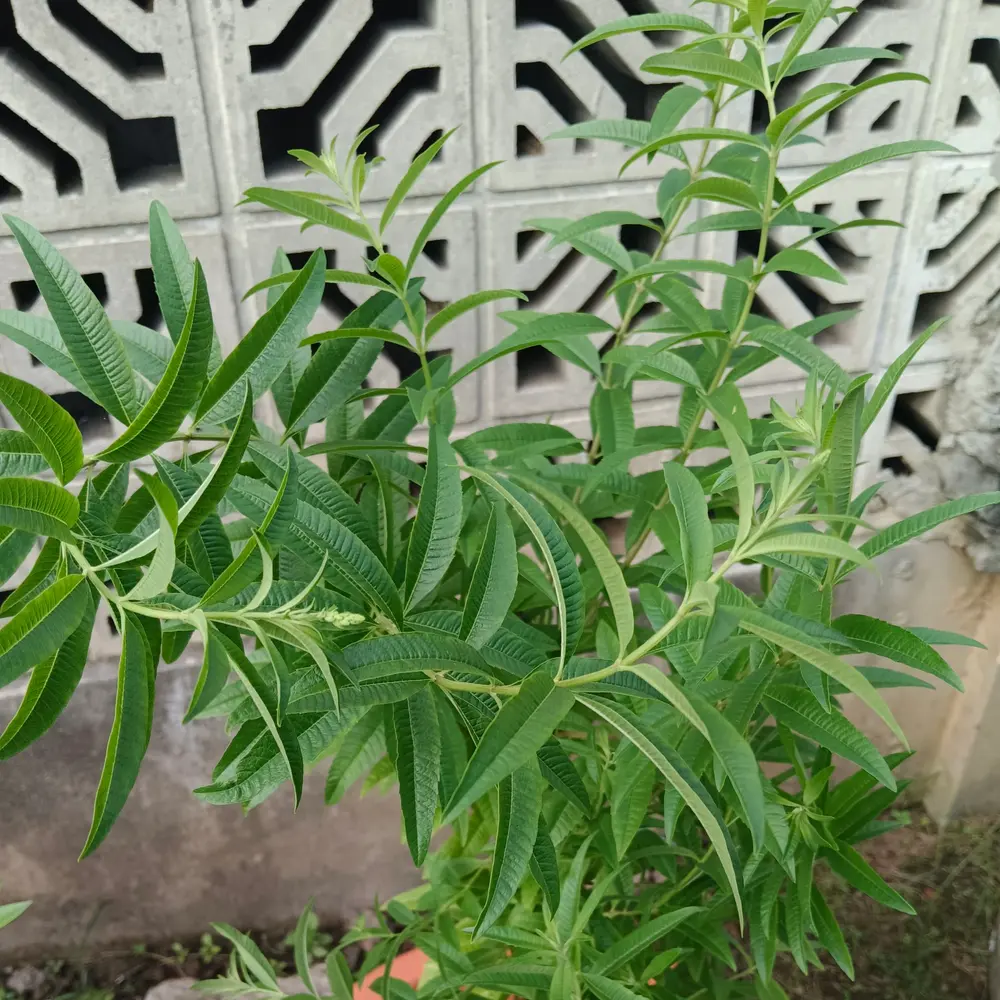
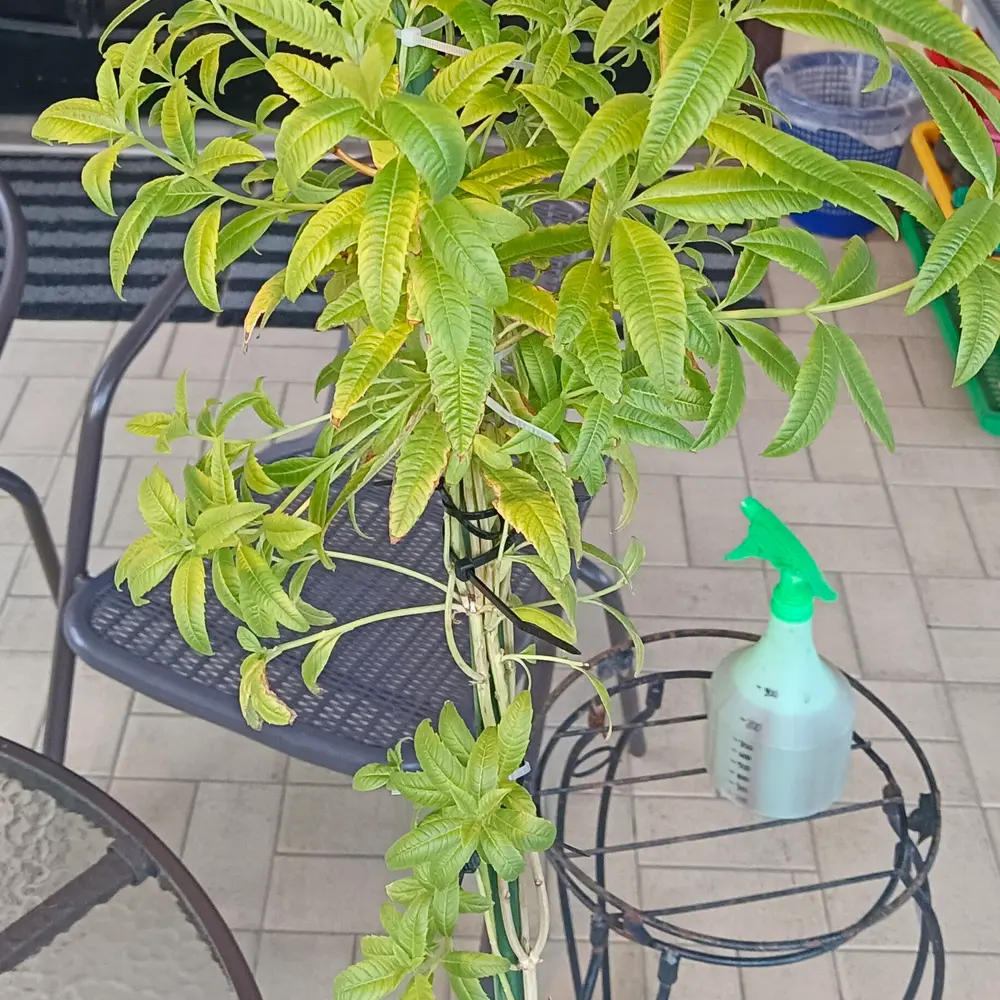
How to Cure Dropping Leaves on Your Sweet Almond Bush 🌰
Aloysia virgata
By the Greg Editorial Team
Sep 28, 2024•7 min read
This article was created with the help of AI so we can cover more plants for you. May contain errors. See one? Report it here.
Prevent leaf drop in your sweet almond bush 🌿 with these essential care tips for a thriving plant!
- 💧 Overwatering and underwatering both cause leaf drop; balance moisture for health.
- 🐜 Pests like aphids weaken your sweet almond bush; use neem oil for control.
- 🌱 Nutrient deficiencies lead to poor health; use balanced fertilizers and soil tests.
Causes of Leaf Drop
💧 Overwatering and Its Effects
Overwatering is a common culprit behind leaf drop in sweet almond bushes. Symptoms include yellowing leaves, wilting despite moist soil, and the development of root rot.
Well-drained soils are essential for the health of your plant. Maintaining ideal soil moisture levels can significantly reduce the risk of leaf drop.
🌵 Underwatering and Its Effects
Underwatering can also lead to leaf drop, manifesting as crispy, dry leaves and leaf curl. Stunted growth is another telltale sign that your plant isn't getting enough water.
To prevent these issues, establish a consistent watering frequency. This ensures your sweet almond bush receives adequate moisture without the risk of waterlogging.
🐞 Pest Infestations
Common Pests
Pest infestations can wreak havoc on your sweet almond bush. Aphids are notorious for leaving a sticky residue and curling leaves, which weakens the plant and can lead to leaf drop.
Spider mites are another threat, identifiable by fine webbing and stippled leaves. They reduce the plant's vigor, ultimately causing leaf drop.
Pest Control
Managing pests organically is both effective and eco-friendly. Consider using neem oil, insecticidal soap, or introducing beneficial insects to keep your plants healthy.
🥦 Nutrient Deficiencies
Key Nutrients
Nutrient deficiencies can also cause leaf drop. A lack of nitrogen results in pale leaves and poor growth, while potassium deficiency leads to leaf edge browning and weak stems.
Nutrient Supplementation
To combat these deficiencies, use recommended fertilizers and follow proper application methods. This will help restore your plant's health and vitality.
🍄 Fungal Infections and Diseases
Fungal infections, such as root rot and leaf spot diseases, can severely impact your sweet almond bush. Symptoms include discolored leaves and wilting.
Prevention is key, so ensure proper watering and soil drainage. If infections occur, explore treatment options like fungicides or organic remedies to protect your plant.
Understanding these causes of leaf drop is crucial for maintaining a healthy sweet almond bush. With the right care and attention, you can keep your plant thriving and vibrant.
Diagnosing Leaf Drop Issues
Identifying Symptoms 🌿
Diagnosing leaf drop on your sweet almond bush starts with keen observation. Look for visual cues like yellowing leaves or wilting, which can indicate overwatering, while crispy, dry leaves suggest underwatering.
Soil Tests 🧪
Conducting soil tests is crucial for understanding moisture levels. Check if the soil feels soggy or dry to the touch; this will help you determine your watering practices.
Assessing Leaf Texture 🥬
Leaf texture can reveal a lot about your plant's health. Soft, mushy leaves may signal overwatering, while brittle leaves often point to underwatering.
Pest Inspection Techniques 🔍
Inspect your plant for pests by closely examining the undersides of leaves. Look for signs like sticky residue from aphids or fine webbing from spider mites.
Testing Soil Drainage 🚰
To test soil drainage, dig a small hole and fill it with water. If it drains slowly, your soil may retain too much moisture, leading to root issues.
Monitoring Environmental Factors 🌡️
Keep an eye on light, temperature, and humidity levels. Too much direct sunlight or extreme temperatures can stress your sweet almond bush, contributing to leaf drop.
By systematically identifying these symptoms, you can pinpoint the underlying issues affecting your plant. This proactive approach sets the stage for effective treatment and care.
Preventive Measures
Proper Watering Techniques 🌊
Effective watering is crucial for the health of your sweet almond bush. Adjust the frequency and amount based on the season and soil type to maintain optimal moisture levels.
Soil Selection and Amendments 🏞️
Choosing the right soil is essential for drainage. Aim for well-draining soils like sandy loam, and consider amendments such as compost or perlite to enhance soil structure.
Fertilization Schedule 📅
Timing your fertilization can make a significant difference. Use balanced fertilizers during the growing season to provide essential nutrients and support robust growth.
Pest Management Strategies 🐞
Integrated pest management (IPM) is key to keeping your plants healthy. Regular monitoring and early intervention can help you catch pest issues before they escalate.
Environmental Adjustments 🌤️
Modifying light exposure and humidity levels can reduce stress on your sweet almond bush. Ensure your plant receives adequate light while maintaining a stable humidity level to promote overall health.
By implementing these preventive measures, you can create a thriving environment for your sweet almond bush, minimizing the risk of leaf drop and other issues. Next, let’s explore treatment options to address any existing problems effectively.
Treatment Options
Adjusting Watering Practices 💧
To correct overwatering, first assess your soil's moisture level. If it's consistently soggy, reduce watering frequency and allow the soil to dry out between sessions.
For underwatering, increase the amount of water during each session. Aim for deep watering to encourage root growth, ensuring the soil is moist but not waterlogged.
Soil Amendments for Better Drainage 🏞️
Improving soil drainage is crucial for your sweet almond bush's health. Consider adding materials like perlite, sand, or compost to enhance aeration and drainage.
These amendments help prevent root rot and promote a healthier root system. A well-draining soil mix will support optimal moisture levels, reducing the risk of leaf drop.
Organic Pest Control Methods 🐞
Managing pests organically is essential for maintaining plant health. Start by introducing beneficial insects like ladybugs, which naturally prey on aphids and other pests.
You can also use neem oil or insecticidal soap as effective treatments. These options are gentle on your plants while effectively controlling pest populations.
Nutrient Supplementation 🌱
To address nutrient deficiencies, identify which nutrients your plant lacks. For nitrogen, consider using a balanced fertilizer that promotes leafy growth.
For potassium deficiencies, look for fertilizers specifically designed to enhance fruit and flower development. Regularly testing your soil can guide your supplementation efforts.
Treatment for Fungal Infections 🦠
Fungal infections can severely impact your sweet almond bush. If you suspect root rot or leaf spot diseases, apply a suitable fungicide as soon as possible.
Organic treatments, like a baking soda solution or compost tea, can also be effective. Regularly inspect your plants to catch any signs of infection early, ensuring a healthier bush overall.
Transitioning to seasonal considerations, it's vital to adjust your care routine as the weather changes. This will help your sweet almond bush thrive throughout the year.
Seasonal Considerations
🌧️ Seasonal Watering Adjustments
As seasons change, so should your watering routine. In warmer months, your Sweet Almond Bush may require more frequent watering, while cooler months call for less.
Monitor soil moisture regularly to avoid overwatering during rainy seasons. Adjust your watering schedule based on temperature and humidity levels to keep your plant thriving.
🗓️ Fertilization Timing
Timing is crucial for effective fertilization. Spring is the ideal time to apply fertilizers, as this is when your plant begins its active growth phase.
Consider a second application in mid-summer to support continued growth. This ensures your Sweet Almond Bush receives essential nutrients when it needs them most.
❄️ Preparing for Winter Stress
Winter can be tough on your Sweet Almond Bush. To prepare, consider mulching around the base to insulate the roots and retain moisture.
Additionally, reduce watering as the plant enters dormancy. This helps prevent root rot and prepares your bush for the colder months ahead.
🐛 Monitoring for Pests
Pest activity can fluctuate with the seasons. Regularly inspect your plant for signs of pests, especially in spring and fall when they are most active.
Implementing a proactive monitoring strategy can help you catch infestations early. This way, you can take action before they cause significant damage to your Sweet Almond Bush.
By adjusting your care routine seasonally, you can enhance the health and resilience of your plant. Next, let’s explore treatment options to address any existing issues.
⚠️ Safety First
This content is for general information and may contain errors, omissions, or outdated details. It is not medical, veterinary advice, or an endorsement of therapeutic claims.
Always consult a qualified healthcare professional before using any plant as food, medicine, or supplement.
Never eat any plant (or feed one to pets) without confirming its identity with at least two trusted sources.
If you suspect poisoning, call Poison Control (800) 222-1222, the Pet Poison Helpline (800) 213-6680, or your local emergency service immediately.
Spotted an error? Please report it here.
Keep your sweet almond bush leafy and lush 🍃 by using Greg's tailored watering reminders and pest management tips to tackle leaf drop effectively!