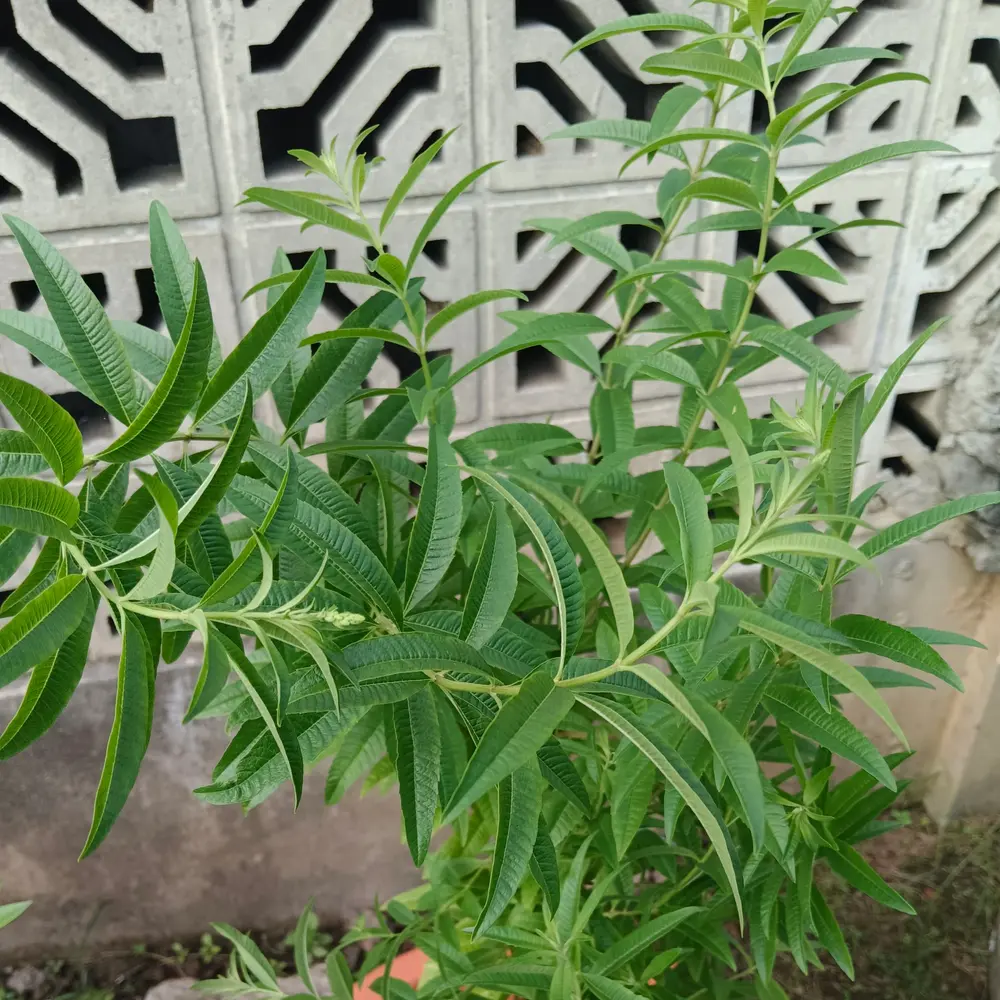
💧 Sweet Almond Bush Care: Preventing and Treating Root Rot
Aloysia virgata
By the Greg Editorial Team
Sep 28, 2024•5 min read
This article was created with the help of AI so we can cover more plants for you. May contain errors. See one? Report it here.
Ensure your Sweet Almond Bush thrives by mastering root rot prevention and care tips! 🌿
- 🌱 Proper soil drainage prevents root rot in Sweet Almond Bushes—essential for healthy growth.
- 🏺 Use raised beds and loamy soil for optimal drainage and nutrient absorption.
- 🔍 Regular inspections and moisture meters help detect root rot early and ensure plant health.
Preventing Root Rot
🌧️ Importance of Soil Drainage
Soil drainage is crucial for preventing water accumulation around the roots of your Sweet Almond Bush. Without proper drainage, excess water can lead to root rot, a common issue that can devastate your plant.
To enhance drainage, consider using raised beds or incorporating gravel layers into your planting area. These solutions help ensure that water flows away from the roots, keeping them healthy and thriving.
🏺 Best Soil Types for Sweet Almond Bush
Choosing the right soil mix is essential for your Sweet Almond Bush's health. A combination of loamy soil and perlite creates a well-draining environment that allows roots to breathe.
Aim for a soil pH between 6.0 and 7.0, which is slightly acidic to neutral. This range supports optimal nutrient absorption and overall plant vitality.
🚿 Watering Practices to Avoid Overwatering
Watering practices play a significant role in preventing root rot. Allow the top 1-2 inches of soil to dry out before watering again, which helps maintain a balanced moisture level.
Be vigilant for signs of overwatering, such as soil that remains soggy for extended periods. This can indicate that your plant is at risk of developing root rot.
🌬️ Environmental Factors Contributing to Root Rot
Environmental factors also influence the health of your Sweet Almond Bush. Maintaining moderate humidity levels around the plant can help prevent fungal growth, which thrives in overly damp conditions.
Additionally, ensure adequate airflow around your plant. Good air circulation helps keep the leaves dry and reduces the risk of fungal infections that can lead to root rot.
By focusing on these preventive measures, you can create a thriving environment for your Sweet Almond Bush. Next, let’s explore how to diagnose root rot effectively.
Diagnosing Root Rot
🌿 Signs to Look for in Sweet Almond Bush
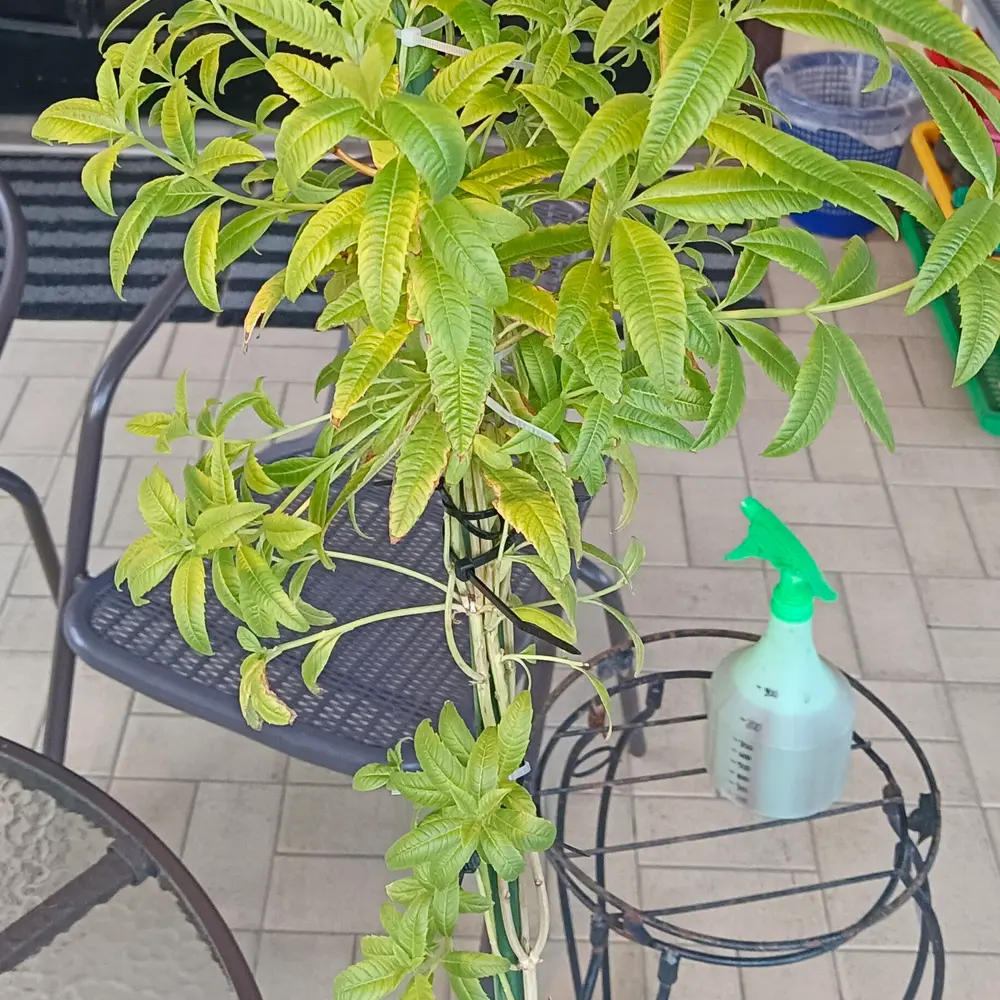
Detecting root rot early can save your sweet almond bush from serious damage. Look for visual symptoms like leaf yellowing, wilting, and stunted growth.
Inspecting the roots is equally crucial. Check for mushy or discolored roots, which are telltale signs of decay.
🔍 How to Check for Root Rot (Visual Inspection)
To diagnose root rot, follow these simple steps:
- Gently remove the plant from its pot.
- Inspect the root system for color and texture.
- Look for any foul odors indicating decay.
This straightforward process can help you identify issues before they escalate.
🛠️ Tools Needed for Diagnosis
Having the right tools makes diagnosing root rot easier. You'll need clean pruning shears for root inspection to avoid contamination.
Gloves are essential to keep your hands safe and prevent spreading any pathogens. A magnifying glass can help you examine the roots in detail, ensuring you catch any subtle signs of trouble.
By staying vigilant and using these tools, you can effectively monitor your sweet almond bush's health. This proactive approach will set the stage for successful treatment and recovery.
Next, let's explore the step-by-step treatment process for root rot to help your plant bounce back.
Treating Root Rot
Step-by-Step Treatment Process 🌱
Treating root rot starts with careful inspection. First, gently remove the plant from its pot and examine the roots for any signs of damage.
Next, trim away the affected roots. Cut back to healthy tissue to give your plant the best chance of recovery.
Finally, clean the pot thoroughly. Use a diluted bleach solution to disinfect it, ensuring no pathogens linger.
Recommended Fungicides or Treatments 💊
When it comes to treating root rot, you have options. Organic treatments like neem oil or cinnamon powder can be effective and are gentle on the environment.
If you prefer chemical solutions, look for specific fungicides labeled for root rot treatment. These can provide a more aggressive approach if needed.
Repotting Techniques for Affected Plants 🪴
Once you've treated the roots, it's time to repot. Start by choosing a fresh, well-draining potting mix that promotes healthy growth.
Select a pot with drainage holes to prevent future issues. This is crucial for maintaining proper moisture levels.
When replanting, ensure you place the plant at the same depth as before. This helps it acclimate better to its new environment.
Post-Treatment Care and Monitoring 👀
After repotting, adjust your watering schedule. Allow the soil to dry out between waterings to avoid reintroducing root rot.
Regular inspections are key. Keep an eye out for signs of recovery or further decline, and act quickly if you notice any issues.
By following these steps, you can help your sweet almond bush bounce back from root rot and thrive once again. Now, let’s explore long-term care strategies to prevent recurrence.
Long-term Care Strategies
Regular Maintenance Tips to Prevent Recurrence 🌱
To keep your Sweet Almond Bush thriving, regular maintenance is key. Start by adding seasonal soil amendments, such as organic matter, to enhance drainage.
Mulching is another effective strategy. Use organic mulch to retain moisture while preventing waterlogging, ensuring your plant stays healthy.
Seasonal Care Adjustments 🌦️
As seasons change, so should your care routine. Adjust your watering frequency based on the weather; plants may need less water during cooler months.
Additionally, keep an eye out for pests, especially during warmer months. Early detection can save your plant from significant damage.
Monitoring Soil Moisture Levels 💧
Accurate moisture management is crucial for your plant's health. Consider using moisture meters to gauge soil moisture levels effectively.
Visual checks are also important. Regularly observe the soil surface for signs of dryness or dampness to ensure your Sweet Almond Bush receives the right amount of water.
By implementing these long-term care strategies, you can create a thriving environment for your Sweet Almond Bush, minimizing the risk of root rot and promoting overall health. Next, let’s explore how to diagnose root rot effectively.
⚠️ Safety First
This content is for general information and may contain errors, omissions, or outdated details. It is not medical, veterinary advice, or an endorsement of therapeutic claims.
Always consult a qualified healthcare professional before using any plant as food, medicine, or supplement.
Never eat any plant (or feed one to pets) without confirming its identity with at least two trusted sources.
If you suspect poisoning, call Poison Control (800) 222-1222, the Pet Poison Helpline (800) 213-6680, or your local emergency service immediately.
Spotted an error? Please report it here.
Keep your Sweet Almond Bush thriving and root rot-free 🌿 with Greg's tailored watering alerts and moisture tracking to ensure your plant gets just the right care it needs!