Sweet Almond Bush: A Perennial Plant 🥜
Aloysia virgata
By the Greg Editorial Team
Sep 28, 2024•5 min read
This article was created with the help of AI so we can cover more plants for you. May contain errors. See one? Report it here.
Transform your garden with the resilient Sweet Almond Bush 🌱, a perennial that blooms beautifully year after year!
- 🌱 Sweet Almond Bush is a perennial, thriving for years with robust root systems.
- 🌼 Blooms from late spring to summer, attracting pollinators and enhancing garden beauty.
- 🌞 Thrives in USDA zones 9-11, adaptable to warmer climates with low maintenance needs.
Classification of Sweet Almond Bush as a Perennial
Key Characteristics 🌱
The Sweet Almond Bush is a remarkable perennial, thriving for multiple years. Its ability to regrow from the same root system each year ensures a vibrant presence in your garden.
Multi-Year Lifecycle 🌿
This plant boasts a multi-year lifecycle, allowing it to survive and flourish over time. Each year, it draws energy from its established roots, making it resilient and reliable.
Growth Patterns 📏
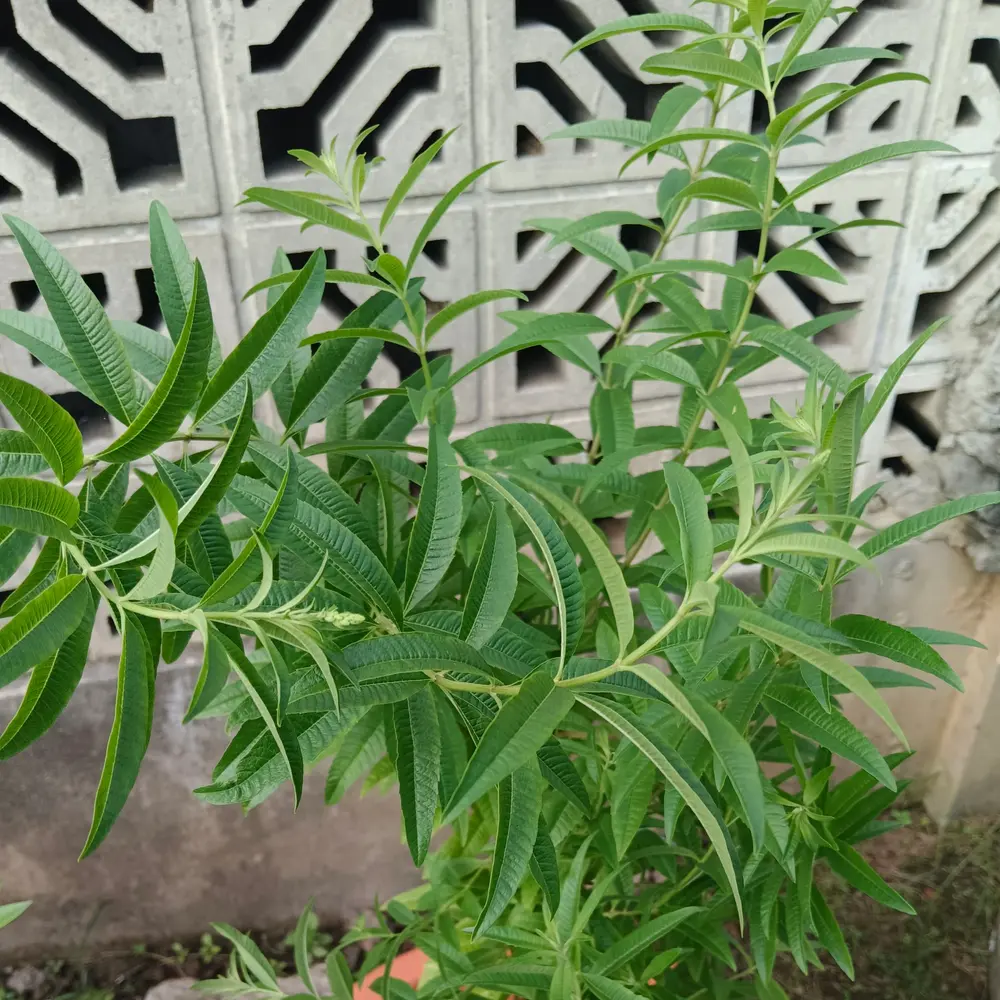
In terms of growth, the Sweet Almond Bush typically reaches heights of 3 to 6 feet. Its dense foliage and branching structure not only provide visual appeal but also contribute to its longevity.
Root Regeneration 🌳
One of the standout features of this bush is its robust root system. These established roots enhance nutrient uptake and improve water retention, making it a low-maintenance choice for gardeners.
The Sweet Almond Bush's classification as a perennial highlights its enduring nature and adaptability. As we explore its lifecycle and growth patterns, you'll see how these characteristics play a crucial role in its success in various environments.
Lifecycle and Growth Patterns
Lifecycle Stages 🌱
The Sweet Almond Bush begins its journey with an initial establishment phase in its first year. During this time, it focuses on developing a robust root system that will support its growth in the years to come.
As it matures, the plant enters a full growth and flowering phase. This typically occurs in the subsequent years, showcasing its vibrant blooms and lush foliage.
Regrowth from roots is a remarkable feature of this perennial. The plant conserves energy during dormancy, allowing it to bounce back even after harsh conditions.
Seasonal Growth Dynamics 🌸
Spring marks the start of vigorous growth and the initiation of flowering. This is when the Sweet Almond Bush truly comes alive, displaying its lush greenery.
In summer, the plant reaches its peak, showcasing abundant flowers and expanded foliage. This is the time to enjoy its beauty and the pollinators it attracts.
As fall approaches, the Sweet Almond Bush prepares for dormancy. It begins to conserve resources, ensuring it can withstand the winter months.
This plant is adaptable to varying conditions, responding well to differences in soil quality, moisture, and sunlight. Its resilience makes it a great choice for diverse garden settings.
With a solid understanding of its lifecycle and growth patterns, you're well-equipped to appreciate the beauty and resilience of the Sweet Almond Bush. Next, let’s explore its flowering patterns and lifespan.
Flowering and Lifespan
🌸 Flowering Patterns
Sweet Almond Bush primarily blooms from late spring to summer. Its fragrant flowers not only beautify gardens but also attract essential pollinators, making it a favorite among gardeners.
⏳ Expected Lifespan
Under optimal conditions, the average lifespan of a Sweet Almond Bush ranges from 5 to 10 years. However, several factors can influence this longevity.
- Soil Health: Nutrient-rich soil promotes better growth and flowering.
- Climate Conditions: Extreme temperatures can stress the plant.
- Care Practices: Regular maintenance can extend its life.
- Pests and Diseases: Infestations can significantly shorten its lifespan.
Understanding these factors helps gardeners provide the best care for their Sweet Almond Bush, ensuring vibrant blooms for years to come.
As we explore the advantages of this perennial plant, consider how its longevity can benefit your garden planning.
Advantages for Gardeners
🌱 Benefits of Reduced Replanting
Planting perennials like the Sweet Almond Bush is a smart long-term investment. Once established, these plants thrive for years, saving you money on replanting costs.
Sustainability is another key advantage. By choosing perennials, you contribute to less waste and resource use compared to annuals, making your garden more eco-friendly.
🌳 Importance of Established Root Systems
The Sweet Almond Bush boasts deep root systems that enhance nutrient uptake. These roots allow the plant to access water and essential nutrients more efficiently.
Additionally, established roots mean reduced maintenance needs. You’ll find yourself watering and fertilizing less frequently, freeing up your time for other gardening joys.
Incorporating Sweet Almond Bush into your garden not only simplifies your gardening routine but also enriches your landscape. As you plan your garden, consider how these resilient plants can contribute to a thriving, sustainable environment.
Climate Zone Variations
🌍 Adaptability Across Different Climates
The Sweet Almond Bush thrives in USDA zones 9-11, showcasing its versatility. In these warmer climates, it flourishes, producing vibrant blooms and lush foliage.
Growth and flowering can vary significantly based on temperature and rainfall. For instance, a wetter season may lead to more vigorous growth, while drier conditions can stress the plant, affecting its flowering patterns.
🏡 Tips for Garden Planning
When planning your garden, selecting the right planting location is crucial. Consider factors like sunlight, soil type, and moisture levels to ensure your Sweet Almond Bush can thrive.
Anticipating seasonal changes is also essential. Understanding dormancy and growth cycles will help you design a garden that remains vibrant year-round.
Incorporating companion plants can enhance the growth and health of your Sweet Almond Bush. These plants can provide shade, improve soil quality, or attract beneficial pollinators, creating a harmonious garden ecosystem.
With these tips, you can create a flourishing environment for your Sweet Almond Bush, ensuring it remains a stunning focal point in your garden.
⚠️ Safety First
This content is for general information and may contain errors, omissions, or outdated details. It is not medical, veterinary advice, or an endorsement of therapeutic claims.
Always consult a qualified healthcare professional before using any plant as food, medicine, or supplement.
Never eat any plant (or feed one to pets) without confirming its identity with at least two trusted sources.
If you suspect poisoning, call Poison Control (800) 222-1222, the Pet Poison Helpline (800) 213-6680, or your local emergency service immediately.
Spotted an error? Please report it here.
Transform your garden with the fragrant blooms of the Sweet Almond Bush 🌼, and let Greg guide you with tailored care reminders to keep it thriving for years to come!