How to Fix Black Spots on Your Sweet Almond Bush
Aloysia virgata
By the Greg Editorial Team
Sep 28, 2024•5 min read
This article was created with the help of AI so we can cover more plants for you. May contain errors. See one? Report it here.
Revive your sweet almond bush from black spots and unlock its full potential with these expert care tips! 🌿
- 🌱 Black spots stem from fungal infections, pests, and environmental stressors.
- 💧 Overwatering and poor drainage increase vulnerability to diseases.
- 🛠️ Regular inspections and proactive care enhance your sweet almond bush's resilience.
Causes of Black Spots
🦠 Fungal Infections
Fungal infections are a primary culprit behind black spots on your sweet almond bush. Common types include leaf spot disease and various other fungal pathogens that thrive in conditions of high humidity and poor air circulation.
To combat these infections, it’s essential to recognize the environmental factors that promote fungal growth. Keeping your plants in well-ventilated areas can significantly reduce the risk of these pesky fungi.
🐛 Pest Damage
Pests like aphids and spider mites can also lead to unsightly black spots. These insects cause feeding damage, which stresses the plant and makes it more vulnerable to diseases.
Identifying and managing these pests early can save your sweet almond bush from further harm. Regular inspections can help you catch these invaders before they wreak havoc.
🌧️ Environmental Stress
Environmental stressors, such as overwatering, poor drainage, and nutrient deficiencies, can weaken your plant. When stressed, your sweet almond bush becomes more susceptible to diseases, including those that cause black spots.
Monitoring your watering practices and ensuring proper drainage are crucial steps in maintaining plant health. A well-nourished plant is less likely to show signs of distress.
Understanding these causes is the first step in addressing the issue of black spots. Next, we’ll explore how to diagnose the problem effectively.
Diagnosing the Problem
🕵️ Identifying the Type of Black Spots
When it comes to diagnosing black spots on your sweet almond bush, size and shape matter. You might notice small, round spots or larger, irregular patches, each indicating different issues.
Color also plays a crucial role in identification. Black spots could have brown or yellow edges, hinting at various underlying problems that need addressing.
🌍 Assessing Environmental Factors
Next, let’s dive into environmental factors that could be affecting your plant. Checking soil moisture levels is essential; overwatering can lead to root rot and exacerbate black spot issues.
Sunlight exposure is another critical aspect. Sweet almond bushes thrive in bright conditions, so inadequate sunlight can weaken them, making them more vulnerable to diseases.
Treatment Options
🌱 Organic Treatments
When it comes to treating black spots on your sweet almond bush, organic options can be both effective and gentle on the environment.
Neem Oil Application
Neem oil is a powerhouse in organic gardening. To apply, mix two tablespoons of neem oil with a gallon of water and a few drops of dish soap to help it emulsify. Spray this mixture on the affected leaves, ideally in the early morning or late afternoon to avoid leaf burn. Benefits include its ability to disrupt the life cycle of pests and fungi, providing a dual-action approach.
Baking Soda Solution
Another simple yet effective remedy is a baking soda solution. Combine one tablespoon of baking soda with a gallon of water and a few drops of dish soap. Spray this mixture on the leaves, focusing on the spots. This solution helps to create an alkaline environment that can inhibit fungal growth.
🧪 Chemical Treatments
If organic methods don’t yield results, chemical treatments may be necessary.
Fungicides
Fungicides can be a reliable option for severe fungal infections. Look for products containing chlorothalonil or copper-based fungicides. Follow the application guidelines carefully, usually spraying every 7-14 days until the problem subsides. Always read the label for specific instructions and safety precautions.
Insecticides
For pest-related issues, insecticides can help manage the problem effectively. Products containing pyrethroids or neem oil can be effective against aphids and spider mites. Ensure you follow safety precautions, such as wearing gloves and a mask during application, to protect yourself and beneficial insects.
By understanding these treatment options, you can take decisive action against black spots on your sweet almond bush. Next, let’s explore preventive measures to keep your plant healthy and thriving.
Preventive Measures
Proper Watering Techniques 💧
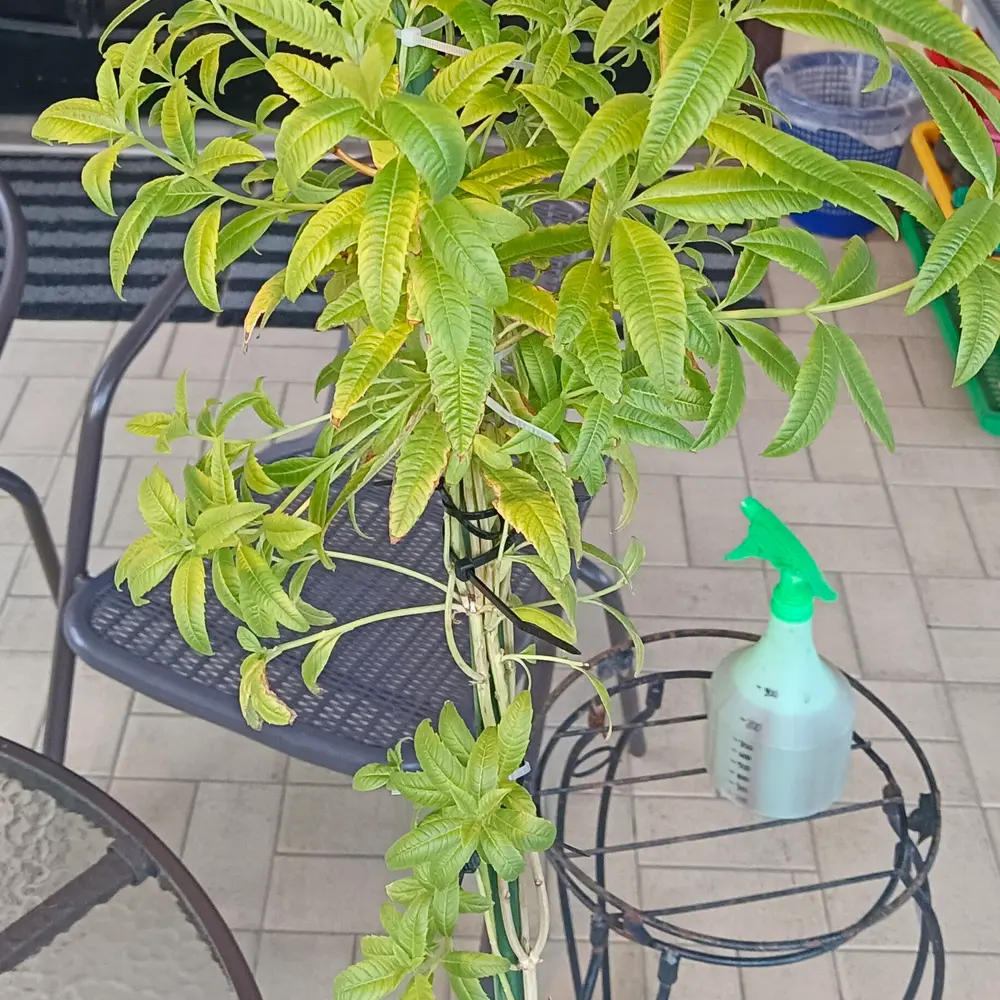
Overwatering is a common mistake that can lead to black spots on your sweet almond bush. Look for signs like yellowing leaves or soggy soil; these indicate it's time to adjust your watering schedule.
Aim to water deeply but infrequently, allowing the top inch of soil to dry out between sessions. This helps promote healthy root growth and prevents waterlogged conditions.
Nutrient Management 🌱
Fertilization plays a crucial role in keeping your plant healthy. Use a balanced fertilizer during the growing season, ideally in spring and early summer, to provide essential nutrients.
Consider conducting a soil test to identify any deficiencies. This will guide you in selecting the right fertilizer and ensure your sweet almond bush thrives.
Pruning and Maintenance ✂️
Regular pruning is essential for maintaining plant health. Remove any affected leaves promptly to prevent the spread of disease and improve air circulation.
Encouraging airflow around your bush can significantly reduce the risk of fungal infections. Trim back overcrowded branches and ensure your plant has enough space to breathe.
By implementing these preventive measures, you can create a healthier environment for your sweet almond bush. This proactive approach will not only enhance its resilience but also promote vibrant growth.
Next, let's explore how to monitor your plant's health effectively.
Monitoring Plant Health
Regular Inspections 🌿
Regular inspections are crucial for maintaining the health of your sweet almond bush. Aim to check your plants at least once a week, focusing on leaf condition and overall vigor.
Look for signs of recovery, such as new growth or the disappearance of black spots. Patience is key; healing takes time, so don’t rush the process.
Seasonal Considerations 🌍
Timing is everything when it comes to treatment. The best times for applying organic and chemical treatments are during the early morning or late afternoon, avoiding the hottest parts of the day.
Adjust your care based on the season. In warmer months, you may need to water more frequently, while cooler months might require less, so stay attuned to your plant's needs.
By keeping a close eye on your sweet almond bush and adjusting your care routine, you can foster a healthier, more resilient plant. This proactive approach will help you catch issues early and ensure your bush thrives throughout the seasons.
⚠️ Safety First
This content is for general information and may contain errors, omissions, or outdated details. It is not medical, veterinary advice, or an endorsement of therapeutic claims.
Always consult a qualified healthcare professional before using any plant as food, medicine, or supplement.
Never eat any plant (or feed one to pets) without confirming its identity with at least two trusted sources.
If you suspect poisoning, call Poison Control (800) 222-1222, the Pet Poison Helpline (800) 213-6680, or your local emergency service immediately.
Spotted an error? Please report it here.
Revitalize your sweet almond bush and bloom beautifully 🌿 with Greg's tailored care tips and reminders that keep your plant thriving through every challenge!