🐛 Ultimate Guide to What's Eating Your Japanese Garden Juniper
Juniperus procumbens
By the Greg Editorial Team
Oct 09, 2024•7 min read
This article was created with the help of AI so we can cover more plants for you. May contain errors. See one? Report it here.
Safeguard your Japanese garden juniper from herbivores while inviting beneficial wildlife for a vibrant ecosystem! 🌱
- 🦌 Deer, rabbits, and squirrels are common herbivores damaging Japanese garden junipers.
- 🚫 Effective deterrents include repellents, fencing, and companion planting to protect junipers.
- 🌱 Monitor for signs of herbivore activity to intervene early and prevent damage.
Description and Appeal
Appearance and Characteristics 🌿
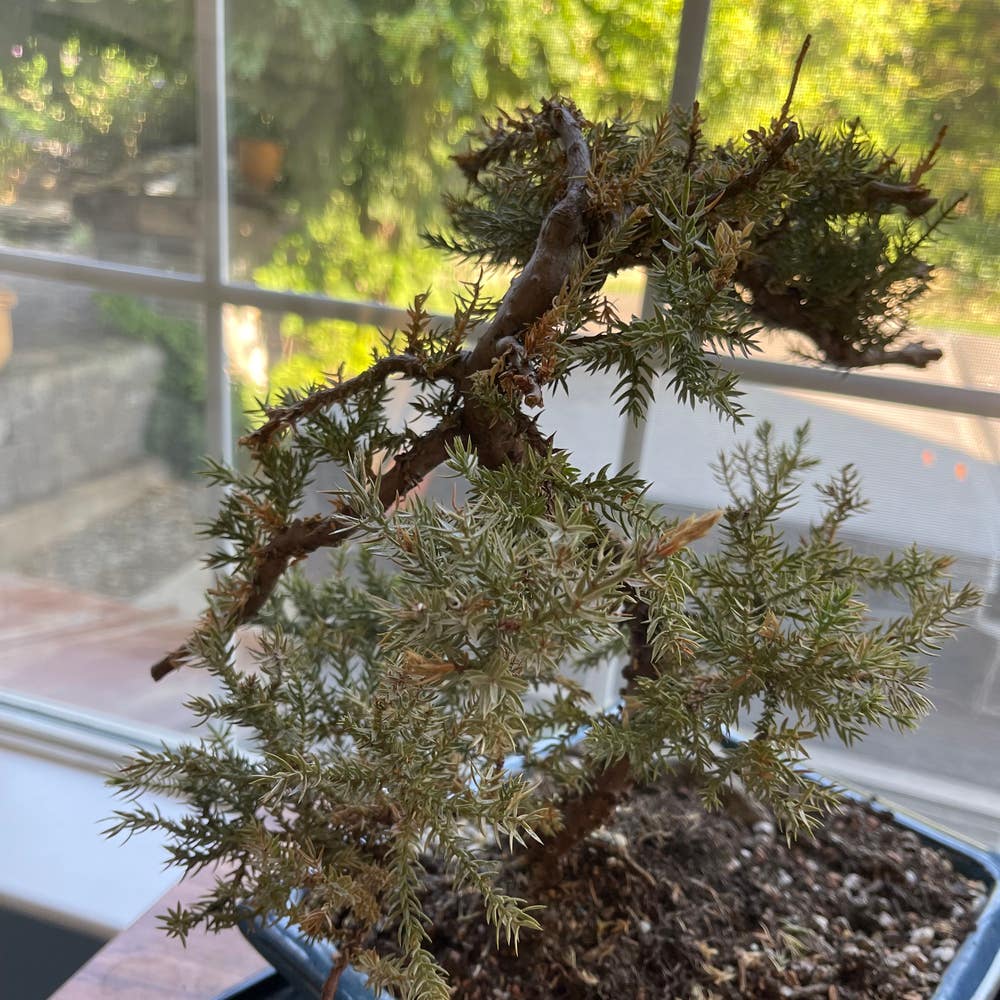
The Japanese garden juniper is a stunning low-growing shrub that spreads gracefully across the landscape. Its needle-like leaves, with their rich green color and unique texture, can attract herbivores looking for a tasty snack.
The plant also produces small, blue-green berry-like cones that not only enhance its visual appeal but also serve as a food source for birds and other wildlife. This combination of features makes the juniper a captivating addition to any garden.
Most Appealing Parts to Animals 🦌
Herbivores are particularly drawn to the young shoots of the juniper. These tender, nutritious parts are like a gourmet meal for them.
The berry-like cones are another favorite, providing sustenance for birds and small mammals alike. Additionally, the needle-like leaves may be palatable to various herbivores, making the juniper a tempting target in your garden.
In summary, while the Japanese garden juniper is visually appealing, its various parts also attract a range of wildlife, both beneficial and potentially harmful. Understanding these dynamics can help you protect your garden while appreciating its beauty.
As we delve deeper into the challenges posed by common herbivores, you'll learn how to safeguard your juniper while maintaining its allure.
Common Herbivores Affecting Japanese Garden Juniper
🦌 Deer
Signs of Presence and Damage
Deer are often the first culprits when it comes to damage to your Japanese garden juniper. Look for hoof prints in muddy areas and notice if leaves and young shoots have been stripped from the branches.
Impact on the Plant
Their browsing habits can be generally harmful, leading to significant plant damage and stunted growth. If left unchecked, deer can severely compromise the health of your juniper.
Deterrent Methods
To keep deer at bay, consider using commercial deer repellents. You can also plant deer-resistant species nearby or use human hair and soap shavings as organic deterrents.
🐇 Rabbits
Signs of Presence and Damage
Rabbits leave behind small, round droppings and gnaw marks on stems. You may also notice clean cuts on young shoots and leaves, indicating their feeding habits.
Impact on the Plant
These furry pests can be particularly damaging, especially to young plants. Their voracious appetites can lead to severe damage if not managed.
Deterrent Methods
Rabbit repellents are readily available at garden centers. For a more organic approach, consider fencing that is 2-3 feet high and planting rabbit-resistant plants.
🐿️ Squirrels
Signs of Presence and Damage
Squirrels can be sneaky, but you’ll spot their presence through chewed branches and cones. Look for signs of nests in nearby trees as well.
Impact on the Plant
Their feeding can be generally harmful, causing branch dieback and reduced vigor in your juniper. This can affect the overall health of your garden.
Deterrent Methods
Squirrel repellents can help keep these critters away. Installing squirrel-proof feeders can also divert their attention from your juniper.
🐦 Birds
Signs of Presence and Damage
Birds may not always be harmful, but you’ll notice pecking marks on cones and signs of nesting in or around the juniper.
Impact on the Plant
While they can aid in pollination and pest control, their feeding can lead to seed loss. This dual role makes them a bit of a mixed bag in your garden.
Deterrent Methods
Typically, no chemical deterrents are used for birds. However, netting can protect berry-like cones from being pecked.
🐭 Rodents (Mice, Voles, etc.)
Signs of Presence and Damage
Rodents leave behind gnaw marks on stems and roots, along with small burrows near the base of the plant. Their presence is often a sign of trouble.
Impact on the Plant
These pests can be generally harmful, leading to root damage and plant decline. Their activities can significantly affect the health of your juniper.
Deterrent Methods
Rodent repellents are available for use in your garden. Additionally, traps and maintaining a clean garden area can help reduce nesting sites.
🦡 Groundhogs/Woodchucks
Signs of Presence and Damage
Look for large burrows near the base of your juniper and signs of browsing, such as leaves and stems chewed off at ground level.
Impact on the Plant
Groundhogs can be particularly destructive, often decimating young plants. Their feeding habits can lead to significant losses in your garden.
Deterrent Methods
Commercial groundhog repellents can be effective. For a more organic solution, consider fencing that is 3-4 feet high and planting around the perimeter to deter them.
Understanding these common herbivores is crucial for maintaining the health of your Japanese garden juniper. By implementing effective deterrent methods, you can protect your plants while fostering a thriving garden ecosystem.
Beneficial Animals and Ecosystem Roles
🐝 Description of Beneficial Animals
Japanese garden junipers are not just a feast for herbivores; they also attract a host of beneficial animals. Pollinators like bees and butterflies flock to the juniper's flowers, playing a crucial role in the garden's health.
Predatory birds, such as hawks and owls, also find refuge in these shrubs. They help control pest populations, ensuring a balanced ecosystem.
🌿 Positive Impacts on the Garden Ecosystem
The presence of these beneficial animals enhances biodiversity in your garden. A diverse ecosystem supports various wildlife, creating a vibrant environment.
Moreover, these animals contribute to natural pest control. By reducing the need for chemical interventions, they promote a healthier garden overall.
Incorporating beneficial wildlife into your garden not only enriches the ecosystem but also fosters a sense of harmony. Understanding their roles can inspire you to create a more inviting space for both plants and animals.
As we explore the strategies for protecting your juniper, keep in mind the delicate balance between nurturing beneficial wildlife and managing potential threats.
General Strategies for Protection
🛡️ Preventive Measures
Fencing is one of the most effective ways to deter larger herbivores from munching on your Japanese garden juniper. Installing barriers that are at least 3-4 feet high can keep deer and groundhogs at bay.
Companion planting is another smart strategy. By surrounding your juniper with plants that naturally repel herbivores, you create a protective buffer that can help safeguard your prized greenery.
⚠️ Reactive Solutions
Regular monitoring is crucial for maintaining the health of your garden. Check for signs of animal presence, such as tracks or damaged foliage, to catch any issues early.
When you spot signs of herbivore activity, take immediate action. Implement deterrent methods right away to minimize damage and protect your plants.
🌱 Balancing Ecosystem Health
Understanding the role of herbivores in your garden is essential. While some interactions can be harmful, others may contribute positively to the ecosystem.
Promoting a healthy garden ecosystem means encouraging beneficial wildlife. By managing harmful interactions while supporting helpful species, you can create a thriving environment for both plants and animals.
This balanced approach not only protects your juniper but also enriches the overall biodiversity of your garden. Next, let’s explore seasonal considerations that can further enhance your protective strategies.
Seasonal Considerations
🐇 Seasonal Variations in Animal Attraction
As the seasons change, so does the activity of herbivores around your Japanese garden juniper. In spring, rabbits and deer become particularly active, driven by a scarcity of food sources.
By fall, the juniper's berry-like cones attract birds, providing them with a vital winter food supply. This seasonal shift highlights the importance of being vigilant about your garden's health.
⏰ Timing of Preventive Measures
To protect your juniper, timing is crucial. In early spring, it's wise to implement barriers before herbivores emerge in search of tender shoots.
As summer wanes, keep an eye out for signs of rodent activity. Late summer is the perfect time to monitor and act, ensuring your garden remains vibrant and healthy through the colder months.
Understanding these seasonal patterns helps you maintain a thriving garden ecosystem while minimizing damage from unwanted visitors.
Toxicity and Safety
🐾 Toxic Effects on Animals
Japanese garden juniper can pose potential toxicity risks to herbivores. Consuming large quantities may lead to gastrointestinal upset, causing discomfort and distress.
⚠️ Safety Considerations for Gardeners and Pets
It's crucial for gardeners to be aware of the risks associated with juniper consumption. Keeping pets away from areas with high juniper concentrations can prevent accidental ingestion and ensure their safety.
Understanding these safety measures helps maintain a healthy garden environment. By being proactive, you can enjoy your beautiful juniper while protecting both wildlife and pets.
As we explore further, let’s look at how to balance the ecosystem health in your garden.
⚠️ Safety First
This content is for general information and may contain errors, omissions, or outdated details. It is not medical, veterinary advice, or an endorsement of therapeutic claims.
Always consult a qualified healthcare professional before using any plant as food, medicine, or supplement.
Never eat any plant (or feed one to pets) without confirming its identity with at least two trusted sources.
If you suspect poisoning, call Poison Control (800) 222-1222, the Pet Poison Helpline (800) 213-6680, or your local emergency service immediately.
Spotted an error? Please report it here.
Keep your Japanese garden juniper thriving and protected 🛡️ with Greg's personalized care tips and reminders to fend off those pesky herbivores!