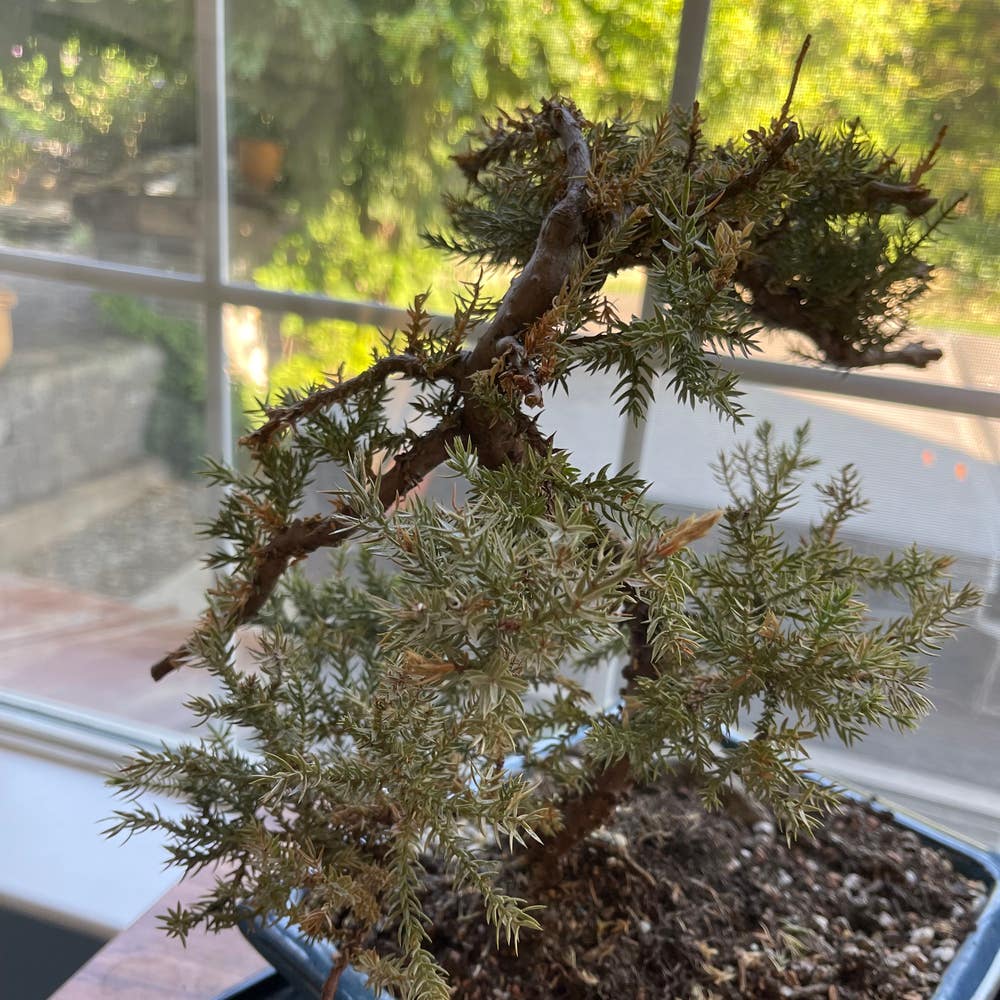
🌲 Green Mound Juniper: Not an Annual
Juniperus procumbens
By the Greg Editorial Team
Oct 17, 2024•4 min read
This article was created with the help of AI so we can cover more plants for you. May contain errors. See one? Report it here.
Elevate your garden with the resilient Green Mound Juniper 🌿, a perennial that thrives in any landscape! 🌱
- 🌱 Green Mound Juniper is a perennial, thriving for decades unlike annual plants.
- 🌿 This evergreen provides year-round beauty and effective ground cover for landscapes.
- 💧 Drought-resistant and low-maintenance, it suits various climates and soil types effortlessly.
Green Mound Juniper as a Perennial
🌱 Genetic Characteristics
Green Mound Juniper, scientifically known as Juniperus horizontalis, is a remarkable species. Its genetic makeup includes adaptations that enable long-term survival and growth in diverse environments.
This juniper is resilient, thriving in various climates and soil types. This adaptability makes it a favorite among gardeners looking for dependable greenery.
🌿 Physiological Traits Supporting Perennial Classification
One of the standout features of Green Mound Juniper is its evergreen nature. It retains its foliage year-round, adding consistent beauty to landscapes.
Its growth habit is low-growing, dense, and spreading, making it an ideal choice for ground cover. Additionally, it boasts adaptations for drought resistance and can withstand poor soil conditions.
🌳 Lifecycle and Growth Patterns
The lifespan of Green Mound Juniper can extend for several decades, setting it apart from annual plants. Its growth patterns are characterized by slow, steady development, with seasonal changes that keep it visually interesting.
This plant continuously renews its leaves, maintaining a lush appearance throughout the years. This ongoing growth contributes to its classification as a perennial.
🌼 Lifecycle Comparison with Annuals
When compared to annuals, Green Mound Juniper has a slower establishment rate. While annuals burst forth with rapid growth, this juniper takes its time to settle in.
Flowering is minimal; it primarily produces berry-like cones for reproduction. Unlike annuals that generate large quantities of seeds in one season, Green Mound Juniper produces seeds over several years, showcasing its perennial nature.
❓ Misconceptions and Exceptions
Sometimes, environmental stress or mismanagement can lead to misconceptions about this juniper being an annual. It’s crucial to recognize that regional variations, such as climate and soil conditions, can also affect its classification.
Understanding these factors can help gardeners appreciate the true nature of Green Mound Juniper. With the right care, this plant can thrive and flourish, proving its worth as a perennial staple in any garden.
As we transition to garden design implications, let’s explore how this resilient plant can enhance your landscape.
Garden Design Implications
🌿 Advantages in Garden Design
Green Mound Juniper is a fantastic choice for any garden, offering year-round greenery and texture. Its evergreen nature ensures that your landscape remains vibrant, even in the colder months.
This hardy plant serves multiple functional benefits. As a ground cover, it effectively prevents soil erosion and suppresses weed growth, making it a practical addition to any garden.
Moreover, its drought resistance makes it ideal for low-maintenance landscapes. You can enjoy a lush garden without the constant worry of watering.
🌱 Planning for Perennial Growth
When incorporating Green Mound Juniper into your garden, consider its role in perennial beds. Its low-growing, spreading habit complements taller plants beautifully, creating a layered effect.
Companion planting is another strategy to enhance your garden's diversity. Pairing Green Mound Juniper with other perennials can create a visually appealing and ecologically balanced environment.
Long-term planning is essential for maximizing the benefits of this perennial. Understanding its growth patterns will help you design a garden that thrives for years to come.
By thoughtfully integrating Green Mound Juniper into your landscape, you can create a stunning, sustainable garden that stands the test of time. This sets the stage for effective management tips to ensure its longevity.
Management Tips for Longevity
Best Practices for Maintenance 🌱
To ensure your Green Mound Juniper thrives, start with the right soil. It prefers well-drained soil, which is crucial for preventing root rot.
Establishing a watering schedule is essential. While this plant is drought-resistant, it benefits from occasional watering during dry spells.
Pruning Techniques ✂️
Light pruning is key to maintaining the shape of your juniper. This not only promotes healthy growth but also enhances its overall appearance.
Tips for Maximizing Lifespan 🌿
Mulching is a fantastic way to retain moisture. Organic mulch also helps regulate soil temperature, creating a stable environment for growth.
When it comes to fertilization, less is more. Apply balanced fertilizers sparingly to avoid over-fertilization, which can harm your plant.
Monitoring Health 👀
Regular inspections are vital for spotting pests and diseases early. Keeping an eye on your juniper ensures it remains healthy and vibrant for years to come.
By following these management tips, you can enjoy the beauty and resilience of your Green Mound Juniper. Next, let’s explore how to incorporate this hardy plant into your garden design for maximum impact.
⚠️ Safety First
This content is for general information and may contain errors, omissions, or outdated details. It is not medical, veterinary advice, or an endorsement of therapeutic claims.
Always consult a qualified healthcare professional before using any plant as food, medicine, or supplement.
Never eat any plant (or feed one to pets) without confirming its identity with at least two trusted sources.
If you suspect poisoning, call Poison Control (800) 222-1222, the Pet Poison Helpline (800) 213-6680, or your local emergency service immediately.
Spotted an error? Please report it here.
Transform your garden with the evergreen beauty of Green Mound Juniper 🌱, and let Greg provide personalized care tips and watering reminders to ensure it thrives for decades!