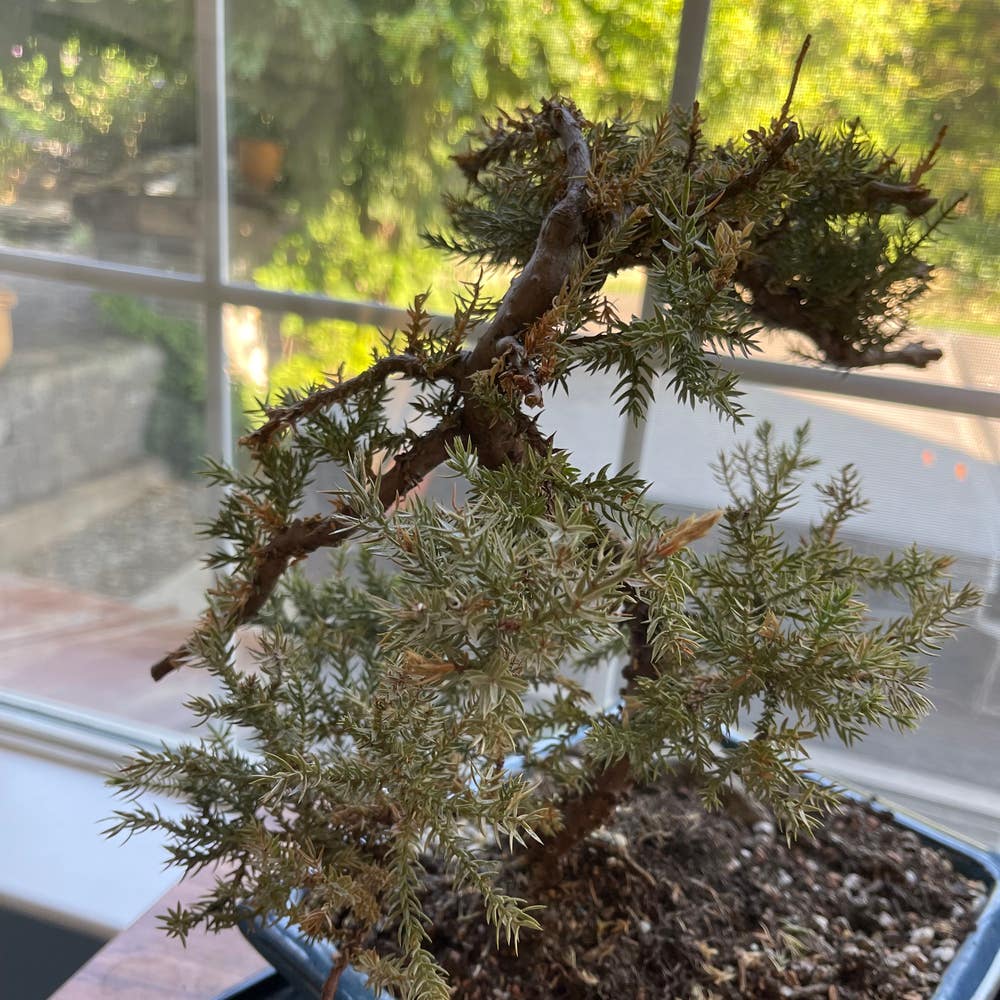
🌳 Why Green Mound Juniper Is A Perennial Plant
Juniperus procumbens
By the Greg Editorial Team
Oct 17, 2024•4 min read
This article was created with the help of AI so we can cover more plants for you. May contain errors. See one? Report it here.
Unlock year-round beauty and resilience in your garden with Green Mound Juniper! 🌱
- 🌱 Green Mound Juniper thrives year after year with a robust root system.
- 🌳 This evergreen plant offers excellent ground cover, growing 1-2 feet tall and 3-6 feet wide.
- 🌍 Adaptable to various soils and climates, it simplifies garden maintenance for 20+ years.
Characteristics of Green Mound Juniper as a Perennial
Multi-Year Lifecycle 🌱
Green Mound Juniper is a true perennial, thriving year after year. Its remarkable ability to regenerate from established root systems ensures it continues to flourish, making it a reliable choice for any garden.
Growth Patterns 📏
This plant exhibits a low-growing, spreading habit, typically reaching heights of just 1-2 feet while spreading 3-6 feet wide. Its evergreen nature means it retains its lush foliage throughout the year, solidifying its status as a perennial.
Soil Tolerance 🌍
One of the standout features of Green Mound Juniper is its adaptability to various soil types. Whether in rocky, sandy, or poor soils, this resilient plant thrives, enhancing its longevity and making it a versatile addition to diverse landscapes.
In summary, the characteristics of Green Mound Juniper not only highlight its perennial nature but also its suitability for a range of gardening conditions. Next, we’ll explore how seasonal changes and dormancy affect this hardy plant.
Seasonal Changes and Dormancy
🌱 Dormancy Periods
Green Mound Juniper experiences dormancy during the colder months, where its metabolic activity significantly slows down. This typically occurs from late fall through early spring, allowing the plant to conserve energy and resources.
🌼 Seasonal Effects on Growth
As spring arrives, new foliage emerges, marking the end of dormancy and a fresh start for the plant. During summer, it showcases remarkable resilience, maintaining vigor even in hot, dry conditions.
🍂 Fall Color Changes
In the fall, you might notice subtle shifts in foliage color, preparing the plant for winter. These seasonal changes not only enhance its beauty but also signal the natural cycle of growth and rest.
Understanding these seasonal dynamics can help you appreciate the Green Mound Juniper's adaptability and resilience. With this knowledge, you're better equipped to care for your plants and maximize their potential in your garden.
Next, we will explore the advantages of Green Mound Juniper for gardeners, highlighting its perennial nature and long-term benefits.
Advantages for Gardeners
Benefits of Perennial Nature 🌱
Green Mound Juniper is a gardener's dream due to its perennial nature. Once established, it eliminates the hassle of annual replanting, allowing you to enjoy a lush landscape year after year.
Its robust root systems enhance drought resistance and soil stability. This means less worry about watering during dry spells, making it a reliable choice for busy gardeners.
Lifespan and Longevity Factors ⏳
Typically, Green Mound Juniper can thrive for 20 years or more when given optimal conditions. This longevity is a significant advantage for those looking to create a lasting garden.
Several factors influence its lifespan, including soil quality, climate, pest resistance, and care practices. By paying attention to these elements, you can ensure your juniper remains healthy and vibrant for years to come.
Incorporating Green Mound Juniper into your garden not only simplifies maintenance but also adds a touch of evergreen beauty. As we explore the next section, we'll look at how climate variations can affect its growth and behavior.
Climate Zone Variations
🌍 Perennial Behavior Across Climates
Green Mound Juniper is remarkably adaptable, thriving in USDA hardiness zones 3-9. This wide range allows it to flourish in various climates, showcasing its resilience.
However, growth patterns and dormancy can vary significantly based on local conditions. For instance, in milder climates, the plant may experience longer growing seasons, while in colder zones, it may enter dormancy earlier.
🌧️ Influence of Growing Conditions
Soil moisture levels play a crucial role in the health of Green Mound Juniper. Adequate moisture supports robust growth, while overly dry conditions can stress the plant.
Temperature extremes also affect its dormancy and regrowth. In regions with harsh winters, the plant may take longer to awaken in spring, while in warmer areas, it can bounce back quickly, ready to thrive.
Understanding these climate variations helps gardeners make informed decisions about planting and care. By considering local conditions, you can maximize the benefits of this hardy perennial in your landscape.
Maximizing Benefits in Garden Planning
🌱 Tips for Utilizing Perennial Nature
Green Mound Juniper is a fantastic choice for strategic placement in your garden. Use it as ground cover or for erosion control in areas prone to runoff.
Companion planting can also enhance your landscape. Pair Green Mound Juniper with other drought-tolerant plants to create a visually appealing and resilient garden.
📅 Long-Term Cultivation Strategies
Regular monitoring is key to ensuring the health of your Green Mound Juniper. Keep an eye on its growth patterns to catch any issues early.
Adjust your care based on seasonal changes. Tailor your watering and maintenance routines to align with its dormancy periods and growth cycles for optimal results.
By implementing these strategies, you can enjoy the enduring beauty and benefits of Green Mound Juniper in your garden for years to come.
⚠️ Safety First
This content is for general information and may contain errors, omissions, or outdated details. It is not medical, veterinary advice, or an endorsement of therapeutic claims.
Always consult a qualified healthcare professional before using any plant as food, medicine, or supplement.
Never eat any plant (or feed one to pets) without confirming its identity with at least two trusted sources.
If you suspect poisoning, call Poison Control (800) 222-1222, the Pet Poison Helpline (800) 213-6680, or your local emergency service immediately.
Spotted an error? Please report it here.
Celebrate the evergreen resilience of Green Mound Juniper 🌿 by using Greg's personalized care reminders to keep your garden thriving effortlessly!