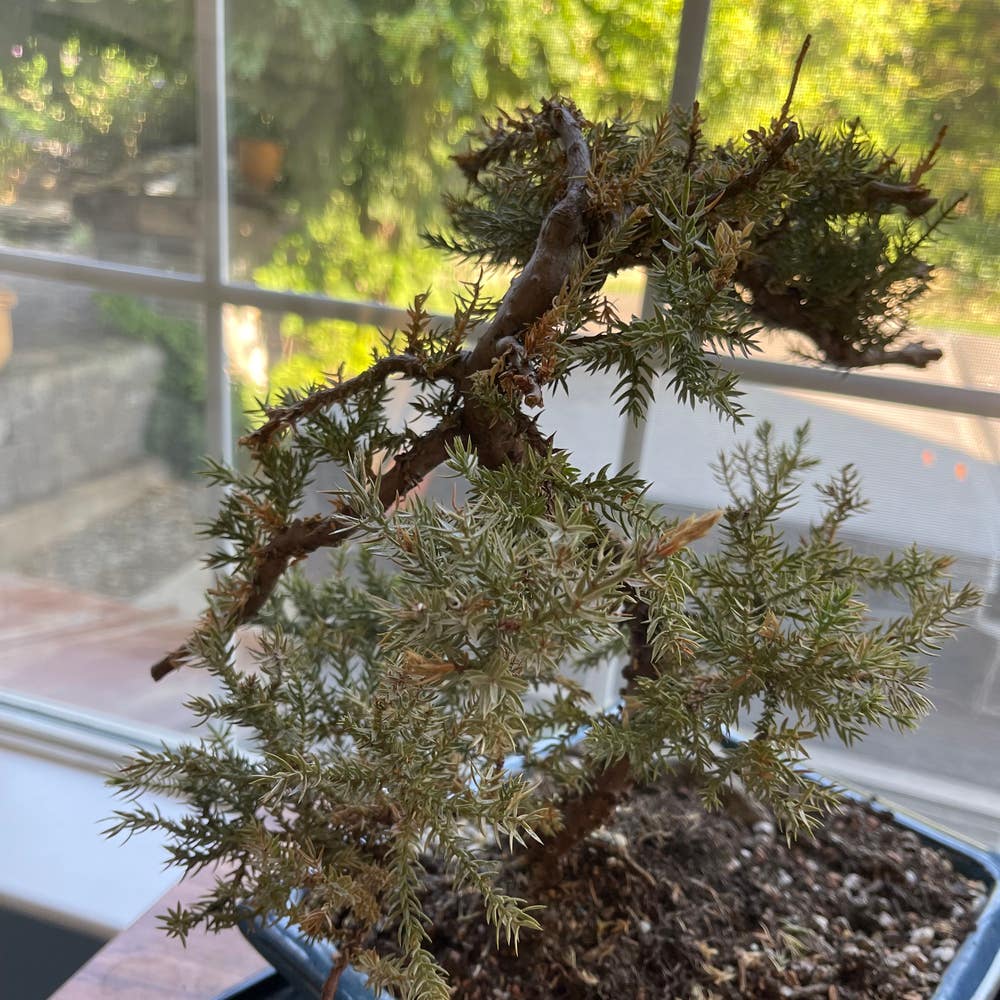
🌳 All About Japanese Juniper Bonsai: Essential Facts
Juniperus procumbens
By the Greg Editorial Team
Jan 23, 2025•13 min read
This article was created with the help of AI so we can cover more plants for you. May contain errors. See one? Report it here.
Cultivate a stunning Japanese Juniper bonsai 🌳 that brings beauty and resilience to your home garden! ✨
- 🌞 Japanese Juniper needs 6-8 hours of sunlight daily for optimal growth.
- 🌱 Well-draining soil with pH 6.0-7.0 is crucial for healthy roots.
- 💧 Water when the top inch is dry to prevent root rot.
How to Grow
Choosing a Location 🌞
For Japanese Juniper bonsai, full sun exposure is crucial. Aim for at least 6-8 hours of sunlight daily to ensure healthy growth.
When deciding between outdoor and indoor placement, consider temperature tolerance and light availability. Outdoor conditions typically provide the best light, while indoor settings may require supplemental lighting.
Soil Preparation 🌱
A well-draining bonsai soil mix is essential for healthy roots. This type of soil prevents waterlogging, which can lead to root rot.
The ideal soil pH for Japanese Juniper is slightly acidic to neutral, ranging from 6.0 to 7.0. Testing your soil can help maintain these optimal conditions.
Planting Techniques 🌿
When planting in a container, choose a pot that allows for adequate root growth. The material should also promote drainage, such as ceramic or plastic.
For outdoor planting, select a site with good air circulation and ample sunlight. Ensure proper spacing between plants to allow for growth and airflow.
Watering Requirements 💧
Water your bonsai when the top inch of soil feels dry to the touch. This practice helps maintain the right moisture level without over-saturating the roots.
Be mindful of the signs of overwatering, such as yellowing leaves or a mushy root system, versus underwatering, which can cause browning and wilting.
Fertilizing Schedule 🌼
Use a balanced NPK fertilizer to provide essential nutrients. This type of fertilizer supports healthy growth and vibrant foliage.
Fertilize monthly during the growing season to keep your bonsai thriving. Adjust the frequency based on the plant's specific needs and growth rate.
Pruning Methods ✂️
Pruning is vital for shaping and maintaining the size of your bonsai. Techniques like pinching back new growth can encourage bushiness.
Timing is key; seasonal pruning should be done in late winter or early spring. This allows the plant to recover and flourish during the growing season.
Ongoing Care 🛠️
For container care, regularly monitor moisture levels and root health. This ensures your bonsai remains hydrated without becoming rootbound.
Outdoor care requires seasonal adjustments, such as providing shade during extreme heat or protection from frost. Keeping an eye on environmental changes helps your bonsai thrive year-round.
With these foundational steps, you're well on your way to nurturing a beautiful Japanese Juniper bonsai. Next, let’s explore the fascinating world of propagation techniques to expand your bonsai collection.
Propagation
🪴 Methods
Cuttings
Taking cuttings from your Japanese Juniper Bonsai is a rewarding way to propagate new plants. Aim for healthy, semi-hardwood stems, ideally around 4-6 inches long, and remove the lower leaves to encourage rooting.
To root the cuttings, dip the cut end in rooting hormone and plant them in a well-draining bonsai soil mix. Keep the soil moist and provide indirect light until roots develop, which usually takes a few weeks.
Layering
Air layering is another effective propagation method. Start by selecting a healthy branch and making a small upward cut about one-third through the branch.
Wrap the cut area with moist sphagnum moss and cover it with plastic wrap to retain moisture. After a few months, roots will form, and you can cut the branch below the roots to pot it separately.
Seeds
Growing Japanese Juniper from seeds is more challenging but can be very fulfilling. Begin by soaking the seeds in water for 24 hours to soften the hard outer shell.
Next, plant the seeds in a well-draining soil mix and keep them in a warm, sunny location. Germination can take several weeks, so be patient and maintain consistent moisture during this period.
📚 Summary
Propagation of Japanese Juniper Bonsai can be done through cuttings, layering, or seeds, each with its own level of difficulty. Choose the method that best suits your gardening style and enjoy the journey of growing your bonsai collection!
As you explore propagation, you'll gain a deeper connection to your plants, setting the stage for ongoing care and nurturing.
Lifecycle
Stages 🌱
Germination
Successful seed sprouting requires specific conditions. Aim for a warm, moist environment with good air circulation to encourage germination.
Seedling Stage
Young plants need careful attention. Provide adequate light, water, and nutrients to support their growth during this critical phase.
Vegetative Growth
This stage sees the development of foliage and structure. Healthy growth during this period sets the foundation for a robust bonsai.
Growth Timeframe ⏳
Time Until Fully Grown
Japanese juniper bonsai typically take 5-10 years to reach significant size. Patience is key, as these trees require time to mature.
Growth Rate
Expect a moderate growth rate of about 6-12 inches per year. Consistent care will help maximize this growth potential.
Lifespan 🌳
Average Lifespan
With proper care, Japanese junipers can live between 30 to 100 years. This longevity makes them a rewarding investment for any bonsai enthusiast.
As you nurture your bonsai through its lifecycle, remember that each stage is an opportunity for learning and connection with nature. Next, we will explore the fascinating methods of propagating your Japanese juniper bonsai.
Size
Mature Dimensions 🌳
Japanese Juniper bonsai typically reaches a mature height of 1 to 3 feet, with a spread of 2 to 4 feet. This moderate growth allows for a striking presence in any garden or indoor space.
Growth Rate 📈
The growth rate of these bonsai is moderate, generally ranging from 6 to 12 inches per year. Factors such as care and environmental conditions play a significant role in determining how quickly your bonsai will flourish.
Size Variability 📏
Several factors can influence the size of your Japanese Juniper bonsai.
- Sunlight: Adequate sunlight is crucial; too little can stunt growth.
- Soil Quality: Well-draining soil promotes healthy root development, impacting overall size.
- Watering Practices: Consistent and appropriate watering ensures your bonsai thrives.
Understanding these elements can help you achieve the desired size and shape for your bonsai.
As you cultivate your Japanese Juniper, keep in mind that its size is not just a reflection of care but also a testament to your gardening journey.
Next, let’s explore the roots of this beautiful plant and how to maintain their health.
Roots
Characteristics 🌱
Japanese Juniper bonsai features a fibrous root system that is essential for its health and stability. This type of root structure is shallow yet extensive, allowing the plant to absorb nutrients efficiently while requiring regular monitoring.
Common Issues ⚠️
One of the most significant threats to your bonsai's roots is root rot. Signs include a foul smell and blackened roots, which can be prevented by ensuring proper drainage and avoiding overwatering.
Healthy roots are typically firm and white, while unhealthy roots may appear mushy and dark. Regularly inspecting your bonsai's roots can help you catch issues early.
Another common concern is rootbound conditions, where the roots grow too densely within the pot. Symptoms include stunted growth and roots emerging from drainage holes. To resolve this, consider repotting your bonsai into a larger container.
Understanding these root characteristics and issues is crucial for maintaining a thriving Japanese Juniper bonsai. With proper care, your bonsai can flourish and become a beautiful centerpiece in your garden or home.
Next, we will explore the benefits of growing Japanese Juniper bonsai, highlighting its aesthetic and therapeutic advantages.
Benefits
Top 5 Benefits 🌟
Japanese Juniper bonsai offers a multitude of benefits that go beyond mere aesthetics. Here are the top five reasons to consider adding this beautiful plant to your collection.
Aesthetic Appeal
The unique shapes and textures of Japanese Juniper bonsai can transform any garden into a stunning visual masterpiece. Their intricate forms add depth and character, making them a focal point in outdoor spaces.
Symbolism
In Japanese culture, bonsai represents endurance and resilience. Cultivating a Juniper bonsai can serve as a reminder of these values, enriching your gardening experience with deeper meaning.
Stress Relief
Engaging in bonsai gardening is a therapeutic activity that promotes relaxation. The act of nurturing a plant can reduce stress and provide a sense of accomplishment.
Air Purification
Beyond their beauty, Japanese Juniper bonsai contribute to improved air quality. They help filter pollutants, making your environment healthier and more enjoyable.
Educational Value
Growing a bonsai teaches patience and horticultural skills. As you care for your Juniper, you’ll learn valuable lessons about growth, resilience, and the rewards of dedication.
These benefits make Japanese Juniper bonsai not just plants, but companions that enhance your life in various ways. As you explore the joys of bonsai gardening, you'll find that each aspect contributes to a fulfilling experience.
Next, let’s delve into the fascinating world of companion plants that thrive alongside your Juniper bonsai.
Companion Plants
Best Companions 🌼
When selecting companion plants for your Japanese Juniper Bonsai, consider those with similar care needs. Dwarf conifers and certain flowering plants, like azaleas, thrive alongside junipers, creating a harmonious garden aesthetic.
These companions not only share light and water requirements but also enhance visual appeal with their complementary colors and textures. The combination can elevate your bonsai display, making it a focal point in your garden.
Plants to Avoid 🚫
It's equally important to know which plants to steer clear of. Avoid companions that have conflicting water or light requirements, as they can stress your juniper.
Plants like ferns or heavy feeders may compete for nutrients and moisture, leading to an unhealthy bonsai. Keeping your juniper happy means choosing the right companions wisely.
With the right plant pairings, you can create a thriving ecosystem that benefits your bonsai while adding beauty to your space. Next, let’s explore the potential toxicity of Japanese Juniper to humans and pets.
Toxicity to Humans
Safety 🛡️
Japanese Juniper bonsai is generally safe for humans. It is not listed as toxic by major poison control centers, making it a great choice for indoor and outdoor gardening.
Potential Minor Issues ⚠️
While serious toxicity is not a concern, mild skin irritation can occur from contact with the plant. Additionally, ingesting large quantities may lead to digestive discomfort, so it's wise to handle it with care.
Best Practices 📋
Always exercise caution with any plant. If you experience unusual symptoms after contact or ingestion, seeking medical advice is the best course of action.
This knowledge allows you to enjoy your bonsai without unnecessary worry, paving the way for a fulfilling gardening experience. Next, let’s explore how Japanese Juniper bonsai can affect your furry friends.
Toxicity to Dogs
⚠️ Potential Irritation
Japanese Juniper bonsai can pose some risks to dogs, primarily due to its leaves and sap. If your furry friend decides to nibble on these parts, you might notice symptoms like drooling, pawing at the mouth, or mild vomiting.
🩺 When to Seek Help
While these symptoms can be concerning, they are often self-limiting. However, if your dog's condition persists or worsens, it's wise to consult your veterinarian for guidance and peace of mind.
Understanding the potential irritants in your bonsai can help you create a safer environment for your pets. Keeping an eye on their behavior around plants is always a good practice.
As you care for your Japanese Juniper bonsai, remember to consider your pets' safety as well. This awareness will ensure a harmonious coexistence in your home.
Toxicity to Cats
⚠️ Potential Irritation
Japanese Juniper bonsai can pose some risks to our feline friends. The leaves and sap of this plant may cause irritation if ingested.
👀 Symptoms to Watch For
If your cat has nibbled on a juniper, keep an eye out for drooling, pawing at the mouth, or mild vomiting. These symptoms are usually mild and self-limiting.
🆘 When to Seek Help
If your cat's symptoms persist or worsen, it's best to consult your veterinarian. They can provide guidance and ensure your furry companion receives the appropriate care.
By being mindful of your cat's interactions with your bonsai, you can enjoy the beauty of your Japanese Juniper while keeping your pet safe.
Problems
Common Issues 🌱
Caring for Japanese Juniper Bonsai can be rewarding, but it comes with its share of challenges. Understanding these common issues can help you maintain a healthy plant.
Incorrect Watering 🚰
Watering is crucial for your bonsai's health. Signs of overwatering include yellowing leaves and a mushy root system, while underwatering often leads to dry, crispy foliage.
Incorrect Light Conditions ☀️
Light is another vital factor. If your juniper is not getting enough sunlight, you might notice leggy growth or sparse foliage, indicating it needs more light exposure.
Diseases 🦠
Fungal diseases can plague your bonsai. Powdery mildew appears as a white, powdery coating on leaves, while root rot manifests as a foul smell and blackened roots, both requiring immediate attention.
Leaf Issues 🍃
Leaf problems can signal underlying issues. Scorched leaves often result from too much direct sunlight, while yellowing leaves may indicate nutrient deficiencies or improper watering.
Growth Problems 📈
Growth issues can be frustrating. Etiolated growth, characterized by long, spindly branches, suggests your bonsai is stretching for light, while a lack of vigor can stem from poor soil conditions or inadequate care.
By recognizing these common problems early, you can take proactive steps to ensure your Japanese Juniper Bonsai thrives. Next, let’s explore pest issues that could also affect your plant’s health.
Bugs
🐛 Pest Issues
Japanese Juniper bonsai are generally resilient plants, but they can fall prey to certain pests. Understanding these common invaders is crucial for maintaining the health of your bonsai.
🦠 Common Pests
Spider Mites: These tiny pests thrive in dry conditions and can cause significant damage by sucking the sap from leaves. Look for fine webbing and stippling on foliage as signs of an infestation.
Scale Insects: These pests appear as small, brownish bumps on stems and leaves. They can weaken your plant by feeding on its sap, leading to yellowing leaves and stunted growth.
Mealybugs: Recognizable by their white, cottony appearance, mealybugs also feed on sap and can lead to a sticky residue on your bonsai. This residue can attract other pests and promote fungal growth.
🩺 Identification and Treatment Options
Spider Mites: Increase humidity around your bonsai and regularly mist the leaves. If the infestation is severe, consider using insecticidal soap or neem oil.
Scale Insects: Manually remove them with a soft brush or cloth. For larger infestations, apply horticultural oil to suffocate the pests.
Mealybugs: Wipe them off with a cotton swab dipped in alcohol. For persistent issues, insecticidal soap can help eliminate them.
By staying vigilant and addressing pest problems promptly, you can ensure your Japanese Juniper bonsai remains healthy and vibrant. Next, let’s explore the common animals that might be interested in snacking on your bonsai.
What Eats
Common Animals 🦌
Japanese Juniper Bonsai can attract a variety of wildlife.
Deer are particularly fond of these plants, often leaving behind noticeable signs of browsing, such as stripped branches and ragged edges on leaves.
Rabbits can also be a nuisance, nibbling on tender shoots and leaving behind clean-cut stems. To identify rabbit damage, look for small, rounded droppings near the plant.
Squirrels and rodents may not directly eat the bonsai, but they can cause damage while foraging for seeds or digging in the soil. Signs of their presence include chewed bark and disturbed soil.
Deterrent Methods 🚫
Protecting your bonsai from these hungry critters is essential.
Chemical deterrents can be effective, but always follow the instructions carefully to avoid harming the plant.
Organic options include using natural repellents like garlic or hot pepper sprays, which can deter animals without introducing harmful chemicals.
Additionally, consider physical barriers such as fencing or netting to keep larger animals at bay.
With these strategies, you can enjoy your Japanese Juniper Bonsai without the worry of unwanted visitors.
⚠️ Safety First
This content is for general information and may contain errors, omissions, or outdated details. It is not medical, veterinary advice, or an endorsement of therapeutic claims.
Always consult a qualified healthcare professional before using any plant as food, medicine, or supplement.
Never eat any plant (or feed one to pets) without confirming its identity with at least two trusted sources.
If you suspect poisoning, call Poison Control (800) 222-1222, the Pet Poison Helpline (800) 213-6680, or your local emergency service immediately.
Spotted an error? Please report it here.
Nurture your Japanese Juniper bonsai to thrive beautifully 🌱 with Greg's tailored watering alerts and expert care tips that will keep it flourishing for years to come!