☀️ Ultimate Guide to Direct Sunlight for Green Mound Juniper
Juniperus procumbens
By the Greg Editorial Team
Oct 17, 2024•4 min read
This article was created with the help of AI so we can cover more plants for you. May contain errors. See one? Report it here.
Unlock vibrant growth for your Green Mound Juniper by mastering its sunlight needs! 🌞
- ☀️ Green Mound Juniper needs 6-8 hours of direct sunlight for optimal growth.
- 🌱 Too much sun can cause leaf scorch; monitor for wilting and discoloration.
- 🏡 Best indoor placement is near south-facing windows to maximize sunlight exposure.
Sunlight Requirements
🌞 Sunlight Needs
Green Mound Juniper thrives in full sun, requiring 6 to 8 hours of direct sunlight daily. When given adequate sunlight, it showcases a dense and lush appearance that enhances its overall beauty.
☀️ Tolerance Levels
This plant exhibits a high tolerance for full sun exposure, making it an excellent choice for sunny gardens. Once established, it also demonstrates impressive drought tolerance, able to withstand dry conditions while basking in sufficient sunlight.
🔆 Effects of Excess Sunlight
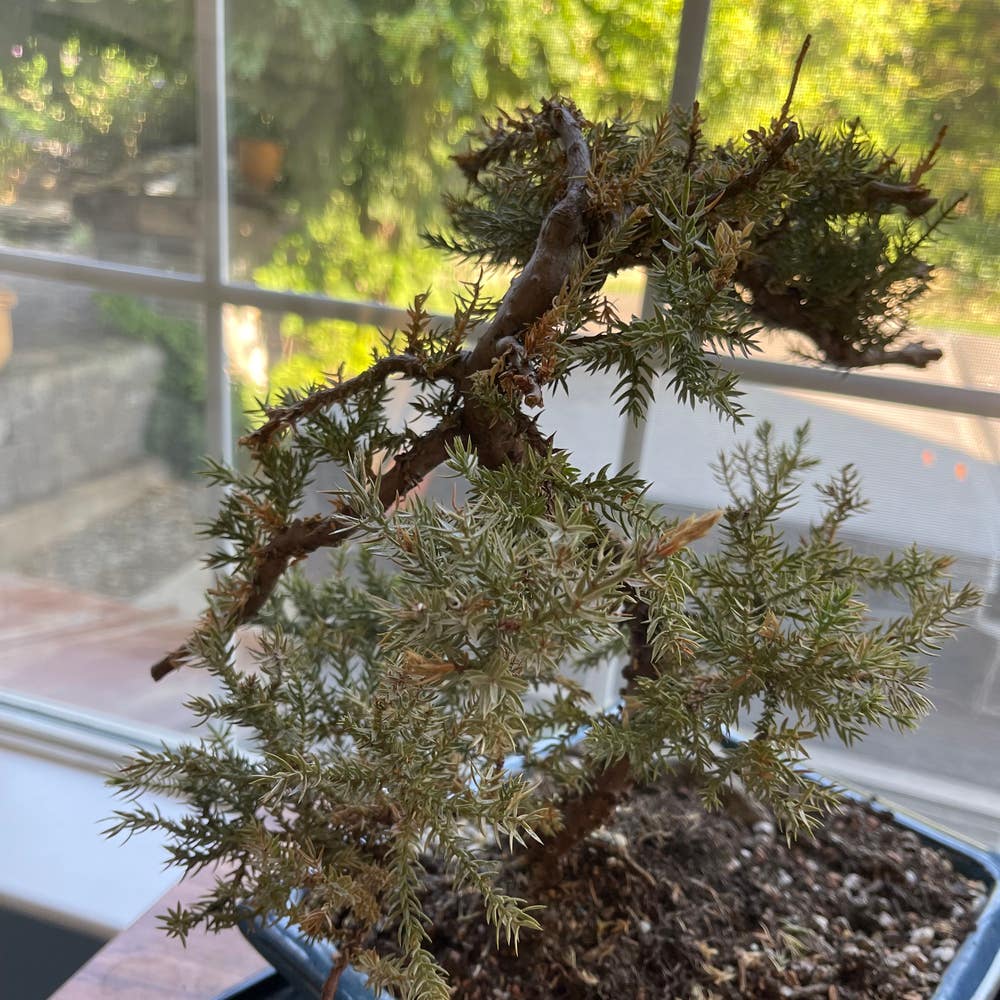
However, too much sunlight can lead to potential damage. Leaf scorch or browning tips may occur from extreme heat or prolonged exposure, signaling that your plant is stressed.
🚨 Signs of Stress
Watch for signs of stress, such as wilting or discoloration of foliage. These indicators can help you adjust care to ensure your Green Mound Juniper remains healthy and vibrant.
Understanding these sunlight requirements is crucial for the well-being of your plant. Next, we’ll explore how environmental factors can influence its growth and placement.
Environmental Factors
🌞 Window Direction
When it comes to sunlight, the direction of your windows plays a crucial role. South-facing windows are your best bet, as they soak up the most direct sunlight throughout the day, providing the ideal conditions for your Green Mound Juniper.
In contrast, north-facing windows typically offer only indirect sunlight. This makes them less suitable for your juniper, which craves those sunny rays to thrive.
🌍 Hemisphere Impact
Understanding your hemisphere can significantly influence your plant's growth. In the Northern Hemisphere, longer days in summer mean more sunlight, while shorter days in winter can slow growth cycles.
Conversely, the Southern Hemisphere experiences the opposite seasonal effects. Knowing these differences helps you make informed decisions about where to place your Green Mound Juniper.
🍂 Seasonal Variations
Seasonal changes can dramatically affect your plant's health. During summer, the sunlight is intense, so keep an eye out for any signs of stress, like wilting or discoloration.
As winter rolls in, sunlight diminishes. You may need to adjust your plant's indoor placement to ensure it still receives adequate light, keeping it healthy and vibrant.
Practical Tips for Plant Parents
Assessing Sunlight Conditions 🌞
To ensure your Green Mound Juniper thrives, start by observing its location. Check for direct sunlight exposure throughout the day to gauge how much light your plant receives.
If you have a sunlight meter, use it to measure light intensity. This tool can provide valuable insights into whether your juniper is getting enough sun.
Don’t forget to note seasonal changes. Adjusting your plant's placement as the seasons shift can make a significant difference in its health.
Signs of Sunlight Issues 🚨
Recognizing sunlight issues early can save your plant from stress. If you notice leaf scorch, browning tips, or wilting, your juniper may be getting too much sunlight.
On the flip side, sparse growth, a leggy appearance, or pale foliage indicates insufficient sunlight. Keeping an eye on these signs will help you maintain a vibrant plant.
Adjusting Placement 📍
When it comes to outdoor placement, choose a sunny spot with well-drained soil. This will provide the ideal conditions for your Green Mound Juniper to flourish.
For indoor settings, position your plant near south-facing windows. This location typically offers the optimal light your juniper craves.
By following these practical tips, you can create a thriving environment for your Green Mound Juniper. Next, let’s explore some common misconceptions about its sunlight needs.
Common Misconceptions
🌞 Myths About Sunlight Needs
One common myth is that Green Mound Juniper can thrive in complete shade. In reality, this hardy plant requires full sun for optimal growth and health.
🌻 Sun-Loving vs. Shade-Tolerant Plants
Sun-loving plants, like Green Mound Juniper, need direct sunlight to flourish. In contrast, shade-tolerant plants can survive in low light but often lack the vibrant growth seen in sun-loving varieties, such as ferns.
Understanding these distinctions is crucial for successful gardening. By recognizing the specific light requirements of your plants, you can create a thriving environment that maximizes their potential.
Next, let’s explore practical tips for ensuring your Green Mound Juniper receives the right amount of sunlight.
⚠️ Safety First
This content is for general information and may contain errors, omissions, or outdated details. It is not medical, veterinary advice, or an endorsement of therapeutic claims.
Always consult a qualified healthcare professional before using any plant as food, medicine, or supplement.
Never eat any plant (or feed one to pets) without confirming its identity with at least two trusted sources.
If you suspect poisoning, call Poison Control (800) 222-1222, the Pet Poison Helpline (800) 213-6680, or your local emergency service immediately.
Spotted an error? Please report it here.
Help your Green Mound Juniper thrive in the sun ☀️ by using Greg's tailored sunlight tips and reminders to ensure it gets the perfect amount of light for vibrant growth!