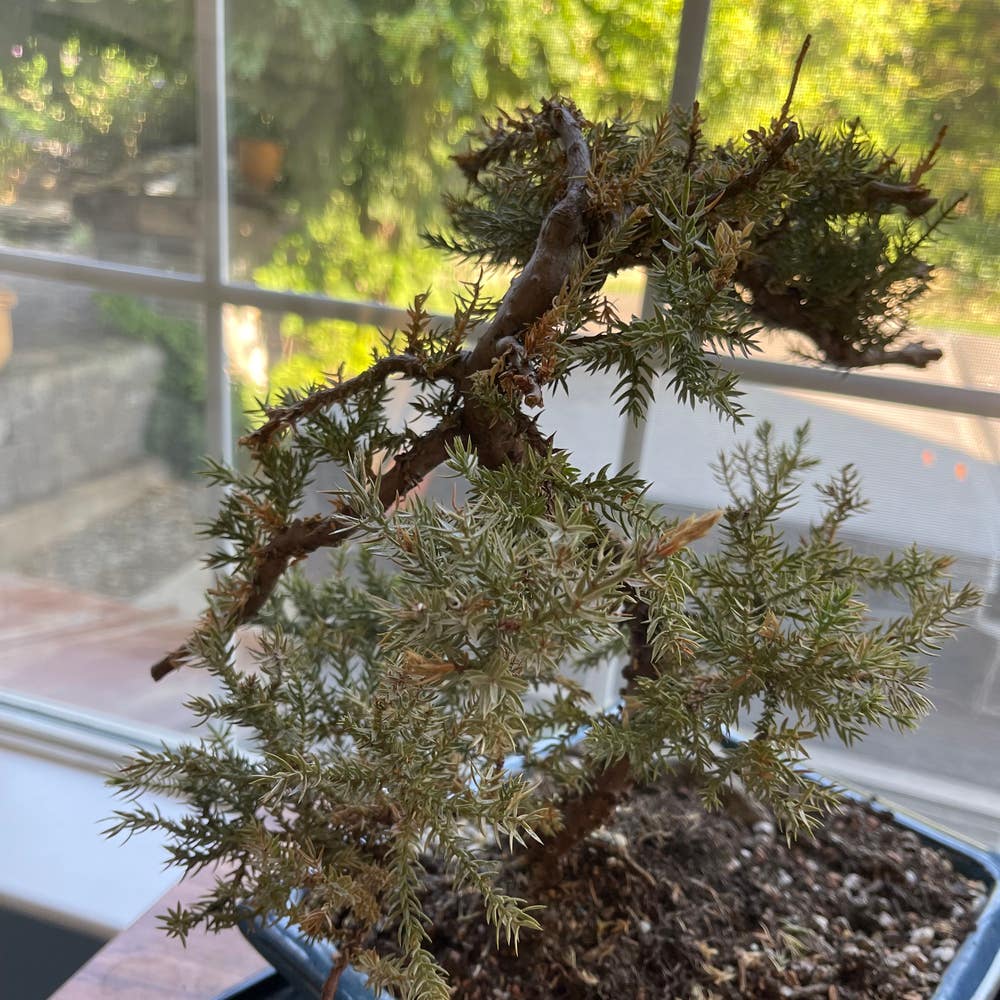
🌳 4 Ideal Locations to Plant Green Mound Juniper
Juniperus procumbens
By the Greg Editorial Team
Oct 17, 2024•5 min read
This article was created with the help of AI so we can cover more plants for you. May contain errors. See one? Report it here.
Master sunlight and soil for thriving Green Mound Junipers 🌱 and transform your garden into a vibrant oasis!
- ☀️ Green Mound Juniper needs 6-8 hours of direct sunlight for optimal growth.
- 🌱 Well-draining sandy soils are essential to prevent root rot and promote health.
- 🌬️ Wind protection is crucial; plant near barriers for optimal growth conditions.
Sunlight Exposure
🌞 Full Sun Requirements
Green Mound Juniper thrives best in full sun, requiring 6-8 hours of direct sunlight daily. This exposure not only promotes healthy growth but also enhances the vibrant foliage that makes this plant a favorite in many landscapes.
🌤️ Tolerance to Partial Shade
While it prefers full sun, the Green Mound Juniper can tolerate up to 4 hours of indirect sunlight. However, too much shade can result in leggier growth and reduced density, which may not be ideal for your garden aesthetics.
Ideal Scenarios for Partial Shade
If you're considering planting in partial shade, think about understory planting or positioning near taller structures. These scenarios can provide the necessary light while still offering some protection from harsh sunlight.
Understanding these sunlight exposure needs is crucial for ensuring your Green Mound Juniper flourishes. Next, let’s explore the soil type and conditions that will best support its growth.
Soil Type and Conditions
Well-Draining Soil Preferences 🌊
Green Mound Juniper thrives in sandy or rocky soils that facilitate quick drainage. This soil texture is crucial as it prevents root rot, ensuring your plants grow healthy and vibrant.
Proper drainage is essential for promoting robust growth. Without it, your junipers may struggle, leading to disappointing results.
Soil pH Considerations ⚗️
The optimal pH range for Green Mound Juniper is between 6.0 and 8.0. Maintaining this balance helps the plant absorb nutrients effectively.
To determine your soil's pH, use a soil test kit. If adjustments are needed, adding lime can raise the pH, while sulfur can lower it.
Conclusion 🏁
Understanding soil type and pH is vital for the success of your Green Mound Juniper. With the right conditions, you can create a thriving environment that showcases this beautiful plant. Next, let’s explore how to position your junipers in relation to other plants and structures for optimal growth.
Proximity to Other Plants and Structures
🌱 Companion Planting Suggestions
When planting Green Mound Juniper, consider pairing it with low-growing perennials, ornamental grasses, and drought-resistant plants. These companions not only thrive together but also enhance biodiversity and visual interest in your garden.
Companion planting can create a vibrant ecosystem, attracting beneficial insects and providing a more dynamic landscape. This approach makes your garden not just a collection of plants, but a thriving community.
🚫 Avoiding Overcrowding
To ensure healthy growth, space your Green Mound Junipers 3-4 feet apart. This distance allows them to spread naturally without competing for resources.
Overcrowding can lead to increased competition for nutrients and water, ultimately resulting in poor growth. Giving each plant room to breathe fosters a healthier, more robust garden.
By carefully considering the proximity of your plants, you can create a flourishing environment that showcases the beauty of your Green Mound Junipers while maintaining their health.
Next, let’s explore how to assess the best spot for your junipers, focusing on sunlight patterns and seasonal changes.
Assessing the Best Spot
🌞 Evaluating Sunlight Patterns
Morning vs. Afternoon Sun
Morning sun is a game-changer for your green mound juniper. The gentle light encourages healthy growth without the risk of scorching.
On the flip side, afternoon sun can be intense. This heat can stress your plants, so make sure they have adequate moisture to thrive.
🍂 Seasonal Changes in Light Exposure
Keep an eye on how sunlight patterns shift with the seasons. Observing these changes helps you understand the best spots for your juniper.
If you notice significant variations, don’t hesitate to adjust your planting locations. Relocating based on seasonal light availability can make a big difference in your plant's health.
With the right sunlight exposure, your green mound juniper will flourish beautifully. Next, let’s explore the importance of wind protection and drainage considerations for optimal growth.
Wind Protection and Drainage Considerations
Importance of Windbreaks 🌬️
Wind protection is crucial for the healthy growth of Green Mound Juniper.
Natural Barriers vs. Artificial Structures
Natural windbreaks, like existing trees or shrubs, can effectively shield your plants from harsh winds.
On the other hand, artificial structures such as fences or trellises also provide valuable protection, especially in open areas.
Placement for Optimal Protection 🛡️
For the best results, plant your junipers on the leeward side of these windbreaks.
Make sure the windbreaks are taller than the junipers to ensure effective shielding from strong gusts.
Drainage Considerations 🚰
Proper drainage is vital for the health of your junipers.
Assessing Drainage in Potential Planting Sites
Look for signs of poor drainage, such as puddling water, muddy soil, or waterlogged areas.
You can test drainage by digging a hole, filling it with water, and observing how quickly it drains.
Solutions for Poor Drainage Areas
If you discover poor drainage, consider using raised beds to elevate your planting areas.
Additionally, amending the soil with sand or gravel can significantly enhance drainage capabilities, ensuring your junipers thrive.
With the right wind protection and drainage solutions, your Green Mound Junipers will flourish beautifully.
Next, let’s explore how to assess the best spot for planting, focusing on sunlight patterns and seasonal changes.
⚠️ Safety First
This content is for general information and may contain errors, omissions, or outdated details. It is not medical, veterinary advice, or an endorsement of therapeutic claims.
Always consult a qualified healthcare professional before using any plant as food, medicine, or supplement.
Never eat any plant (or feed one to pets) without confirming its identity with at least two trusted sources.
If you suspect poisoning, call Poison Control (800) 222-1222, the Pet Poison Helpline (800) 213-6680, or your local emergency service immediately.
Spotted an error? Please report it here.
Unlock a thriving garden for your Green Mound Juniper 🌞 with Greg's tailored planting tips and soil testing guidance to ensure optimal growth in the perfect conditions!