🌳 Green Mound Juniper Is Not Considered a Weed
Juniperus procumbens
By the Greg Editorial Team
Oct 17, 2024•5 min read
This article was created with the help of AI so we can cover more plants for you. May contain errors. See one? Report it here.
Enhance your garden's beauty 🌱 and support local wildlife 🌍 with the low-maintenance, non-invasive Green Mound Juniper!
- 🌱 Green Mound Juniper is non-invasive, promoting biodiversity in your garden.
- 🌿 Drought-tolerant and low-maintenance, it thrives in poor soil and requires minimal pruning.
- 🦋 Supports local wildlife while enhancing garden aesthetics and suppressing weeds.
Plant Classification
🌱 Definition of Invasive Species
Invasive species are non-native plants that aggressively spread, outcompeting local flora and disrupting ecosystems. They typically exhibit rapid growth, high reproductive rates, and adaptability to various environments, making them a significant concern for biodiversity.
🌿 Why Green Mound Juniper is Not Invasive
Green Mound Juniper stands out as a non-invasive option due to its controlled growth habits and limited spread potential. This plant thrives in various soil types but does not dominate the landscape, allowing other plants to flourish alongside it.
By understanding these classifications, gardeners can make informed choices that support both their aesthetic goals and local ecosystems. Transitioning to the next section, let’s explore the growth habits of Green Mound Juniper in more detail.
Growth Habits
Typical Growth Patterns in Gardens 🌱
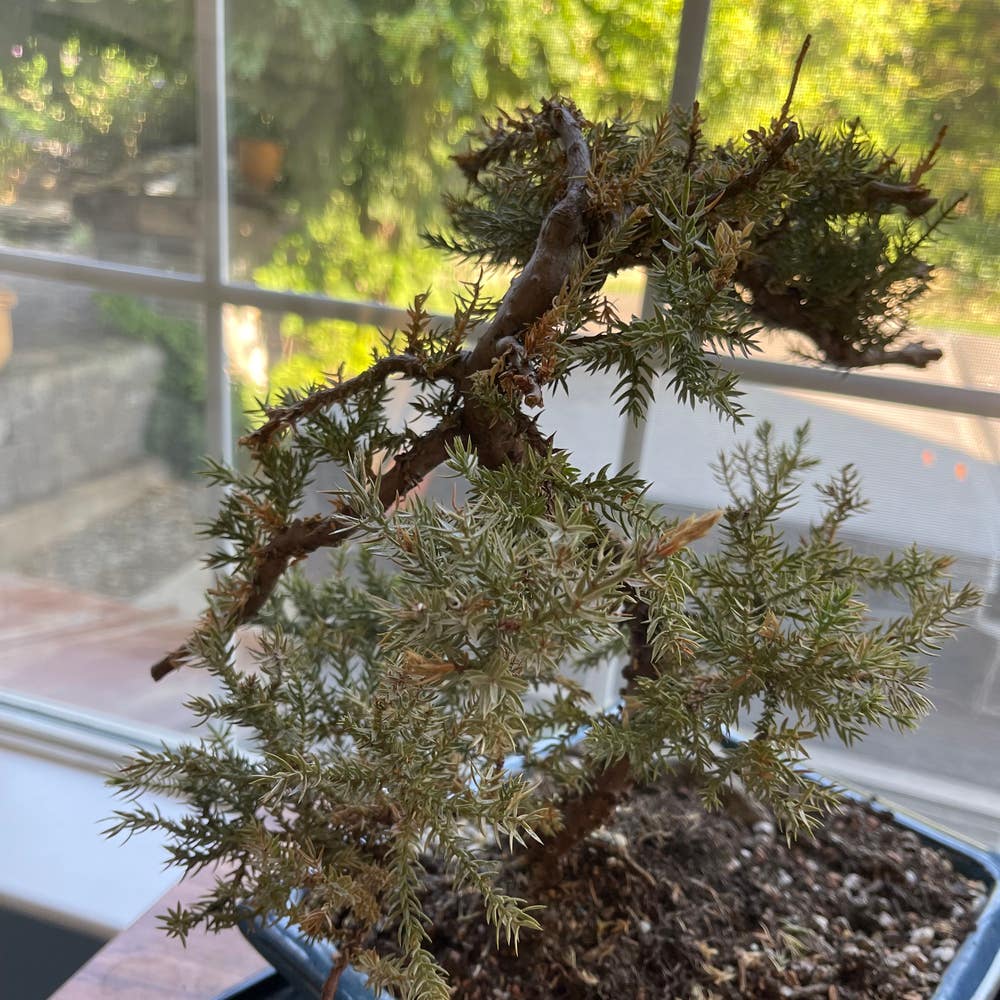
Green Mound Juniper showcases a low, spreading growth habit, making it an excellent choice for ground cover. Its dense foliage not only adds visual interest but also remains vibrant throughout the year.
Natural Growth Limits and Spread Potential 🌍
This plant typically reaches a height of 1-2 feet while spreading 3-6 feet wide, which limits its vertical growth. Its natural limits include impressive drought tolerance and the ability to thrive in poor soil conditions.
Maintenance and Pruning Considerations ✂️
Minimal pruning is needed for Green Mound Juniper, but occasional trimming helps maintain its desired shape and size. The best time for pruning is late winter to early spring, just before new growth begins.
Incorporating Green Mound Juniper into your garden can enhance its aesthetic appeal while requiring little maintenance. Next, we'll explore the ecological role this plant plays in supporting local wildlife and contributing to soil health.
Ecological Role
🦜 Benefits to Local Wildlife
Green Mound Juniper plays a vital role in supporting local wildlife. It attracts beneficial creatures like birds and pollinators, enhancing biodiversity in your garden.
These plants provide essential shelter and nesting sites for small animals, creating a thriving ecosystem right in your backyard.
🌱 Interaction with Other Plants in the Ecosystem
This juniper complements native plants, contributing to a balanced ecosystem. Its dense growth habit can even help suppress weeds, allowing other plants to flourish.
By integrating with the surrounding flora, Green Mound Juniper fosters a healthier garden environment.
🌍 Role in Soil Health and Erosion Control
The root system of Green Mound Juniper is a powerhouse for soil stabilization. It effectively prevents erosion, especially in rocky or sloped areas.
Additionally, as the plant sheds foliage, it contributes organic matter to the soil, enriching it and promoting overall soil health.
Incorporating Green Mound Juniper into your garden not only beautifies the space but also supports a vibrant ecosystem. Next, let’s explore how to effectively manage this hardy plant in your garden design.
Garden Management
Effective Incorporation into Garden Designs 🌿
Green Mound Juniper shines in various garden settings. It's perfect for rock gardens, slopes, and as ground cover in mixed borders.
This hardy plant adds visual interest to low-maintenance landscapes. Its lush, evergreen foliage creates a vibrant backdrop throughout the year.
Growth Control Methods for Practical Reasons ✂️
While Green Mound Juniper is non-invasive, you might want to manage its spread. Planting in contained areas or using edging materials can help keep it in check.
Regular monitoring is key. Light pruning will maintain its shape and aesthetics, ensuring it complements your garden beautifully.
Incorporating Green Mound Juniper not only enhances your garden's appeal but also supports local wildlife. As you plan your garden, consider how this resilient plant can play a role in your landscape design.
Next, we’ll explore the unique qualities of Green Mound Juniper compared to other plants.
Comparison to Other Plants
🌱 Unique Qualities of Green Mound Juniper
Green Mound Juniper stands out for its remarkable drought tolerance and adaptability to various soil types. This hardiness makes it a reliable choice for gardeners looking to create resilient landscapes.
Its evergreen foliage ensures year-round visual interest, unlike many seasonal ground covers that fade with the changing seasons. This consistent greenery adds a vibrant touch to any garden, making it a favorite among landscape enthusiasts.
🌟 Benefits of Choosing Green Mound Juniper Over Other Options
Opting for Green Mound Juniper means embracing a low-maintenance plant that thrives with minimal intervention. Its pest-resistant nature significantly reduces the need for chemical treatments, promoting a healthier garden environment.
Moreover, this juniper enhances garden aesthetics while providing essential support for local wildlife. By attracting birds and pollinators, it fosters biodiversity, making your garden not just beautiful but also ecologically beneficial.
Incorporating Green Mound Juniper into your landscape design is a smart choice that combines practicality with beauty. As you consider your options, remember that this hardy plant can elevate your garden while supporting the ecosystem around it.
Next, let’s explore how to effectively manage and incorporate this versatile plant into your garden designs.
Legal and Environmental Considerations
🌍 Relevant Classifications and Guidelines
When considering planting Green Mound Juniper, it's essential to check local regulations regarding non-native species. Even though this plant is non-invasive, some areas may have restrictions on its use to protect local ecosystems.
Understanding these guidelines helps ensure that your gardening choices support local biodiversity. Always consult local horticultural resources to stay informed about any specific restrictions.
♻️ Sustainable Gardening Practices
Incorporating Green Mound Juniper into your garden promotes sustainable practices. This hardy plant enhances biodiversity while requiring less water, making it an eco-friendly choice.
Additionally, using Green Mound Juniper encourages the integration of native plants in your landscape design. This approach not only supports local wildlife but also fosters a healthier ecosystem overall.
By choosing plants that align with sustainable gardening principles, you contribute positively to your environment. This mindful selection can lead to a flourishing garden that benefits both you and the local ecosystem.
As you explore the benefits of Green Mound Juniper, consider how it fits into your broader gardening goals. Next, we’ll delve into effective garden management strategies to maximize its potential.
⚠️ Safety First
This content is for general information and may contain errors, omissions, or outdated details. It is not medical, veterinary advice, or an endorsement of therapeutic claims.
Always consult a qualified healthcare professional before using any plant as food, medicine, or supplement.
Never eat any plant (or feed one to pets) without confirming its identity with at least two trusted sources.
If you suspect poisoning, call Poison Control (800) 222-1222, the Pet Poison Helpline (800) 213-6680, or your local emergency service immediately.
Spotted an error? Please report it here.
Transform your garden with the resilient Green Mound Juniper 🌿, and let Greg provide tailored care tips to help your plants flourish effortlessly!