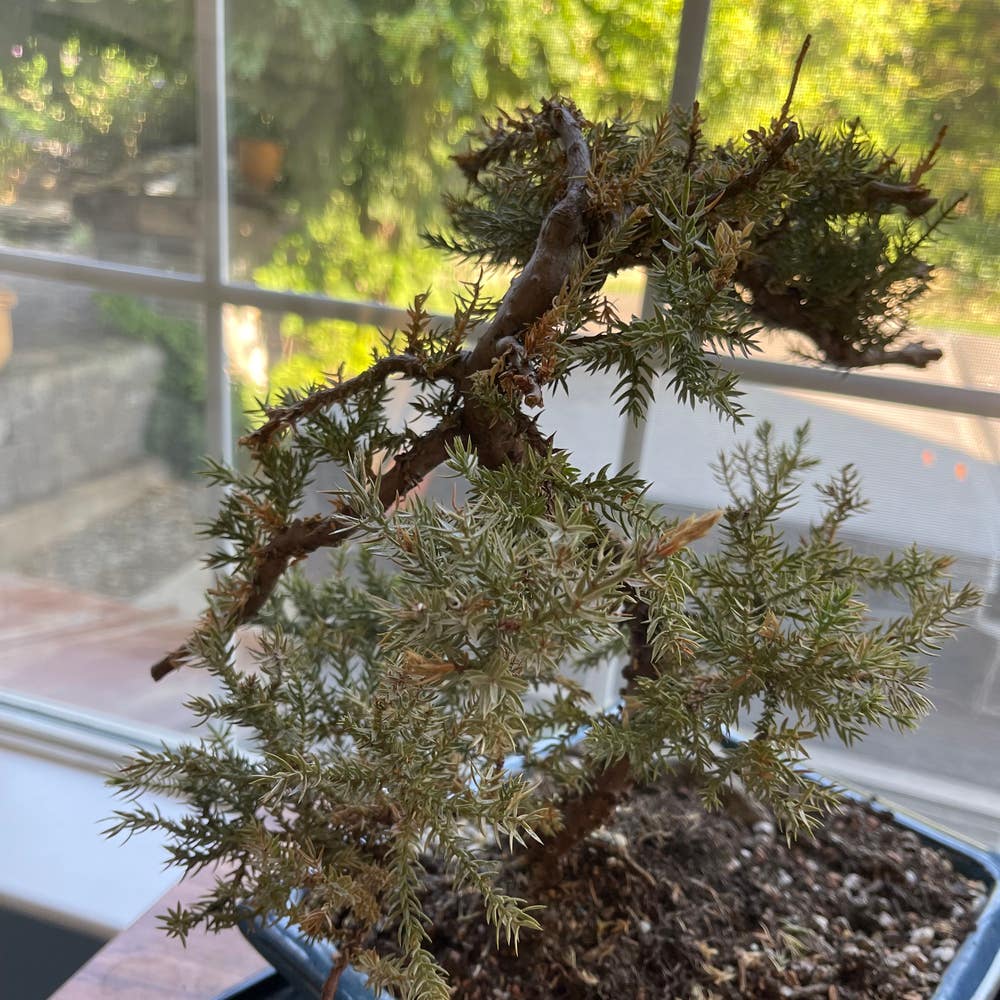
🌍 Ultimate Guide to Soil for Green Mound Juniper
Juniperus procumbens
By the Greg Editorial Team
Oct 17, 2024•4 min read
This article was created with the help of AI so we can cover more plants for you. May contain errors. See one? Report it here.
Transform your Green Mound Juniper into a lush masterpiece with the perfect soil mix and care tips! 🌿
- 🌱 Ideal soil mix: 50% coarse sand, 30% peat moss, 20% compost for Green Mound Juniper.
- 🔍 Optimal pH range: Maintain between 6.0 and 7.0 for nutrient absorption.
- 🌿 Healthy soil is essential for thriving junipers; check moisture and aeration regularly.
Ideal Soil Composition
Recommended Components 🌱
Creating the perfect soil mix for your Green Mound Juniper is essential for its health and growth. Aim for a blend that consists of 50% coarse sand or perlite to ensure excellent aeration.
Next, incorporate 30% peat moss or coconut coir. These materials help retain moisture, which is crucial for your juniper's hydration needs. Finally, add 20% compost or well-rotted organic matter to provide essential nutrients.
Recommended Soil pH Levels ⚖️
Maintaining the right soil pH is vital for nutrient absorption. The ideal pH range for Green Mound Juniper is between 6.0 and 7.0.
To check your soil's pH, use a pH testing kit or meter. These tools are user-friendly and provide quick results, making it easy to ensure your juniper thrives in the right conditions.
With the right soil composition and pH levels, your Green Mound Juniper will be set up for success. Next, let’s explore how to identify unhealthy soil conditions that could hinder its growth.
Identifying Unhealthy Soil
🚩 Signs of Unhealthy Soil
Moldy soil is a clear red flag for your Green Mound Juniper. If you notice a fuzzy layer on the surface, it could indicate overwatering or poor drainage, both of which can harm your plant's health.
Soil compaction is another issue to watch for. If the soil feels hard and dense, it can restrict root growth, making it difficult for your Juniper to absorb nutrients and water effectively.
🧪 How to Test Soil Health
Assessing soil structure and composition is crucial for maintaining healthy plants. You can do this by examining the soil's texture and moisture retention capabilities, which can reveal underlying problems.
Soil testing kits are invaluable tools for this process. Look for kits that measure pH, nutrient levels, and organic matter content, and follow the instructions carefully to get accurate results.
Resolving Soil Issues
🦠 Solutions for Moldy Soil
Moldy soil can be a serious concern for your Green Mound Juniper. Immediate actions include removing any affected soil and plants to prevent further spread.
For long-term solutions, focus on improving air circulation and drainage. This can be achieved by adjusting your watering practices and ensuring the soil mix allows for proper airflow.
🛠️ How to Amend Compacted Soil
Compacted soil restricts root growth and can hinder your Juniper's health. To loosen compacted soil, consider several techniques.
Aeration methods are particularly effective. You can choose between manual options, like using a garden fork, or mechanical aerators that penetrate deeper into the soil.
🥦 Nutrient Deficiencies and Remedies
Identifying nutrient deficiencies is crucial for maintaining healthy Junipers. Look for symptoms such as yellowing leaves or stunted growth.
Once identified, you can address these deficiencies with recommended soil amendments. Options include adding compost or specific fertilizers tailored to boost the nutrients your Juniper needs.
By tackling these soil issues, you can ensure your Green Mound Juniper thrives in a healthy environment. Next, let’s explore how to create a homemade soil mix that perfectly suits your plant's needs.
Creating a Homemade Soil Mix
Ingredients for an Ideal Soil Mix 🌱
Creating the perfect soil mix for your Green Mound Juniper involves understanding the role of each component.
- Coarse Sand or Perlite (50%): This ensures excellent aeration, allowing roots to breathe and preventing waterlogging.
- Peat Moss or Coconut Coir (30%): These materials retain moisture, providing a steady supply of water to your plants.
- Compost or Well-Rotted Organic Matter (20%): This adds essential nutrients, promoting healthy growth and vibrant foliage.
Step-by-Step Guide to Mixing Soil 🛠️
Follow these simple steps to create your ideal soil mix:
- Gather Materials: Collect coarse sand or perlite, peat moss or coconut coir, and compost.
- Combine Ingredients in a Large Container: Use the recommended ratios: 50% sand/perlite, 30% peat moss/coir, and 20% compost.
- Mix Thoroughly: Ensure even distribution of all components for a balanced soil mix.
Tips for Maintaining Soil Health 🌿
Maintaining soil health is crucial for the longevity of your Juniper.
- Regularly Check Soil Moisture Levels: Use your finger or a moisture meter to ensure the soil isn’t too dry or overly saturated.
- Importance of Mulching: Apply a layer of mulch to retain moisture and regulate soil temperature, creating a stable environment for your plants.
With these steps and tips, you’ll be well on your way to nurturing a thriving Green Mound Juniper. Next, let’s explore how to identify unhealthy soil and what signs to watch for.
⚠️ Safety First
This content is for general information and may contain errors, omissions, or outdated details. It is not medical, veterinary advice, or an endorsement of therapeutic claims.
Always consult a qualified healthcare professional before using any plant as food, medicine, or supplement.
Never eat any plant (or feed one to pets) without confirming its identity with at least two trusted sources.
If you suspect poisoning, call Poison Control (800) 222-1222, the Pet Poison Helpline (800) 213-6680, or your local emergency service immediately.
Spotted an error? Please report it here.
Create the perfect soil mix 🌿 for your Green Mound Juniper with Greg's tailored tips and pH reminders, ensuring your plant thrives in a healthy environment!