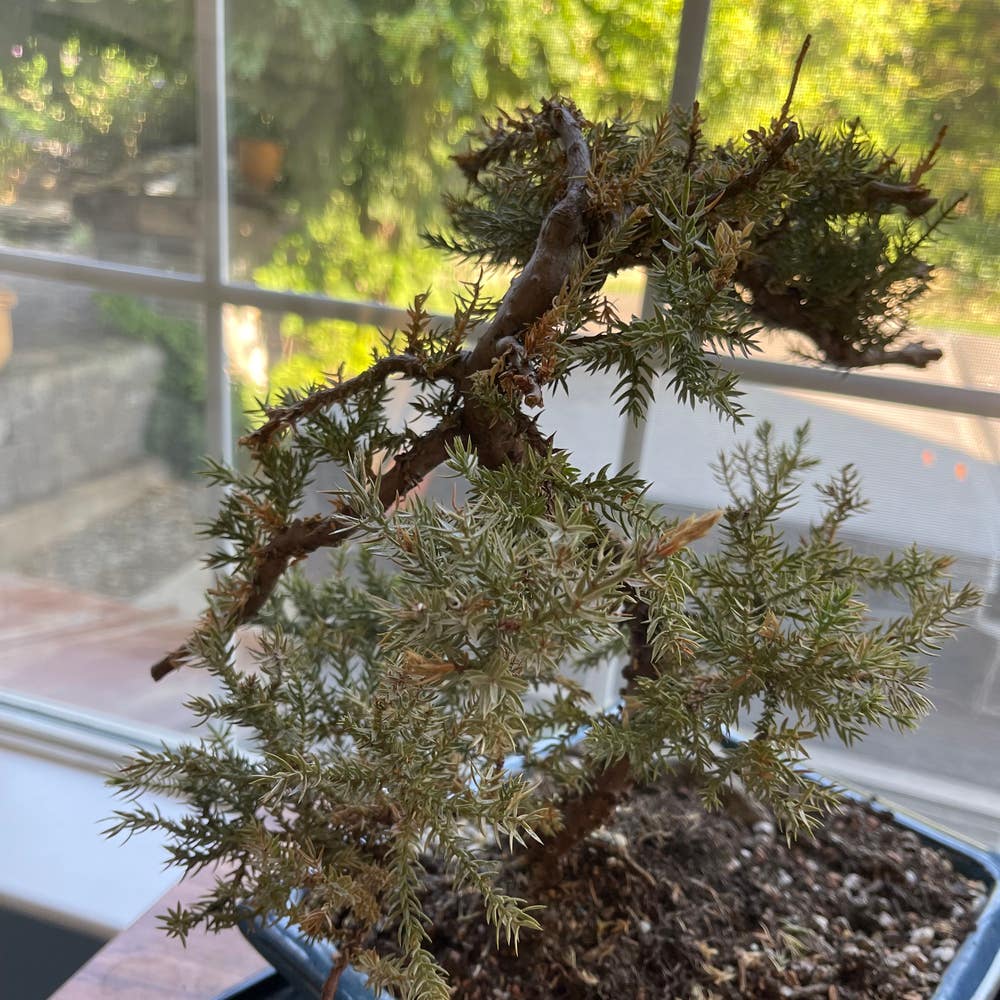
🌲 Best Climate for Green Mound Juniper: Zones 4a-9b
Juniperus procumbens
By the Greg Editorial Team
Oct 17, 2024•5 min read
This article was created with the help of AI so we can cover more plants for you. May contain errors. See one? Report it here.
Unlock the secret to thriving Green Mound Juniper 🌱 by mastering its temperature tolerances and ideal growing conditions!
- 🌍 Green Mound Juniper thrives in USDA zones 4a-9b, adapting to various climates.
- ❄️🔥 It withstands extreme temperatures, from -30°F to 90°F with proper care.
- ☀️ Full sun and well-drained soil are essential for optimal growth and health.
Temperature Tolerance of Green Mound Juniper
❄️ Cold Tolerance Specifics
Green Mound Juniper is remarkably resilient, surviving temperatures as low as -30°F (-34°C) in USDA zones 4a. This cold tolerance allows it to thrive in regions that experience harsh winters.
Frost tolerance is another key feature. This juniper can withstand late spring and early fall frosts, making it a reliable choice for gardeners in fluctuating climates.
☀️ Heat Tolerance Specifics
On the flip side, Green Mound Juniper thrives in warmer conditions, flourishing in temperatures up to 90°F (32°C). With adequate moisture, it can even tolerate higher temperatures, which is essential for its growth.
However, extreme heat can pose challenges. If not managed properly, high temperatures can lead to stress and reduced vigor, impacting the plant's overall health.
🌡️ Impact of Temperature Extremes on Growth
Sudden temperature changes can significantly affect the health of Green Mound Juniper. These fluctuations may lead to shock, which can stunt growth or even cause dieback.
To mitigate temperature stress, proper site selection is crucial. Additionally, mulching can help regulate soil temperature and retain moisture, providing a buffer against extreme conditions.
Understanding these temperature tolerances is vital for successful cultivation. As we explore ideal regions for growing Green Mound Juniper, keep these temperature factors in mind to ensure a thriving garden.
Ideal Regions for Growing Green Mound Juniper
🌍 Examples of US States in Suitable Zones
Green Mound Juniper thrives in USDA zones 4a-9b, making several states ideal for its growth. Notable examples include Colorado, New Mexico, Texas, Oklahoma, and parts of California, all of which provide the right temperature and climate conditions.
These states experience a range of temperatures that align perfectly with the juniper's cold and heat tolerance. For instance, Colorado's cooler climate suits the plant's needs, while New Mexico and Texas offer the warmth it can handle, especially with adequate moisture.
🌱 Factors Contributing to Ideal Growing Conditions
Soil type plays a crucial role in the health of Green Mound Juniper. This plant prefers rocky, sandy soils that drain well, preventing root rot and other moisture-related issues.
Sunlight is another key factor. Green Mound Juniper requires full sun exposure for optimal growth, ensuring it receives the energy needed to flourish. Without adequate sunlight, the plant may struggle to thrive, leading to stunted growth or poor health.
In summary, choosing the right state and understanding the soil and sunlight requirements are essential for successfully growing Green Mound Juniper. With the right conditions, this hardy plant can truly shine in your garden.
Next, we will explore how microclimates can further extend the growing range of Green Mound Juniper.
Microclimates and Their Effects
How Microclimates Can Extend Growing Range 🌱
Microclimates can significantly enhance the growth potential of Green Mound Juniper, allowing it to thrive beyond its typical hardiness zones. These localized climate variations create conditions that can be more favorable than the surrounding areas.
Factors such as elevation, proximity to water bodies, and urban heat islands play crucial roles in shaping these microclimates. For instance, higher elevations may offer cooler temperatures, while areas near lakes can provide moisture and moderate temperature swings.
Examples of Microclimates Affecting Green Mound Juniper 🌍
In California, coastal regions often experience milder temperatures due to ocean breezes, creating a perfect environment for Green Mound Juniper. Similarly, in Colorado, valleys shielded from harsh winds can maintain warmer temperatures, allowing these junipers to flourish.
Case studies reveal successful cultivation of Green Mound Juniper in atypical zones. For example, gardeners in urban areas have leveraged heat from buildings to create a microclimate that supports healthy growth, demonstrating the adaptability of this resilient plant.
Understanding these microclimates can empower gardeners to make informed decisions about where to plant Green Mound Juniper, maximizing its growth potential. As we explore state-level suitability next, consider how these localized conditions can influence your gardening strategy.
State-Level Suitability Analysis
🌍 List of States Within Hardiness Zones 4a-9b
Green Mound Juniper thrives in a variety of states across the U.S. Here’s a detailed look at where you can successfully cultivate this hardy plant:
- Colorado: Particularly in the foothills and high plains, where the climate is dry and sunny.
- New Mexico: Ideal in the southern regions, benefiting from warm temperatures and well-drained soils.
- Texas: Thrives in the western and northern parts, where conditions are less humid.
- Oklahoma: Suitable in the western regions, which experience less frost and ample sunlight.
- California: Especially in the inland areas, where rocky soils and dry conditions prevail.
These states provide the right combination of temperature and climate, making them perfect for growing Green Mound Juniper.
❌ List of States Outside Suitable Zones
While many states are ideal for Green Mound Juniper, some are not suitable for its growth:
- Florida: The excessive humidity and heat can stress the plant.
- Hawaii: Tropical conditions are too warm and moist for this juniper.
- Parts of the Northeast: Areas with harsh winters and high humidity levels pose risks.
These states face challenges like excessive heat, humidity, or frost risks, making them less than ideal for this resilient plant.
🔍 Reasons for Suitability or Unsuitability
Understanding why certain states are suitable or unsuitable for Green Mound Juniper involves analyzing several climate factors.
- Temperature Extremes: States within the hardiness zones 4a-9b experience temperature ranges that align with the juniper's needs.
- Frost Dates: Local conditions, such as the timing of the first and last frosts, significantly impact growth potential. States with milder frost conditions allow for better survival and growth.
By considering these factors, you can better understand where Green Mound Juniper will flourish and where it might struggle.
This analysis sets the stage for exploring how microclimates can further influence the growth of this hardy plant.
⚠️ Safety First
This content is for general information and may contain errors, omissions, or outdated details. It is not medical, veterinary advice, or an endorsement of therapeutic claims.
Always consult a qualified healthcare professional before using any plant as food, medicine, or supplement.
Never eat any plant (or feed one to pets) without confirming its identity with at least two trusted sources.
If you suspect poisoning, call Poison Control (800) 222-1222, the Pet Poison Helpline (800) 213-6680, or your local emergency service immediately.
Spotted an error? Please report it here.
Grow your Green Mound Juniper like a pro 🌱 with Greg's tailored care tips and reminders, ensuring it thrives in any climate you call home!