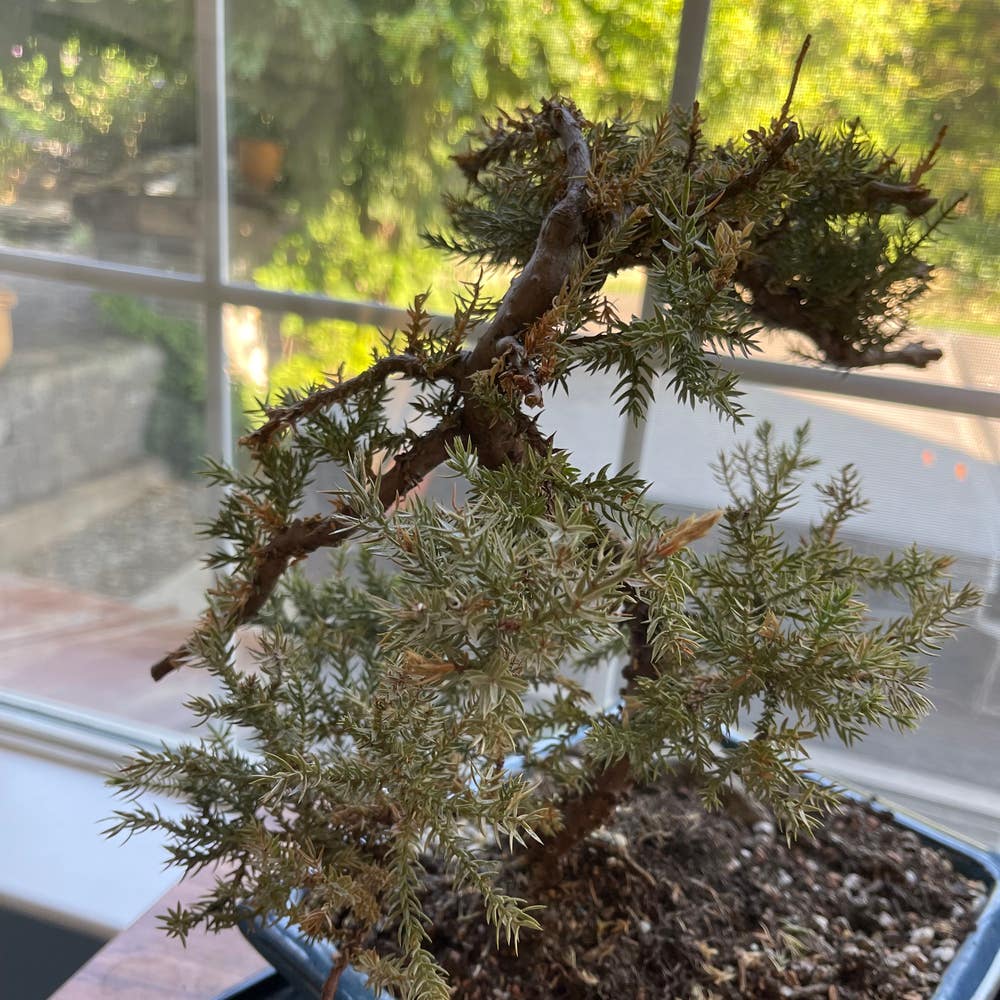
🔧 How to Fix Curling Leaves on Your Green Mound Juniper
Juniperus procumbens
By the Greg Editorial Team
Oct 17, 2024•7 min read
This article was created with the help of AI so we can cover more plants for you. May contain errors. See one? Report it here.
Transform your curling Green Mound Juniper into a thriving beauty with essential care tips! 🌿
- 🌱 Curling leaves indicate stress from pests, diseases, or nutrient deficiencies.
- ☀️ Provide shade during heat to prevent curling from heat stress.
- 💧 Regular watering and humidity are essential to keep leaves healthy and prevent curling.
Causes of Curling Leaves
🌍 Environmental Stress Factors
Heat Stress
Heat stress can be a major culprit behind curling leaves on your Green Mound Juniper. Symptoms include leaves curling and turning brown at the tips, signaling that your plant is struggling in the heat.
To mitigate this, consider providing shade during peak sun hours. This simple adjustment can help your juniper thrive even in the hottest months.
Drought Conditions
Drought conditions can also lead to curled leaves, which may appear dry and lifeless. Regularly watering your juniper, especially during dry spells, is essential for maintaining its health.
Establishing a consistent watering schedule can make a significant difference in your plant's vitality.
Humidity Levels
Low humidity is another environmental factor that can cause leaf curl. If your juniper is suffering from low humidity, you might notice the leaves curling up as they struggle to retain moisture.
Increasing humidity through misting or grouping plants together can help create a more favorable environment for your juniper.
🐛 Pests Affecting Junipers
Spider Mites
Spider mites are tiny, spider-like creatures that often hide on the undersides of leaves. If you spot fine webbing and yellowing leaves, these pests may be the issue.
To control spider mites, consider using insecticidal soap or neem oil. These methods can effectively reduce their population and protect your juniper.
Aphids
Aphids are small, soft-bodied insects that tend to cluster on new growth. If you notice curling leaves accompanied by a sticky residue, known as honeydew, aphids could be the culprit.
Introducing beneficial insects or applying insecticidal soap can help manage aphid infestations effectively.
🦠 Diseases That Cause Leaf Curl
Needle Blight
Needle blight is a fungal infection that can lead to browning and curling of needle-like leaves. This disease often thrives in conditions with poor air circulation.
To treat needle blight, apply fungicides and ensure proper sanitation around your juniper. Taking these steps can help prevent the spread of the infection.
🌱 Nutrient Deficiencies
Nitrogen Deficiency
A nitrogen deficiency can manifest as yellowing leaves and stunted growth. If your juniper is showing these symptoms, it may be time to fertilize with a balanced NPK fertilizer.
This simple solution can replenish essential nutrients and promote healthier growth.
Magnesium Deficiency
Magnesium deficiency is characterized by interveinal chlorosis, where the area between leaf veins turns yellow. To address this issue, applying magnesium sulfate (Epsom salt) to the soil can provide the necessary nutrients.
By tackling these deficiencies, you can help your juniper regain its vibrant health.
Understanding these causes of curling leaves is the first step in restoring your Green Mound Juniper to its full glory. Next, let’s explore how to diagnose these issues effectively.
Diagnosing Curling Leaves
🧐 Identifying Symptoms
Curling leaves can signal distress in your green mound juniper. Look for visual signs like curling, browning, or yellowing leaves, which indicate something is amiss.
Changes in leaf texture are also telling. If the leaves feel dry or brittle, it’s a clear sign that your plant needs attention.
🐛 Differentiating Between Pest and Disease Issues
To effectively address the problem, you need to identify whether pests or diseases are the culprits. Pest indicators include the presence of insects or fine webbing on the leaves.
On the other hand, disease indicators often manifest as fungal growth or discoloration without any visible pests. Knowing the difference is crucial for effective treatment.
🌦️ Assessing Environmental Conditions
Environmental factors play a significant role in the health of your juniper. Ensure your plant receives adequate sunlight, ideally 6-8 hours daily, to thrive.
Additionally, check your watering practices. Maintaining proper soil moisture levels is essential to prevent both overwatering and underwatering, which can exacerbate leaf curling.
By carefully diagnosing these symptoms and conditions, you can take the necessary steps to restore your juniper’s health. Next, let’s explore effective treatment options to address these curling leaves.
Treatment Options
🐞 Pest Control Methods
Insecticidal Soap
Insecticidal soap is a highly effective method for controlling pests on your green mound juniper. Spray it directly on affected areas, ensuring thorough coverage for maximum impact.
Apply this treatment every 7-14 days until you notice a significant reduction in pest activity. Consistency is key to regaining control.
Neem Oil
Neem oil serves as another powerful tool in your pest management arsenal. Dilute it properly and spray during the early morning or late evening to avoid harming beneficial insects.
For ongoing prevention, apply neem oil every 2-3 weeks. This natural solution not only targets pests but also promotes plant health.
🦠 Disease Management Strategies
Fungicides
When it comes to diseases affecting your juniper, fungicides can be a game changer. Always follow label instructions for dosage and frequency to ensure effectiveness.
Timing is crucial; apply fungicides at the first signs of disease for the best results. Early intervention can save your plant from severe damage.
Proper Sanitation
Maintaining proper sanitation is essential in disease management. Regularly remove and dispose of affected leaves to prevent the spread of pathogens.
This simple practice can significantly reduce the risk of future outbreaks, keeping your juniper healthy and vibrant.
💧 Adjusting Watering Practices
Drainage
Good drainage is vital for your juniper's health. Ensure the soil allows excess water to escape, preventing root rot and other moisture-related issues.
Check your planting area regularly to confirm that drainage is adequate. This proactive step can save you from bigger problems down the line.
Moisture Levels
Monitoring soil moisture is equally important. Use a moisture meter to maintain optimal levels—aim for slightly moist soil, not soggy.
By keeping an eye on moisture, you can create a thriving environment for your juniper, allowing it to flourish.
With these treatment options in hand, you're well-equipped to tackle curling leaves on your green mound juniper. Next, let’s explore preventive measures to keep your plant healthy year-round.
Preventive Measures
🌊 Best Practices for Watering
Watering your Green Mound Juniper correctly is crucial for its health. Aim for deep watering every 1-2 weeks, adjusting based on rainfall.
Maintaining consistent soil moisture is key. Avoid waterlogging, as it can lead to root rot.
🌱 Soil Amendments for Healthy Growth
Incorporating organic matter, like compost, can significantly enhance soil structure and nutrient content. This simple step can make a world of difference for your juniper.
Additionally, using mulch helps retain moisture and regulate soil temperature. It’s a win-win for your plant's health.
🐛 Regular Monitoring for Pests and Diseases
Make it a habit to inspect your juniper weekly for any signs of pests or diseases. Early detection is your best defense.
Addressing issues promptly can prevent them from escalating into bigger problems. Stay vigilant!
✂️ Proper Pruning Techniques
Timing is everything when it comes to pruning. Late winter or early spring is the ideal time to trim before new growth begins.
Focus on removing dead or crowded branches to enhance airflow. This simple technique can help keep your juniper thriving.
By implementing these preventive measures, you can ensure your Green Mound Juniper remains healthy and vibrant. Next, let’s explore seasonal considerations that can further support your plant's well-being.
Seasonal Considerations
🌞 Seasonal Changes Affecting Leaf Curl
Summer can be tough on your Green Mound Juniper. Keep an eye out for signs of heat stress, like curling leaves, and adjust your care routine accordingly.
As fall approaches, it's time to prepare for winter. Ensure your juniper has adequate moisture levels to withstand the colder months ahead.
❄️ Winter Care
Winter protection is crucial. Consider using burlap or other coverings to shield your juniper from harsh winds that can cause further stress.
Before the ground freezes, make sure your plants are well-watered. This will help them endure the winter conditions more effectively.
🌱 Spring Growth and Monitoring
With spring comes new growth, and that means it's time to be vigilant. Monitor your juniper for pests as fresh leaves emerge, as they can quickly become a problem.
Don't forget to fertilize! Applying a balanced fertilizer will support healthy growth and set your juniper up for success in the warmer months.
By staying proactive through the seasons, you can keep your Green Mound Juniper thriving. Next, let’s explore effective treatment options for any issues that may arise.
⚠️ Safety First
This content is for general information and may contain errors, omissions, or outdated details. It is not medical, veterinary advice, or an endorsement of therapeutic claims.
Always consult a qualified healthcare professional before using any plant as food, medicine, or supplement.
Never eat any plant (or feed one to pets) without confirming its identity with at least two trusted sources.
If you suspect poisoning, call Poison Control (800) 222-1222, the Pet Poison Helpline (800) 213-6680, or your local emergency service immediately.
Spotted an error? Please report it here.
Revive your Green Mound Juniper from curling leaves with consistent care 🌿—let Greg provide tailored reminders and expert tips to keep your plant thriving!