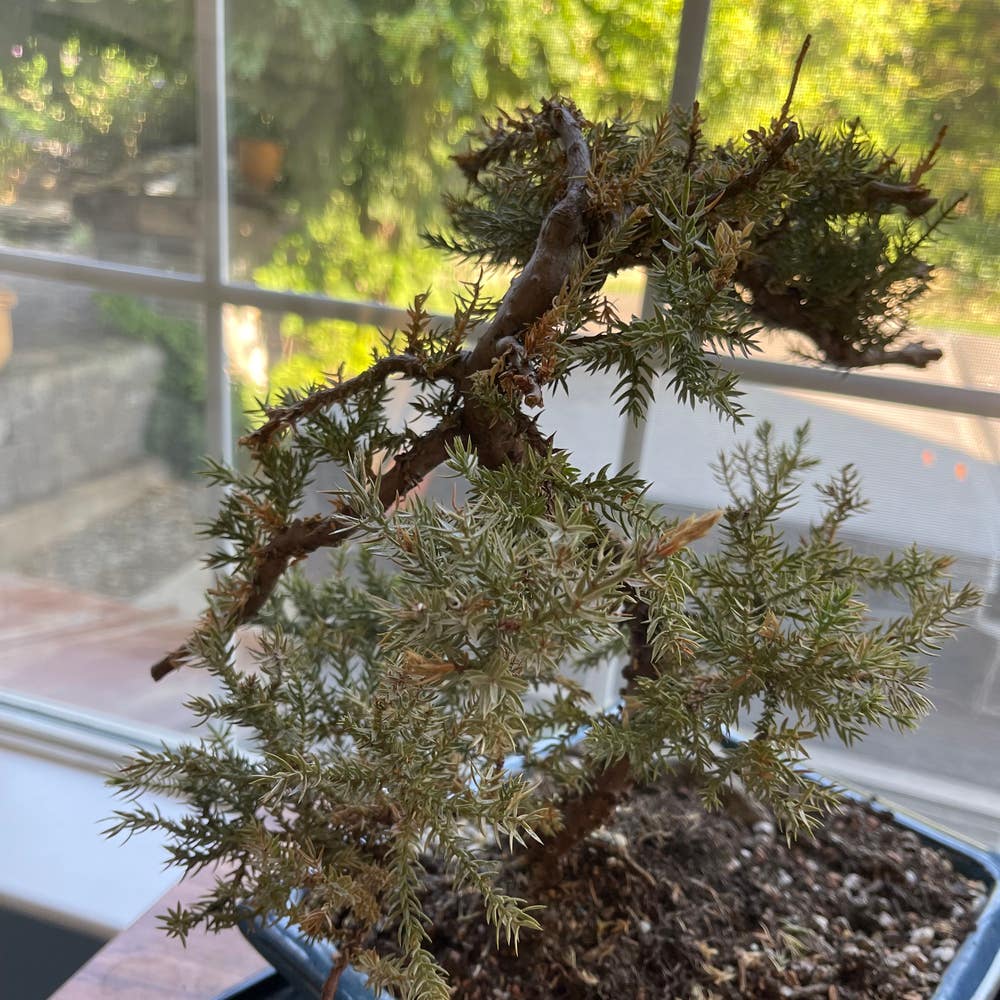
3 Perfect Pot Styles for Japanese Garden Juniper 🌳
Juniperus procumbens
By the Greg Editorial Team
Oct 09, 2024•5 min read
This article was created with the help of AI so we can cover more plants for you. May contain errors. See one? Report it here.
Unlock vibrant growth for your Japanese Garden Juniper 🌱 with the right potting techniques and materials!
- 🌱 Start seedlings in 4-6 inch pots for healthy root establishment.
- 🏺 Choose 12-18 inch pots for mature junipers to support extensive roots.
- 🌿 Select pot materials wisely—clay, plastic, or ceramic—based on plant needs.
Pot Sizes for Different Growth Stages
🌱 Recommended Sizes for Seedlings
When starting your Japanese Garden Juniper, choose a container that is 4-6 inches in diameter. The pot should also be at least 6 inches deep to allow for healthy root growth.
Starting small is crucial. It encourages the roots to establish themselves before they spread out, promoting a robust foundation for future growth.
🌳 Ideal Sizes for Mature Plants
As your juniper matures, you'll need a larger pot, ideally between 12-18 inches in diameter. A depth of 10-12 inches is essential to support the extensive root systems that develop over time.
Consider the growth habits of your specific variety. For instance, the 'Nana' variety may require wider pots due to its spreading nature, ensuring it has enough space to thrive.
Understanding pot sizes at different growth stages is vital for your juniper's health. This knowledge sets the stage for the next important aspect: selecting the right pot materials.
Ideal Pot Materials
🌱 Benefits of Clay Pots
Clay pots are a fantastic choice for your Japanese Garden Juniper. Their porosity allows for essential air exchange and moisture regulation, keeping roots healthy.
The natural aesthetic of clay complements the serene beauty of a Japanese garden. Plus, their weight provides stability, making them ideal for larger plants that might otherwise topple over.
🪴 Advantages of Plastic Pots
Plastic pots offer a lightweight alternative, making them easy to move and reposition as needed. They are also cost-effective, allowing you to invest more in your plants rather than the containers.
With a wide variety of colors and styles available, plastic pots can fit any garden theme. This versatility makes them a popular choice for many gardeners.
🏺 Comparison of Other Materials
Ceramic pots are visually appealing but can be heavy and prone to cracking. While they add elegance, consider their weight when selecting pots for larger junipers.
Metal pots are durable and stylish but may retain heat, which can affect soil temperature. When choosing materials, balance aesthetics with functionality to ensure the best environment for your juniper.
In summary, selecting the right pot material is crucial for the health and beauty of your Japanese Garden Juniper. Each option has its pros and cons, so consider your specific needs and preferences before making a decision.
Next, let’s explore the vital aspect of drainage considerations to keep your juniper thriving.
Drainage Considerations
🌧️ Importance of Drainage Holes
Proper drainage is crucial for the health of your Japanese Garden Juniper. These plants thrive in well-draining soil, making drainage holes essential to prevent root rot.
Aim for at least 3-5 holes in your pot. This ensures excess water can escape, keeping the roots happy and healthy.
🚰 How to Ensure Proper Drainage
To promote optimal drainage, use a potting mix specifically designed for junipers. Adding perlite or sand can enhance drainage further.
Elevating your pots slightly off the ground with pot feet or stones can improve airflow. This simple step can make a big difference in preventing water accumulation.
Regularly check your drainage holes for blockages. Keeping them clear is key to maintaining a healthy environment for your juniper.
With these drainage considerations in mind, your Japanese Garden Juniper will flourish beautifully. Next, let’s explore the best practices for repotting your plants to ensure they continue to thrive.
Repotting
When to Repot 🌱
Repotting your Japanese Garden Juniper is essential for its health. Aim to do this every 2-3 years, ideally in early spring before new growth kicks in.
Signs That Repotting is Needed 🚨
Keep an eye out for key indicators that your juniper needs a new home. If you notice roots growing out of the drainage holes, stunted growth, or yellowing leaves, it’s time to act. Additionally, if the soil dries out too quickly or retains too much moisture, repotting is necessary.
Step-by-Step Guide to Repotting 🛠️
Repotting can seem daunting, but following these steps will make it manageable:
- Choose a New Pot: Select one that is 1-2 inches larger in diameter than the current pot.
- Remove the Juniper: Carefully take the juniper out of its pot, loosening the root ball gently.
- Trim Roots: Cut away any damaged or excessively long roots to promote healthy growth.
- Add Potting Mix: Place a layer of fresh potting mix at the bottom of the new pot.
- Position the Juniper: Center the juniper in the pot and fill in around the sides with more potting mix.
- Water Thoroughly: Water the plant well to eliminate air pockets and ensure the soil settles around the roots.
Repotting not only gives your juniper room to grow but also refreshes its soil, providing essential nutrients. With these steps, your juniper will thrive in its new environment, setting the stage for healthy growth ahead.
Next, let’s explore some tips for maintaining pot health to ensure your juniper continues to flourish.
Tips for Maintaining Pot Health
Monitoring Soil Moisture 🌧️
Regularly checking soil moisture is crucial for your Japanese Garden Juniper. The soil should feel moist but not soggy; this balance is key to healthy growth.
Using a moisture meter can provide accurate readings, helping you avoid the pitfalls of over or under-watering. This simple tool can make a significant difference in maintaining optimal conditions.
Seasonal Considerations for Pot Care ❄️
In winter, protecting your pots from freezing temperatures is essential. Consider using insulating materials to shield the roots from harsh conditions.
During the summer, ensure your pots aren't exposed to extreme heat. Providing shade can help prevent stress on the plants, keeping them vibrant and healthy.
Adjust your watering frequency based on seasonal changes. This practice will help you maintain the right moisture levels, preventing issues related to over or under-watering.
As you care for your junipers, remember that attentive maintenance leads to thriving plants. With these tips, you’ll be well-equipped to nurture your garden's beauty.
Next, let’s explore the importance of repotting and when to do it for optimal growth.
⚠️ Safety First
This content is for general information and may contain errors, omissions, or outdated details. It is not medical, veterinary advice, or an endorsement of therapeutic claims.
Always consult a qualified healthcare professional before using any plant as food, medicine, or supplement.
Never eat any plant (or feed one to pets) without confirming its identity with at least two trusted sources.
If you suspect poisoning, call Poison Control (800) 222-1222, the Pet Poison Helpline (800) 213-6680, or your local emergency service immediately.
Spotted an error? Please report it here.
Ensure your Japanese Garden Juniper flourishes with the perfect pot choice 🌿, and let Greg guide you with tailored reminders for watering and care to keep your plant thriving!