✂️ Step-by-Step Guide to Trimming Green Mound Juniper
Juniperus procumbens
By the Greg Editorial Team
Oct 17, 2024•4 min read
This article was created with the help of AI so we can cover more plants for you. May contain errors. See one? Report it here.
Elevate your Green Mound Juniper's beauty with expert pruning tips for a thriving garden! ✂️🌿
- ✂️ Gather tools like pruners and gloves for effective Green Mound Juniper trimming.
- 🌱 Prune in late winter to early spring for optimal growth and health.
- ⚠️ Avoid over-pruning to maintain foliage density and prevent disease risks.
Pruning Techniques for Green Mound Juniper
🛠️ Tools Needed for Pruning
To effectively prune your Green Mound Juniper, gather the right tools. You'll need hand pruners for small branches, loppers for thicker ones up to an inch, and a pruning saw for larger branches.
Don't forget gloves to protect your hands from sharp foliage and safety goggles to shield your eyes from flying debris. Having the right equipment makes the process smoother and safer.
📋 Step-by-Step Pruning Process
Initial Assessment of the Plant
Start by evaluating the overall health of your juniper. Look for signs of disease or pests that may need addressing.
Next, assess the growth habits to determine which areas require attention. Finally, check for symmetry to identify any imbalances in shape that need correction.
🔍 Identifying Dead or Damaged Branches
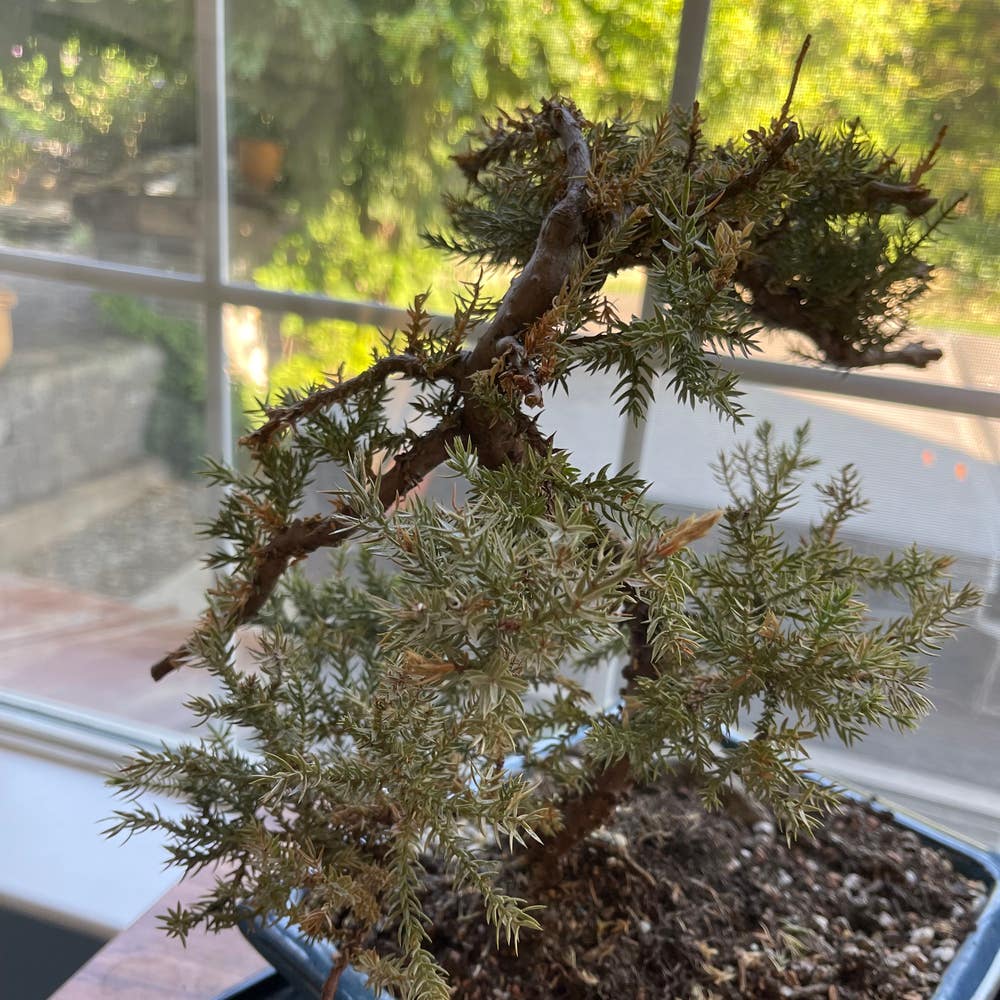
Look for discoloration, as brown or brittle branches indicate damage. Healthy branches should feel firm, so check for softness as well.
Remove any branches that are crossing or rubbing against each other to prevent further damage and promote healthy growth.
✂️ Shaping the Plant for Aesthetics
When shaping your juniper, maintain its natural mounding shape. Trim strategically to enhance this form while ensuring an even distribution of foliage.
Consider the surrounding landscape as well. Your juniper should harmonize with other plants in the area for a cohesive look.
📏 Techniques for Cutting (Angle, Depth)
Use a 45-degree angle for cuts to promote healing. This technique helps the plant recover more effectively.
Be mindful of the depth of your cuts; avoid cutting into the woody stem and focus on green growth. Clean cuts prevent tearing of the bark, reducing the risk of disease.
⏰ Timing for Pruning Green Mound Juniper
Best Seasons for Pruning
The best time to prune is late winter to early spring, just before new growth begins. Early summer is also suitable for light shaping and maintenance.
Avoid pruning in the fall, as this can increase the risk of winter damage to your plant.
📅 Signs That Indicate When to Prune
Watch for new growth as a sign that it's time to prune. When new shoots begin to emerge, it's a good indicator.
Additionally, keep an eye out for dead branches identified during seasonal checks. If the plant starts encroaching on pathways or other plants, it’s time for a trim.
🌼 Deadheading Green Mound Juniper
Explanation of Deadheading and Its Benefits
Deadheading involves removing spent flowers or dead foliage. This practice encourages new growth, improves the plant's appearance, and helps prevent disease.
By keeping your juniper tidy, you enhance its overall health and aesthetics.
Step-by-Step Instructions for Deadheading
- Identify spent flowers or dead foliage.
- Use clean pruners to cut back to the nearest healthy leaf or branch.
- Remove any debris from around the base of the plant to keep the area clean.
🕒 When to Deadhead for Optimal Results
The best time to deadhead is late spring to early summer, right after flowering. Throughout the growing season, monitor for ongoing dead foliage that may need attention.
⚠️ Common Mistakes in Pruning Juniper
Over-Pruning and Its Consequences
One of the biggest risks is over-pruning, which can weaken the plant and reduce foliage density. This makes it more susceptible to pests.
Signs of over-pruning include sparse foliage and stunted growth, so be cautious with your cuts.
❌ Incorrect Cutting Techniques
Common errors include cutting too deep or at the wrong angle. These mistakes can lead to increased risk of disease and poor healing.
Always aim for clean, precise cuts to maintain plant health.
🚨 Ignoring Plant Health Indicators
Regular monitoring for pests and diseases is crucial. Signs of neglect, such as yellowing leaves or wilting, should not be ignored.
By staying vigilant, you can ensure your Green Mound Juniper remains healthy and vibrant.
With these techniques in hand, you're well-equipped to care for your juniper. Next, let’s explore the best practices for timing your pruning efforts.
⚠️ Safety First
This content is for general information and may contain errors, omissions, or outdated details. It is not medical, veterinary advice, or an endorsement of therapeutic claims.
Always consult a qualified healthcare professional before using any plant as food, medicine, or supplement.
Never eat any plant (or feed one to pets) without confirming its identity with at least two trusted sources.
If you suspect poisoning, call Poison Control (800) 222-1222, the Pet Poison Helpline (800) 213-6680, or your local emergency service immediately.
Spotted an error? Please report it here.
Trim your Green Mound Juniper for vibrant growth 🌱 and let Greg guide you with tailored reminders and expert tips to keep your plant thriving all year long!