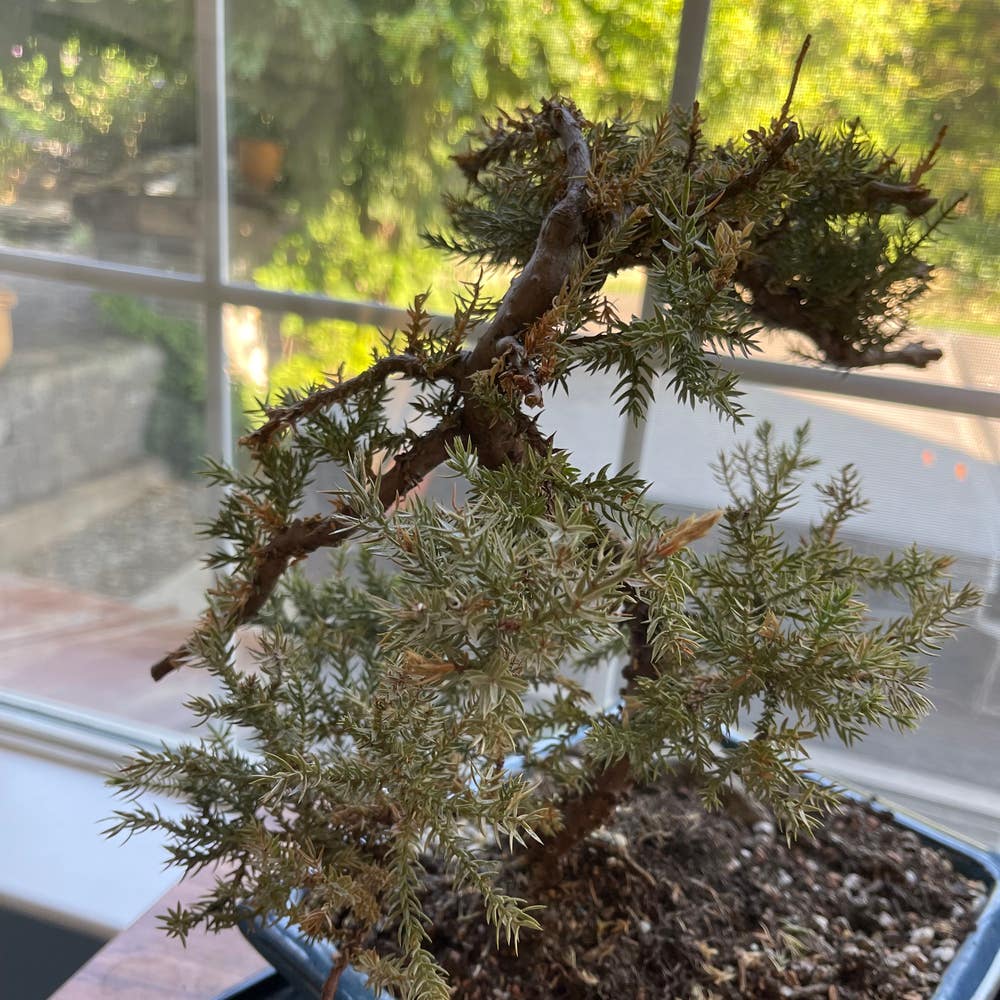
🩹 How to Fix Root Rot in Your Green Mound Juniper
Juniperus procumbens
By the Greg Editorial Team
Oct 17, 2024•5 min read
This article was created with the help of AI so we can cover more plants for you. May contain errors. See one? Report it here.
Revive your Green Mound Juniper from root rot 🌱 with these essential tips for treatment and prevention!
- 🌱 Treat root rot by inspecting and trimming damaged roots for effective recovery.
- 💧 Prevent future rot with well-draining soil and careful watering practices.
- 🔍 Monitor symptoms early to differentiate root rot from other plant issues.
Treating Root Rot
Step-by-Step Treatment Process 🌱
Remove the plant from its pot or ground. This initial step is crucial to assess the extent of the root rot.
Inspect the roots: Use sterilized scissors to cut away any dark, mushy roots. Healthy roots should be firm and white, so be thorough in your examination.
Clean the root system: Rinse the roots gently under water to remove any lingering soil. This helps you get a clearer view of the damage.
Prepare a new potting mix: Opt for well-draining soil, mixing in perlite or sand. This will help prevent future water retention issues.
Replant the Juniper: Ensure the root ball is level with the soil surface. This positioning is vital for the plant's stability and health.
Water sparingly: Allow the soil to dry out between waterings. Overwatering can quickly lead back to root rot.
Recommended Fungicides or Treatments 🧪
Copper-based fungicides: These are effective against root rot pathogens. They can help eliminate harmful fungi in the soil.
Biological treatments: Consider using mycorrhizal fungi to promote healthy root growth. These beneficial fungi can enhance nutrient uptake.
Homemade remedies: A baking soda solution can be effective for mild infections. It’s a simple and natural way to combat root rot.
By following these steps and utilizing the right treatments, you can give your Green Mound Juniper a fighting chance against root rot. Next, let’s explore how to prevent this issue from arising in the first place.
Preventing Root Rot
🌱 Best Soil Types
To keep your Green Mound Juniper thriving, start with well-draining soil. A mix of loamy soil, sand, and perlite creates the perfect environment for healthy roots.
Aim for a soil pH that is slightly acidic to neutral. This balance helps your plant absorb nutrients effectively.
Avoid heavy clay soils at all costs. They retain too much water, increasing the risk of root rot.
💧 Watering Practices
Watering frequency is crucial for prevention. Always allow the top inch of soil to dry out before giving your plant another drink.
Seasonal adjustments are also important. Reduce watering during cooler months when your Juniper's growth slows down.
Consider using moisture meters. They provide accurate readings of soil moisture, helping you avoid overwatering.
🕳️ Importance of Drainage and Aeration
Ensure your pots have adequate drainage holes. This simple step prevents water from pooling at the bottom, which can lead to root rot.
Raised beds are a fantastic option for garden settings. They improve drainage and allow excess water to escape easily.
Don’t underestimate the power of mulching. A layer of mulch retains moisture while preventing waterlogging, keeping your roots happy and healthy.
By following these preventive measures, you can significantly reduce the risk of root rot in your Green Mound Juniper. Next, let’s explore how to identify root rot early on, so you can act swiftly if needed.
Identifying Root Rot
Visual Signs to Look For 🌿
Identifying root rot early can save your Green Mound Juniper. Look for leaf discoloration, where foliage turns yellow or brown, signaling distress.
Another key indicator is stunted growth. If your plant isn’t producing new shoots or branches, it may be struggling. Lastly, a foul odor from the soil or roots often points to decay, a sure sign of root rot.
Root Examination Techniques 🔍
To confirm root rot, start by gently removing the plant from the soil. Be careful not to damage the roots during this process.
Next, inspect the roots for color and texture. Healthy roots should be firm and white. If you notice dark or mushy roots, it’s time to take action. Using a magnifying glass can help you spot any fungal growth or pests that might be lurking.
Differentiating Root Rot from Other Issues ⚖️
Not all plant problems are due to root rot. Compare symptoms to distinguish between root rot and issues like pests or nutrient deficiencies.
Conduct a soil moisture assessment to determine if overwatering or underwatering is the culprit. Lastly, perform a leaf drop analysis to see if environmental stress is causing leaves to fall. Understanding these differences is crucial for effective treatment.
With these identification techniques, you can tackle root rot head-on. Next, let’s explore how to treat this pesky problem effectively.
Post-Treatment Care
Recovery Signs to Monitor 🌱
After treating root rot, keep an eye out for new growth. Fresh leaves or shoots indicate that your Green Mound Juniper is on the mend.
Another positive sign is improved color. If the foliage returns to a vibrant green, it’s a good indication that the plant is recovering.
Lastly, check the root health. Firm, healthy roots during inspection suggest that the treatment was effective.
Ongoing Care Tips 🧑🌾
Regular monitoring is crucial. Check soil moisture and plant health weekly to ensure your Juniper continues to thrive.
Adjust your watering schedule based on seasonal changes. This helps cater to the plant's needs as the environment shifts.
Fertilization is also key. Use balanced fertilizers to support recovery and promote healthy growth.
When to Seek Professional Help 🆘
If you notice persistent symptoms, it may be time to consult an expert. If root rot symptoms do not improve after treatment, professional advice can be invaluable.
Severe infestations require immediate attention. If fungal infections spread beyond control, don’t hesitate to reach out for help.
Lastly, consider consulting a horticulturist for tailored solutions. Their expertise can guide you through complex issues and ensure your plant's long-term health.
Transitioning from treatment to ongoing care is essential for your Green Mound Juniper's recovery. With the right attention and care, your plant can flourish once again.
⚠️ Safety First
This content is for general information and may contain errors, omissions, or outdated details. It is not medical, veterinary advice, or an endorsement of therapeutic claims.
Always consult a qualified healthcare professional before using any plant as food, medicine, or supplement.
Never eat any plant (or feed one to pets) without confirming its identity with at least two trusted sources.
If you suspect poisoning, call Poison Control (800) 222-1222, the Pet Poison Helpline (800) 213-6680, or your local emergency service immediately.
Spotted an error? Please report it here.
Revive your Green Mound Juniper from root rot and keep it thriving 🌱 with Greg's tailored care reminders and moisture monitoring to ensure a healthy future!