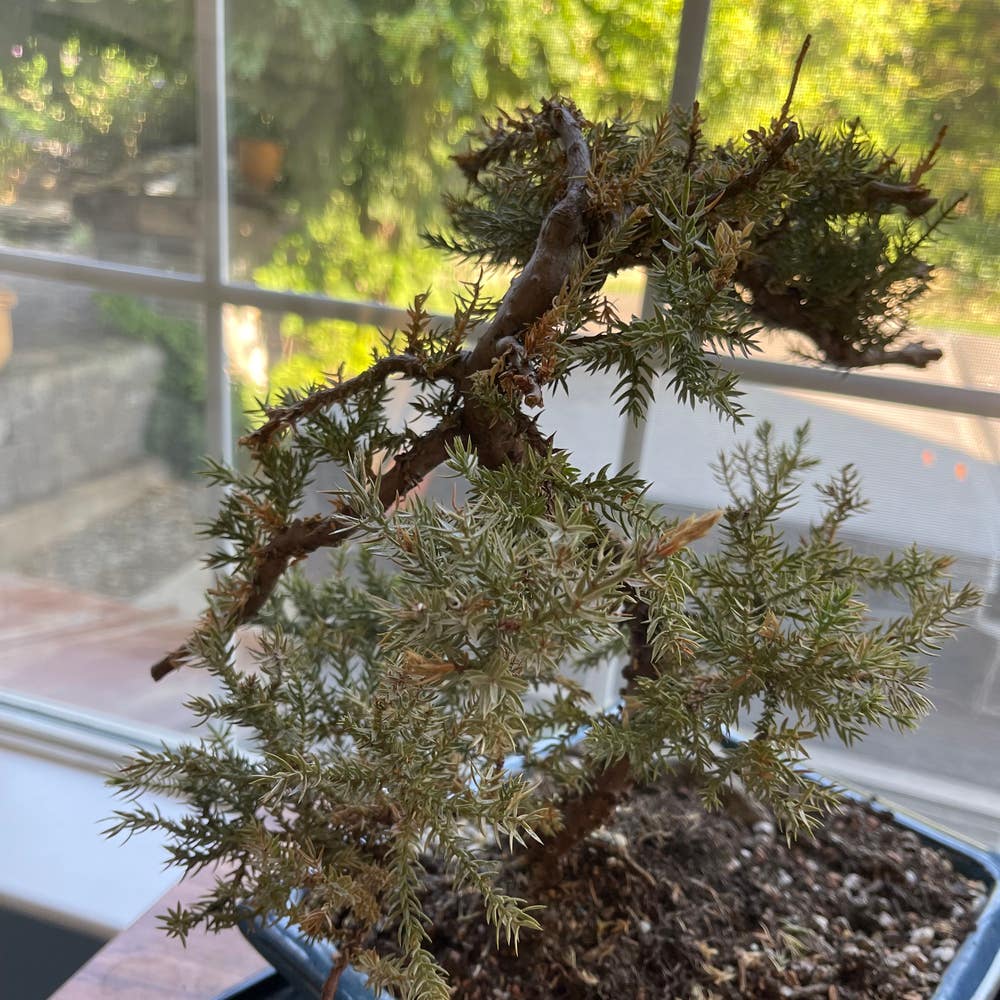
Top 5 Signs Your Green Mound Juniper Has Flower Problems 🐛
Juniperus procumbens
By the Greg Editorial Team
Oct 17, 2024•6 min read
This article was created with the help of AI so we can cover more plants for you. May contain errors. See one? Report it here.
Unlock vibrant blooms for your Green Mound Juniper 🌼 by identifying and solving common flowering issues today!
- 🌼 Lack of blooms signals flower problems in Green Mound Junipers.
- 🌱 Nutritional deficiencies and poor soil hinder flower development.
- 🌞 Ensure 6-8 hours of sunlight daily for optimal blooming success.
Signs of Flower Problems
🌼 Identifying Flowering Issues
Noticing fewer or no blooms during the expected flowering cycle can be disheartening. This lack of blooms is often the first sign that your Green Mound Juniper is facing flower problems.
Another common issue is premature flower drop, where flowers fall off before they fully develop. This can leave your plant looking bare and unappealing.
Abnormal flower development is also a key indicator. If you see flowers that are deformed or stunted, it’s a clear sign that something is amiss.
Additionally, keep an eye on the overall health of your plant. Yellowing leaves or stunted growth may accompany these flowering issues, signaling that your juniper needs some attention.
Understanding these signs is crucial for maintaining a healthy and vibrant Green Mound Juniper. By identifying these problems early, you can take the necessary steps to restore its beauty and vitality.
Next, let’s explore the potential causes behind these flowering issues.
Failure to Bloom
🌞 Potential Causes
Light Requirements
Insufficient sunlight is a primary culprit for the Green Mound Juniper's failure to bloom. This plant thrives in full sun, requiring 6-8 hours of direct sunlight daily to produce vibrant flowers.
Prolonged shade can significantly inhibit blooming, leading to disappointing results during the flowering season.
Nutritional Deficiencies
A lack of essential nutrients can also hinder flower development. Nitrogen, phosphorus, and potassium are crucial for robust blooms.
Soil testing is vital to assess nutrient levels, ensuring your plant receives what it needs to flourish.
Environmental Stress
Drought conditions can stress the plant, leading to a lack of blooms. Insufficient watering during dry spells can severely impact flowering.
Additionally, poor soil conditions, such as compacted or poorly draining soil, can affect root health and ultimately inhibit blooming.
🛠️ Solutions and Remedies
Adjust light exposure: Ensure your Green Mound Juniper receives adequate sunlight by repositioning it if necessary.
Fertilization: Use a balanced fertilizer during the growing season to address any nutrient deficiencies.
Watering practices: Implement a consistent watering schedule, especially during dry spells, to keep your plant hydrated and healthy.
By addressing these potential causes, you can help your Green Mound Juniper thrive and produce the beautiful blooms you desire. Next, let’s explore the issue of premature flower drop and how to tackle it effectively.
Premature Flower Drop
🌼 Identifying Symptoms
One of the first signs of premature flower drop is observing flowers falling off before they fully open. You might also notice this issue correlating with environmental changes or stress, such as sudden temperature shifts.
🚫 Causes
🐜 Pest Issues
Pests can be a significant culprit in flower drop. Infestations from pests like aphids or spider mites can damage flowers, leading to their premature fall.
🥴 Nutrient Deficiencies
Another common cause is a lack of specific nutrients, particularly phosphorus. This nutrient is crucial for flower retention, and its deficiency can lead to disappointing blooms.
🛠️ Solutions and Preventive Measures
Pest Management: Regularly inspect your Green Mound Juniper for pests. Use appropriate treatments like insecticidal soap to keep infestations at bay.
Nutritional Adjustments: Apply a phosphorus-rich fertilizer to support flower retention. This simple step can make a significant difference in your plant's blooming success.
Environmental Monitoring: Keep an eye on changes in weather or soil conditions that may stress the plant. Being proactive can help you catch issues before they escalate.
By addressing these factors, you can help your Green Mound Juniper thrive and enjoy a more vibrant bloom cycle. Next, let’s explore the impact of light and nutrition on flowering to ensure your plant gets everything it needs for optimal growth.
Abnormal Flower Development
Description of Abnormalities 🌼
Abnormal flower development can manifest in several ways. You might notice deformed flowers that are misshapen or stunted in growth, which can be quite alarming.
Additionally, color changes in the flowers can signal underlying issues. Unusual discoloration may indicate stress or nutrient deficiencies that need addressing.
Causes 🌱
Improper Pruning
One significant cause of abnormal flower development is improper pruning. Over-pruning can remove essential flower buds, severely impacting overall flower production.
Environmental Factors
Environmental conditions also play a crucial role. Temperature fluctuations, whether extreme heat or cold, can disrupt the delicate process of flower formation.
Solutions and Best Practices 🌟
To combat these issues, adopting proper pruning techniques is essential. Following best practices can help you avoid damaging flower buds, ensuring a healthier bloom.
Environmental control is equally important. Protect your plants from extreme weather conditions by using mulch or temporary coverings to create a more stable environment.
By addressing these factors, you can encourage robust flower development and enhance the beauty of your Green Mound Juniper. Next, let’s explore how light and nutrition impact flowering.
Impact of Light and Nutrition on Flowering
🌞 Importance of Adequate Light
Sunlight is crucial for your Green Mound Juniper. It plays a vital role in photosynthesis, which is essential for energy production and flower formation.
To maximize blooming, ensure your shrub is positioned in a sunny location. Aim for at least 6-8 hours of direct sunlight daily to keep it thriving.
🍽️ Nutritional Needs for Healthy Flowering
Nutritional balance is key to robust flower development. The primary nutrients your juniper needs are nitrogen, phosphorus, and potassium.
Consider enriching your soil with organic matter or fertilizers to boost fertility. Regular soil testing can help you identify any deficiencies and guide your amendments.
Pruning and Its Effects on Flowering
🌿 Best Pruning Practices
Timing is crucial when it comes to pruning your Green Mound Juniper. The ideal window is late winter to early spring, just before the growing season kicks in.
Using the right techniques is equally important. Prune carefully to avoid damaging the flower buds, ensuring you promote healthy blooms.
⏰ Timing and Techniques to Encourage Blooming
Seasonal pruning: Concentrate on removing dead or damaged branches to encourage new growth.
Shaping: Maintain the natural shape of the shrub. This not only looks good but also supports healthy growth and flowering.
Avoiding heavy cuts: Limit severe pruning to prevent stress and the loss of potential flower buds.
By following these practices, you can enhance your Green Mound Juniper's blooming potential. Next, let’s explore how light and nutrition play vital roles in flowering.
⚠️ Safety First
This content is for general information and may contain errors, omissions, or outdated details. It is not medical, veterinary advice, or an endorsement of therapeutic claims.
Always consult a qualified healthcare professional before using any plant as food, medicine, or supplement.
Never eat any plant (or feed one to pets) without confirming its identity with at least two trusted sources.
If you suspect poisoning, call Poison Control (800) 222-1222, the Pet Poison Helpline (800) 213-6680, or your local emergency service immediately.
Spotted an error? Please report it here.
Revitalize your Green Mound Juniper's blooms 🌼 by using Greg's tailored care reminders to ensure it gets the light and nutrition it craves!