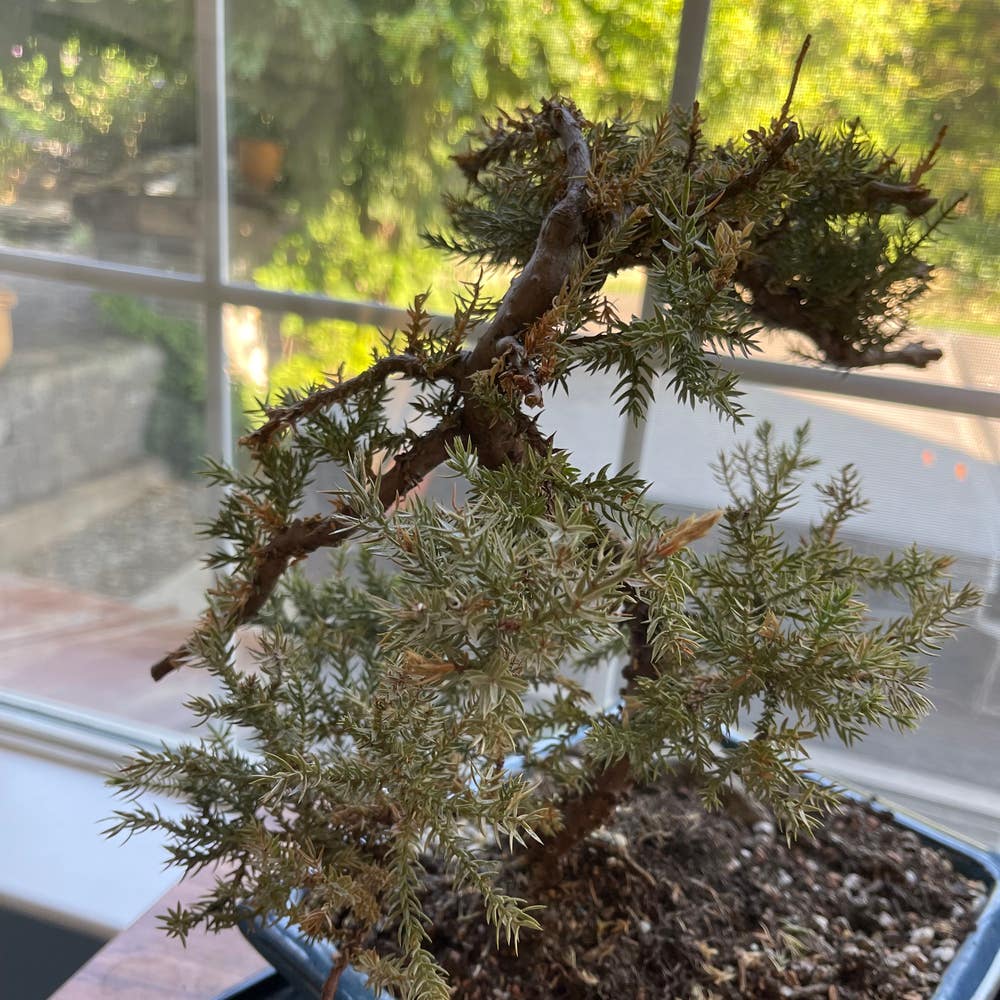
8 Essential Steps to Grow Healthy Green Mound Juniper 🌰
Juniperus procumbens
By the Greg Editorial Team
Oct 17, 2024•5 min read
This article was created with the help of AI so we can cover more plants for you. May contain errors. See one? Report it here.
Cultivate a stunning garden with thriving Green Mound Juniper by mastering essential planting and care tips! 🌱
- ☀️ Green Mound Juniper needs 6-8 hours of sunlight daily for optimal growth.
- 🌱 Well-drained sandy loam or gravelly soil is essential to prevent root rot.
- 💧 Water daily for the first week, then every 2-3 weeks once established.
Site Selection and Soil Preparation
🌞 Choosing the Right Location
To grow healthy Green Mound Juniper, start by selecting a spot that receives full sun. Aim for at least 6-8 hours of sunlight daily to ensure optimal growth.
Drainage is crucial as well. Choose well-drained areas to prevent root rot, which can be detrimental to your plant's health.
🌱 Soil Type and pH Requirements
Next, consider the soil type. Green Mound Juniper thrives in sandy loam or gravelly soils, which provide the right texture for root development.
The soil pH should be slightly acidic to neutral, ideally between 6.0 and 7.0. This range supports nutrient availability and overall plant vigor.
🧑🌾 Preparing the Soil for Planting
Preparation is key for successful planting. Start by clearing the area of weeds and debris to create a clean slate.
Amend the soil with organic matter, such as compost, to enhance drainage and fertility. This step will give your juniper a nutrient-rich environment to grow.
Finally, test the soil pH. If it falls outside the ideal range, adjust it using lime to raise pH or sulfur to lower it. This ensures your juniper has the best possible start.
With the right location and soil preparation, you're setting the stage for a thriving Green Mound Juniper. Next, let’s dive into the planting techniques that will help you establish your new plant successfully.
Planting Techniques
Step-by-Step Planting Instructions 🌱
Planting Green Mound Juniper is straightforward and rewarding.
- Dig a Hole: Start by digging a hole that is twice the width of the root ball and the same depth.
- Prepare the Plant: Carefully remove the plant from its container, loosening any tightly bound roots to encourage growth.
- Position the Plant: Place the plant in the hole, ensuring the top of the root ball is level with the soil surface.
- Backfill: Gently backfill the hole with soil, firming it around the base to eliminate air pockets.
- Water Thoroughly: After planting, give the plant a good soak to help it settle in.
Spacing Considerations for Outdoor Planting 📏
Proper spacing is crucial for healthy growth.
- Recommended Spacing: Space your junipers 3-4 feet apart to allow for optimal growth and air circulation.
- Mature Size: Always consider the mature size of the plants when planning your landscape layout.
Container Planting Tips 🪴
Container planting can be a great option for Green Mound Juniper.
- Choose the Right Container: Select a container with drainage holes, ideally at least 12-16 inches in diameter.
- Use Quality Potting Mix: Fill it with a well-draining potting mix to prevent waterlogging.
- Sunlight Positioning: Ensure the container is placed in a location that receives full sun for best results.
With these planting techniques, you’re well on your way to establishing a thriving Green Mound Juniper. Next, let’s explore how to properly care for your new plants through effective watering and fertilizing practices.
Watering and Fertilizing
💧 Watering Frequency and Techniques
Watering your Green Mound Juniper correctly is crucial for its health. Initially, water daily for the first week after planting to help establish roots.
Once established, water every 2-3 weeks during dry spells. Deep watering is essential; it encourages roots to grow deeper into the soil, making your plant more resilient.
🌱 Best Fertilizers for Green Mound Juniper
Choosing the right fertilizer can make a significant difference in growth. Slow-release, balanced NPK fertilizers, such as 10-10-10, are highly recommended.
If you prefer organic options, compost or well-rotted manure can provide excellent nutrients without the chemicals.
📅 Seasonal Fertilization Schedule
Timing your fertilization is key to promoting vigorous growth. Apply fertilizer in early spring as new growth begins to emerge.
For those looking to boost growth further, consider a second application in mid-summer. This can help your juniper thrive during the warmer months.
With proper watering and fertilizing, your Green Mound Juniper will flourish beautifully. Next, let’s explore essential pruning and maintenance techniques to keep your plant healthy and shapely.
Pruning and Maintenance
🌱 When and How to Prune Green Mound Juniper
The best time to prune your Green Mound Juniper is late winter or early spring, just before new growth begins. Use sharp, clean pruning shears to remove any dead or damaged branches, ensuring a healthy plant.
✂️ Maintaining Shape and Health
Regularly check your juniper for overgrowth and shape it as needed to maintain its aesthetic appeal. Removing dead or diseased foliage not only keeps the plant looking good but also promotes overall health.
🔍 Ongoing Care Routine
Keep an eye out for pests and diseases by monitoring your plant regularly. Mulching around the base helps retain moisture and suppress weeds, making your maintenance routine easier.
By following these pruning and maintenance tips, you'll ensure your Green Mound Juniper thrives beautifully. Next, let’s explore common challenges and solutions to keep your plant in top shape.
Common Challenges and Solutions
🐛 Identifying and Managing Pests and Diseases
Green Mound Juniper can face a few pesky invaders. Common culprits include spider mites, aphids, and scale insects.
To combat these pests, consider using insecticidal soap or neem oil. Introducing beneficial insects, like ladybugs, can also help keep these nuisances at bay.
🌧️ Addressing Environmental Stressors
Drought can be a significant stressor for your juniper. Look for signs like browning foliage, which indicates it’s time to increase your watering frequency.
Frost poses another challenge, especially for young plants. Protect them by wrapping with burlap or frost cloth during cold snaps to ensure they thrive.
🌱 Troubleshooting Common Growth Issues
Root rot is a serious concern, often indicated by wilting and yellowing leaves. To prevent this, ensure your planting area has proper drainage.
If you notice poor growth, it might be due to nutrient deficiencies. Regularly check your fertilization routine and adjust as needed to keep your juniper healthy and vibrant.
By staying vigilant and proactive, you can effectively manage these challenges and enjoy a flourishing Green Mound Juniper. Next, let’s explore the essential pruning and maintenance techniques to keep your plants in top shape.
⚠️ Safety First
This content is for general information and may contain errors, omissions, or outdated details. It is not medical, veterinary advice, or an endorsement of therapeutic claims.
Always consult a qualified healthcare professional before using any plant as food, medicine, or supplement.
Never eat any plant (or feed one to pets) without confirming its identity with at least two trusted sources.
If you suspect poisoning, call Poison Control (800) 222-1222, the Pet Poison Helpline (800) 213-6680, or your local emergency service immediately.
Spotted an error? Please report it here.
Transform your Green Mound Juniper into a thriving beauty 🌿 with Greg's tailored care reminders and expert tips that ensure optimal sunlight, soil, and maintenance for your garden!