🌸 5 Steps to a Healthy Outdoor Japanese Garden Juniper
Juniperus procumbens
By the Greg Editorial Team
Oct 09, 2024•6 min read
This article was created with the help of AI so we can cover more plants for you. May contain errors. See one? Report it here.
Master the essentials of sunlight, water, and soil to make your Japanese garden juniper thrive! 🌱
- ☀️ Junipers need 6-8 hours of sunlight daily for optimal growth and health.
- 💧 Water new plants every 2-3 days; established ones need watering every 1-2 weeks.
- 🌱 Well-drained soil with pH 6.0-7.0 is crucial for nutrient availability and growth.
Sunlight Needs
Optimal Sunlight Exposure 🌞
For a thriving outdoor Japanese garden juniper, aim for 6-8 hours of direct sunlight daily. While these plants can tolerate partial shade, they may become leggy and less vibrant in dappled sunlight.
Effects of Insufficient Sunlight 🌑
Insufficient sunlight can lead to stunted growth and sparse foliage. This lack of light also increases susceptibility to pests, making it crucial to prioritize sunlight for photosynthesis and overall health.
Understanding these sunlight needs will set the foundation for your juniper's success. Next, let’s explore the essential watering requirements to keep your garden flourishing.
Watering Requirements
Establishment Phase 🌱
When you first plant your Japanese garden juniper, deep watering is crucial. This helps establish strong roots, so make sure to soak the soil thoroughly right after planting.
For the first month, water every 2-3 days. This consistent moisture is key to helping your juniper settle in and thrive.
Established Plants 🌳
Once your juniper is established, adjust your watering routine. Typically, watering every 1-2 weeks is sufficient, but keep an eye on rainfall to avoid overdoing it.
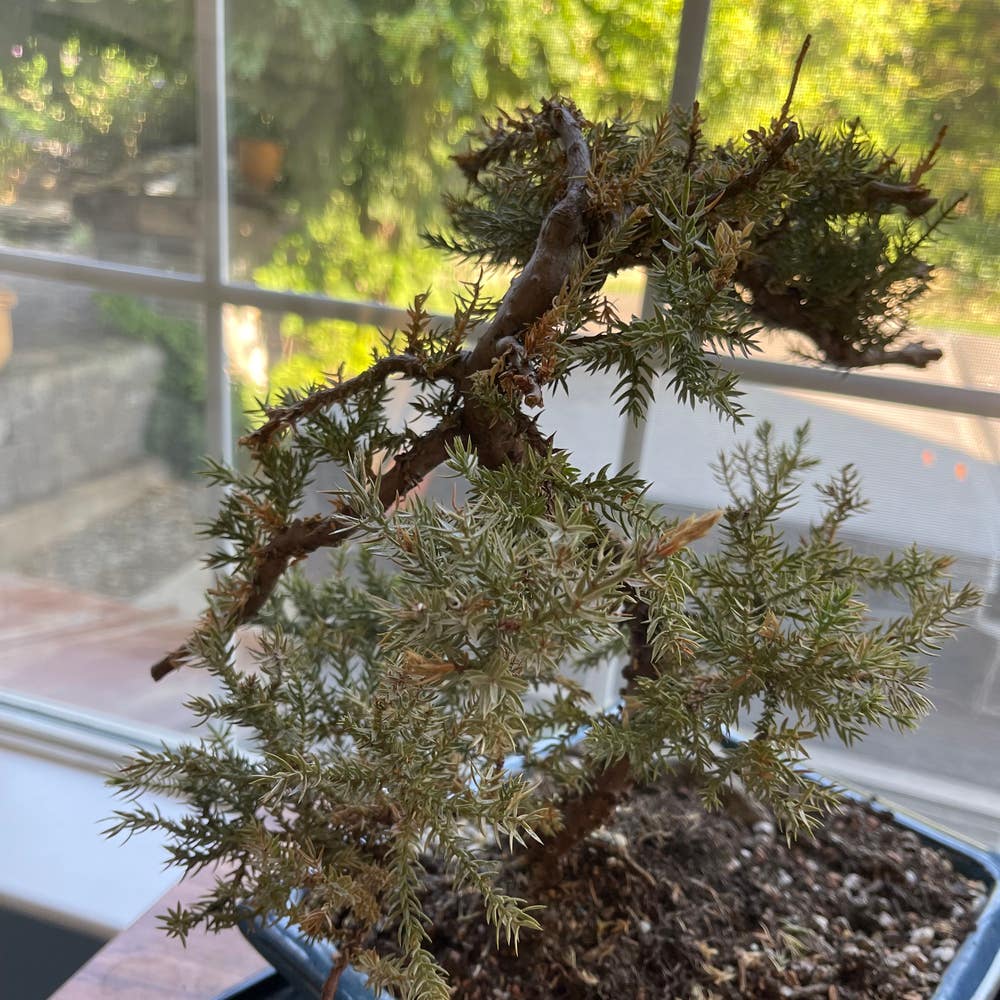
Watch for signs of underwatering, like wilting or browning foliage. Conversely, yellowing leaves and root rot indicate you might be giving it too much water.
By understanding these watering needs, you can ensure your juniper remains healthy and vibrant. Next, let’s explore the ideal soil preferences for your outdoor Japanese garden.
Soil Preferences
Ideal Soil Composition 🌱
For a thriving outdoor Japanese garden juniper, the right soil is crucial. Aim for well-drained, sandy, or rocky soil to promote healthy root development.
The ideal soil pH ranges from slightly acidic to neutral, specifically between 6.0 and 7.0. This balance ensures that nutrients are readily available for your juniper.
Soil Amendments 🧑🌾
To enhance your soil, consider adding organic matter. This not only improves drainage but also boosts nutrient content, creating a fertile environment for growth.
Mulching is another effective strategy. A layer of mulch helps retain moisture while suppressing weeds, allowing your juniper to flourish without competition for resources.
With the right soil conditions established, your juniper will be well-equipped to thrive. Next, let’s explore the essential fertilization guidelines to keep your garden vibrant and healthy.
Fertilization Guidelines
🕒 Timing and Frequency
To keep your outdoor Japanese garden juniper thriving, timing is everything. Fertilize in early spring and late summer to support growth during the active seasons.
Choose a slow-release, balanced NPK fertilizer, ideally with a ratio of 10-10-10. This ensures your plants receive a steady supply of nutrients without overwhelming them.
🧪 Application Methods
When applying fertilizer, consider using a granular method. Spread it evenly around the base of the plant, but avoid direct contact with the stems to prevent any potential damage.
Alternatively, liquid fertilizer can be a great option. Dilute it and apply during watering for quick absorption, giving your juniper an immediate nutrient boost.
With these fertilization guidelines, your juniper will be well-equipped to flourish. Next, let’s explore the soil preferences that will further enhance its growth.
Protection Strategies
🌦️ Weather Protection Techniques
Mulching is essential for your Juniper. Apply a 2-3 inch layer to insulate roots and retain moisture, ensuring your plant thrives even in fluctuating temperatures.
Windbreaks are another smart strategy. Use barriers like fences or shrubs to shield your garden from strong winds, which can damage delicate foliage.
🐛 Common Outdoor Pests and Control Methods
Identifying Outdoor Pests
Be vigilant about common pests that can invade your garden. Look out for spider mites, aphids, and scale insects, which can wreak havoc on your Juniper.
Signs of infestation include discoloration, webbing, or sticky residue on leaves. Early detection is key to preventing serious damage.
Pest Control
For pest control, consider organic methods first. Neem oil and insecticidal soap are effective options, and introducing beneficial insects can help maintain balance in your garden.
If necessary, chemical options are available, but use them sparingly and always follow label instructions to protect your plants and the environment.
🦠 Disease Prevention Strategies
Regular inspections are crucial for maintaining plant health. Check for signs of fungal infections or root rot, as early intervention can save your Juniper.
Proper spacing is also vital. Ensure good air circulation around your plants to prevent fungal growth and promote overall health.
By implementing these protection strategies, you can create a resilient outdoor Japanese garden that flourishes through every season. Next, let’s explore the seasonal care your Juniper needs to thrive year-round.
Seasonal Care
Spring Care: Pruning and Fertilization 🌱
Spring is the perfect time to rejuvenate your Japanese garden juniper. Start by pruning away any dead or damaged branches; this encourages healthy new growth.
Next, apply a slow-release fertilizer as the new growth begins. This will provide essential nutrients and set the stage for a vibrant season ahead.
Summer Care: Watering and Pest Monitoring ☀️
As temperatures rise, your juniper will need increased watering. Keep an eye on moisture levels, especially during dry spells, to ensure your plant stays hydrated.
Additionally, summer is prime time for pests. Regularly check for signs of infestations and treat them promptly to keep your garden healthy.
Fall Care: Preparing for Winter 🍂
As fall approaches, it's time for final pruning. Shape your juniper and remove any dead material to prepare it for the colder months.
Don't forget to add a fresh layer of mulch around the base. This will help protect the roots from frost and retain moisture.
Winter Care: Protection from Cold and Snow ❄️
Winter can be harsh, so take steps to protect your juniper. Cover it with burlap or frost cloth to shield it from heavy snow and ice.
Also, be cautious with watering during this season. Ensure the soil isn’t waterlogged to prevent root rot, which can be a hidden danger in cold weather.
With these seasonal care tips, your outdoor Japanese garden juniper will thrive year-round, ready to face whatever nature throws its way. Next, let’s delve into common problems and solutions to keep your garden in top shape.
Common Problems and Solutions
🐛 Identifying and Treating Pests
Regular inspections are key to maintaining a healthy outdoor Japanese garden juniper. Look for signs of common pests like spider mites, aphids, and scale insects, and take immediate action if you spot them.
For treatment, consider using organic methods such as neem oil or insecticidal soap. Chemical controls can be effective too, but use them sparingly and always follow label instructions.
🦠 Recognizing and Managing Diseases
Be vigilant for symptoms of diseases, which can manifest as yellowing leaves, wilting, or unusual growth patterns. Early detection is crucial for effective management.
Treatment options include applying fungicides or improving drainage to combat root rot. Addressing these issues promptly can save your plants from further damage.
🌪️ Troubleshooting Environmental Stress
Environmental stress can show up as browning foliage, stunted growth, or leaf drop. These signs indicate that your juniper may need some adjustments in care.
To alleviate stress, consider adjusting your watering schedule, improving soil conditions, or providing additional shade. Small changes can make a big difference in your plant's health.
By staying proactive and attentive, you can ensure your Japanese garden juniper thrives despite common challenges. Next, let's explore seasonal care to keep your garden flourishing year-round.
⚠️ Safety First
This content is for general information and may contain errors, omissions, or outdated details. It is not medical, veterinary advice, or an endorsement of therapeutic claims.
Always consult a qualified healthcare professional before using any plant as food, medicine, or supplement.
Never eat any plant (or feed one to pets) without confirming its identity with at least two trusted sources.
If you suspect poisoning, call Poison Control (800) 222-1222, the Pet Poison Helpline (800) 213-6680, or your local emergency service immediately.
Spotted an error? Please report it here.
Cultivate a thriving Japanese garden juniper 🌳 by mastering sunlight, watering, and pest control, and let Greg provide tailored reminders to keep your plants flourishing all year round!