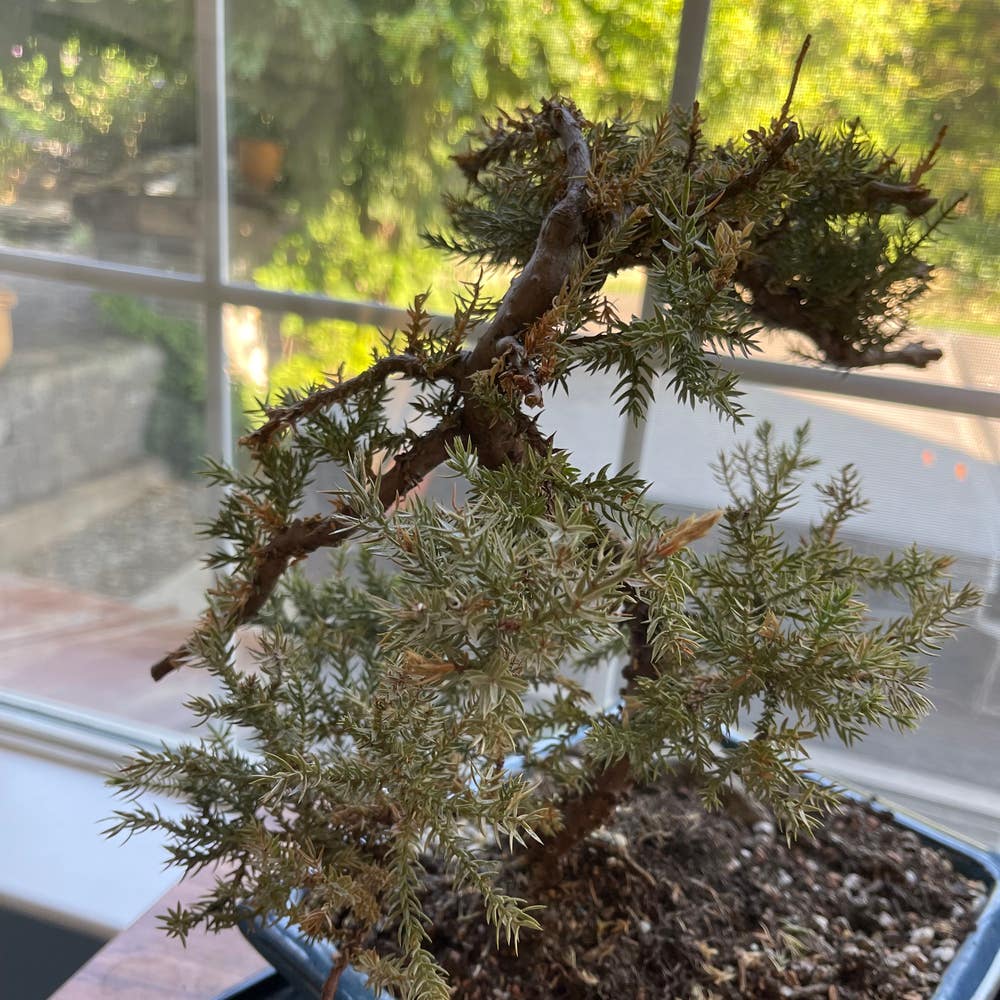
Japanese Garden Juniper: Not an Annual 🌳
Juniperus procumbens
By the Greg Editorial Team
Oct 09, 2024•5 min read
This article was created with the help of AI so we can cover more plants for you. May contain errors. See one? Report it here.
Elevate your garden with the resilient Japanese Garden Juniper, a stunning low-maintenance plant that thrives anywhere! 🌿
- 🌲 Japanese Garden Juniper is a hardy evergreen, perfect for low-maintenance landscaping.
- 💧 Drought-tolerant and thrives in poor soil, making it ideal for various environments.
- 🌿 Long lifecycle and vibrant growth ensure year-round beauty in your garden.
Genetic and Physiological Characteristics
🌱 Genetic Traits
The Japanese Garden Juniper belongs to the Cupressaceae family, a group known for its hardy conifers. This plant features a low-growing, spreading form, making it an excellent choice for ground cover in various landscapes.
Its evergreen nature ensures that it retains foliage year-round, providing consistent visual interest. This trait is particularly valuable in garden design, as it maintains a lush appearance even in winter.
🌿 Physiological Adaptations
One of the standout features of the Japanese Garden Juniper is its remarkable tolerance to poor soil and drought conditions. This resilience allows it to thrive in less-than-ideal environments, making it a favorite among gardeners seeking low-maintenance options.
The plant's needle-like leaves are designed to reduce water loss, a crucial adaptation for survival in arid conditions. Additionally, its deep and extensive root system efficiently absorbs nutrients and moisture, ensuring robust growth and vitality.
With these genetic and physiological traits, the Japanese Garden Juniper not only enhances garden aesthetics but also stands as a testament to nature's adaptability. As we explore its lifecycle and growth patterns next, you'll see how these characteristics contribute to its longevity and beauty in the garden.
Lifecycle and Growth Patterns
Long-Term Lifecycle 🌳
Japanese Garden Juniper exhibits a fascinating growth pattern. Initially, it experiences slow growth, but this is followed by a steady expansion that can transform your garden over time.
This plant can live for decades, making it a valuable addition to any landscape. Its longevity contributes significantly to the aesthetics of your garden, providing a sense of permanence and stability.
Seasonal Behavior 🌸
Understanding its seasonal behavior is crucial for effective care. In winter, the juniper enters a state of dormancy, conserving energy until the warmer months.
As spring arrives, it springs back to life, showcasing vibrant growth throughout the summer. This cycle not only enhances the garden's visual appeal but also aligns with natural rhythms.
Reproductive Strategies 🌱
Japanese Garden Juniper focuses on longevity and survival through unique reproductive strategies. It often propagates vegetatively, ensuring that its presence continues even in challenging conditions.
Additionally, it produces small, berry-like cones that mature over time. These cones not only add interest but also play a role in the plant's reproductive cycle, contributing to its resilience.
This understanding of lifecycle and growth patterns sets the stage for effective garden design and care strategies. Next, we’ll explore common misconceptions and exceptions regarding this remarkable plant.
Misconceptions and Exceptions
🌪️ Conditions Leading to Misclassification
Misunderstandings about Japanese Garden Juniper often stem from environmental stress. Extreme weather conditions can lead to dieback, making it appear as if the plant is not perennial.
Improper care also plays a significant role in misclassification. Overwatering or poor soil conditions can hinder growth, leading gardeners to mistakenly believe the plant is an annual.
🌍 Regional Variations
Climate significantly impacts the growth patterns of Japanese Garden Juniper. In colder regions, it may exhibit shorter growth cycles, which can confuse gardeners about its perennial nature.
Soil conditions are another factor to consider. Poor drainage can lead to misinterpretation of the plant's resilience, causing it to struggle and appear less robust than it truly is.
Understanding these misconceptions can help gardeners appreciate the true nature of Japanese Garden Juniper and ensure its successful cultivation.
Garden Design Implications
Benefits in Perennial Planting 🌱
Japanese Garden Juniper is a fantastic choice for low-maintenance landscaping. Its drought-resistant nature makes it hardy and adaptable to various environments.
Evergreen foliage ensures that your garden remains visually appealing throughout the year. This consistent greenery adds depth and interest, no matter the season.
Incorporation Strategies 🎨
This juniper shines in rock gardens, where its low-growing form complements stones and other plants beautifully. It also works well as a filler in perennial beds, providing a lush backdrop for flowering plants.
Its unique growth habit allows for creative artistic designs. You can shape it to fit your vision, making it a versatile addition to any garden layout.
Incorporating Japanese Garden Juniper not only enhances aesthetics but also simplifies maintenance. Its resilience and beauty make it a must-have for any garden enthusiast.
As you consider your garden design, think about how this juniper can elevate your space. Next, let’s explore how to maximize its longevity for years of enjoyment.
Maximizing Longevity
🌱 Management Tips
To ensure your Japanese garden juniper thrives, deep watering during dry spells is essential. This practice encourages robust root development, allowing the plant to access nutrients and moisture more effectively.
Applying mulch around the base of the plant is another simple yet effective strategy. Mulch helps retain soil moisture and suppresses weeds, creating a healthier environment for your juniper.
🌿 Best Practices for Care
Regular trimming is key to maintaining the juniper's shape and promoting healthy growth. This moderate effort pays off by keeping your garden looking tidy and vibrant.
Using slow-release fertilizers can significantly support the long-term health of your juniper. This practice ensures that your plant receives a steady supply of nutrients over time, enhancing its resilience.
❄️ Seasonal Considerations
During extreme cold, mulching and covering your juniper can provide much-needed protection. This easy step helps insulate the plant and prevents damage from harsh winter conditions.
Keep an eye out for new growth as the seasons change. Monitoring your juniper allows you to adjust care practices accordingly, ensuring it remains healthy and vibrant throughout the year.
As you implement these strategies, you'll not only enhance the longevity of your Japanese garden juniper but also enjoy its beauty for years to come. Next, let’s explore the garden design implications of incorporating this resilient plant into your landscape.
⚠️ Safety First
This content is for general information and may contain errors, omissions, or outdated details. It is not medical, veterinary advice, or an endorsement of therapeutic claims.
Always consult a qualified healthcare professional before using any plant as food, medicine, or supplement.
Never eat any plant (or feed one to pets) without confirming its identity with at least two trusted sources.
If you suspect poisoning, call Poison Control (800) 222-1222, the Pet Poison Helpline (800) 213-6680, or your local emergency service immediately.
Spotted an error? Please report it here.
Transform your garden with the evergreen beauty of the Japanese Garden Juniper 🌿, and let Greg guide you with tailored care tips to ensure it thrives for years to come!