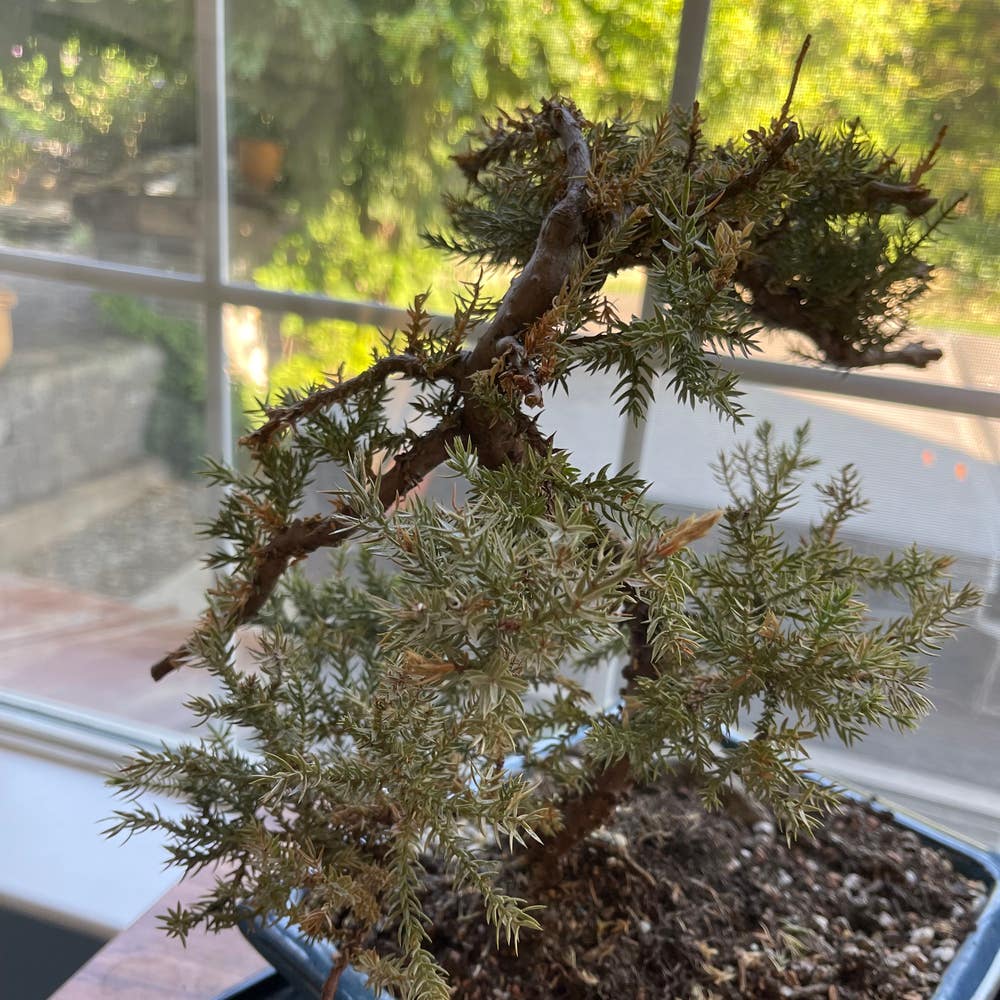
Best Japanese Garden Juniper Varieties 🌳
Juniperus procumbens
By the Greg Editorial Team
Oct 09, 2024•5 min read
This article was created with the help of AI so we can cover more plants for you. May contain errors. See one? Report it here.
Transform your garden with vibrant juniper cultivars that offer beauty and low-maintenance charm! 🌱
- 🌳 Japanese garden junipers offer diverse cultivars for unique aesthetics and growth habits.
- 🌱 Low maintenance and drought-tolerant, junipers are perfect for effortless gardening.
- 🎨 Seasonal color changes enhance visual appeal, making junipers a year-round garden favorite.
Popular Cultivars
🌟 Notable Cultivars
'Nana'
'Nana' is a beloved dwarf juniper known for its compact growth habit. Typically, it reaches heights of 1 to 2 feet and spreads about 3 to 4 feet, making it an excellent choice for smaller gardens.
The bright green foliage of 'Nana' transforms into a warm bronze during winter, adding seasonal interest to your landscape.
'Kishi'
Another popular option is 'Kishi,' a low-growing and compact variety. It generally grows to about 1 foot tall while spreading 3 to 4 feet wide.
Its rich green foliage boasts a dense texture, providing a lush appearance that enhances any garden setting.
'Shimpaku'
'Shimpaku' stands out with its unique foliage and form, often favored for bonsai cultivation. This cultivar can reach up to 3 feet tall, with a similar spread.
The variegated foliage showcases shades of green and yellow, creating a striking visual contrast in any landscape.
🌿 Other Popular Cultivars
In addition to the notable cultivars, several others are worth mentioning:
- 'Blue Pacific': Features a spreading habit with attractive blue-green foliage.
- 'Gold Coast': Offers golden-yellow foliage that brightens up landscapes.
- 'Pygmy': Extremely compact, making it ideal for small spaces.
These varieties not only add diversity to your garden but also provide unique aesthetics that can complement various landscaping styles.
As we explore the unique characteristics of each cultivar, you'll discover how their growth habits and foliage colors can enhance your garden's design.
Unique Characteristics of Each Cultivar
Growth Habits 🌱
Juniper cultivars exhibit a fascinating range of growth rates and forms. Some, like 'Nana,' are compact and slow-growing, while others, such as 'Shimpaku,' can reach greater heights and spreads.
These differences significantly impact landscape design. A low-growing variety can serve as an excellent ground cover, while taller cultivars can create focal points or provide vertical interest.
Foliage Colors 🎨
The color variations in junipers are truly captivating. From the bright green of 'Nana' to the rich hues of 'Kishi,' each cultivar brings its unique palette to the garden.
Seasonal changes also play a role in their appearance. Many junipers shift in color, with some turning bronze in winter, adding depth and interest throughout the year.
Special Features 🌟
Junipers are not just pretty; they come with notable traits like pest resistance and drought tolerance. These characteristics make them ideal for low-maintenance gardens.
Moreover, their unique forms and colors enhance garden aesthetics. Whether used as a backdrop or a centerpiece, junipers can elevate the overall design of any landscape.
As we explore hybrid and rare varieties next, consider how these unique characteristics can influence your choices in cultivating a Japanese garden.
Hybrid and Rare Varieties
🌱 Hybrid Varieties
Hybrid varieties of junipers are created by crossbreeding different cultivars. This process results in unique characteristics, such as enhanced resilience and distinct aesthetics.
Hybrids often exhibit improved disease resistance and adaptability, making them ideal for various landscapes. Their unique appearances can add a fresh twist to traditional garden designs.
🌟 Notable Rare Varieties
Rare juniper cultivars stand out for their unique features and limited availability. Two notable examples are 'Kiyomi' and 'Tama'.
- 'Kiyomi': This cultivar boasts striking, dense foliage with a rich green hue, perfect for adding texture to any garden.
- 'Tama': Known for its unique growth habit, 'Tama' features a compact form with vibrant, variegated leaves that catch the eye.
⚖️ Comparison of Hybrids vs. Traditional Cultivars
When comparing hybrids to traditional cultivars, care requirements can differ significantly. Hybrids often require less maintenance due to their resilience, while traditional varieties may need more attention.
Additionally, hybrids tend to grow faster and adapt better to changing environmental conditions. This makes them a popular choice for modern landscaping, where versatility and low upkeep are essential.
As you consider your options, think about how these hybrids can enhance your garden's aesthetic while simplifying your care routine.
Cultural Significance and Uses
🌳 Role in Landscape Design
Juniperus procumbens plays a pivotal role in traditional Japanese gardens. Its low-growing, sprawling nature creates a serene backdrop, enhancing the overall tranquility of the space.
Different cultivars contribute unique aesthetics, from the compact 'Nana' to the vibrant 'Gold Coast.' Each variety adds texture and color, making gardens visually appealing throughout the seasons.
📜 Historical Significance
The Japanese Garden Juniper has a rich history, dating back to ancient times. It has been a staple in both ancient and modern gardens, symbolizing resilience and longevity.
In Japanese culture, junipers are often associated with protection and purification. Their presence in gardens reflects a deep connection to nature and spirituality.
🌼 Modern Landscaping Applications
Today, junipers are increasingly popular in contemporary garden designs. Their versatility allows them to fit seamlessly into various landscaping styles, from minimalist to lush and vibrant.
Gardeners appreciate junipers for their low maintenance and adaptability. They thrive in diverse environments, making them a favorite choice for both novice and experienced landscapers.
As we explore the unique characteristics of each cultivar, we’ll uncover how to best care for these remarkable plants.
Cultivar-Specific Challenges
🐛 Common Issues Faced by Specific Cultivars
Junipers, while resilient, can face various pests and diseases. Common culprits include spider mites, scale insects, and root rot, which can affect specific cultivars differently.
Watch for symptoms like yellowing foliage, stunted growth, or webbing on leaves. Early identification is key to effective management.
🛠️ Solutions and Tips for Maintaining Unique Varieties
To keep your junipers thriving, tailor your care to each cultivar's needs. Regular pruning helps maintain shape and encourages healthy growth.
For pest control, consider using insecticidal soap or neem oil. These treatments are effective and less harmful to beneficial insects.
🌍 Environmental Factors Affecting Different Cultivars
Soil type, sunlight, and moisture levels play crucial roles in juniper health. Well-draining soil is essential, as junipers dislike soggy roots.
Most cultivars prefer full sun but can tolerate partial shade. Understanding these preferences can help you choose the right spot in your garden.
Adaptability varies among cultivars, so research specific needs to ensure optimal growth. This knowledge will enhance your landscaping efforts and keep your junipers looking their best.
As you navigate these challenges, remember that proper care and attention can lead to a flourishing garden. Next, we’ll explore the cultural significance and uses of these beautiful plants.
⚠️ Safety First
This content is for general information and may contain errors, omissions, or outdated details. It is not medical, veterinary advice, or an endorsement of therapeutic claims.
Always consult a qualified healthcare professional before using any plant as food, medicine, or supplement.
Never eat any plant (or feed one to pets) without confirming its identity with at least two trusted sources.
If you suspect poisoning, call Poison Control (800) 222-1222, the Pet Poison Helpline (800) 213-6680, or your local emergency service immediately.
Spotted an error? Please report it here.
Transform your garden with stunning Japanese junipers 🌲 that offer seasonal beauty and low upkeep, and let Greg provide personalized care tips to help your plants flourish effortlessly!