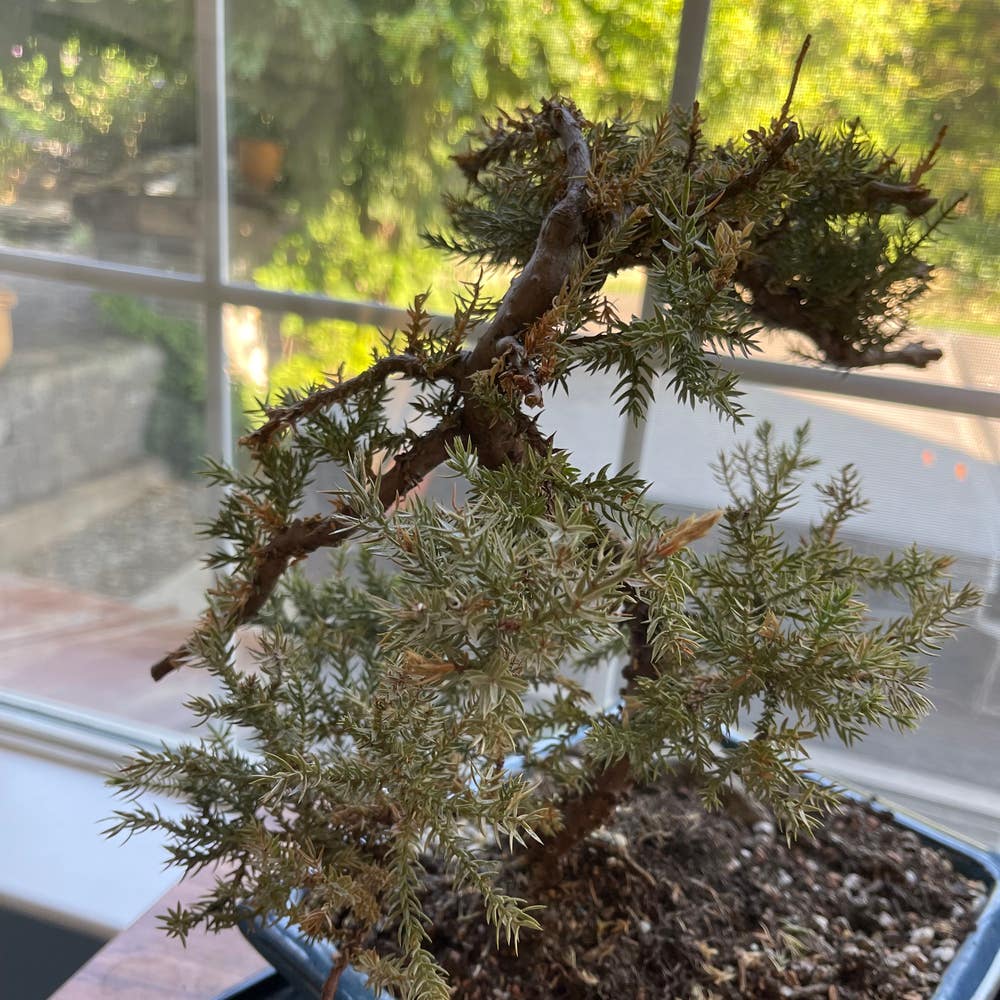
🌳 Step-by-Step Guide to Repotting Green Mound Juniper
Juniperus procumbens
By the Greg Editorial Team
Oct 17, 2024•6 min read
This article was created with the help of AI so we can cover more plants for you. May contain errors. See one? Report it here.
Unlock your Green Mound Juniper's full potential with this essential repotting guide for vibrant growth! 🌱
- 🌱 Choose a pot 1-2 inches larger for optimal growth of your Green Mound Juniper.
- 💧 Use well-draining soil and add drainage materials to prevent root rot.
- 🌿 Repot every 2-3 years in early spring for best results and healthy roots.
Step-by-Step Repotting Process
🌱 Preparing the New Pot and Soil
Choosing the right pot is crucial. Aim for one that is 1-2 inches larger in diameter than the current pot to give your Green Mound Juniper room to grow.
Next, select a well-draining potting soil, ideally formulated for Junipers. This ensures that your plant gets the drainage it needs to thrive.
Don’t forget to add drainage materials at the bottom of the pot. A layer of gravel or perlite will help prevent water from pooling, keeping the roots healthy.
🪴 Removing the Plant from Its Current Pot
When it's time to remove your Juniper, do so gently. Tap the sides of the pot and loosen the soil to make extraction easier.
Support the base of the plant as you pull it out. This minimizes the risk of damaging the roots, which is vital for a successful repot.
🔍 Inspecting and Trimming the Root System
Once out of the pot, assess the root health. Look for healthy white roots; these are a sign of a thriving plant.
If you spot any brown or mushy roots, it’s time to trim. Aim to remove up to 20% of the root mass to promote new growth and vitality.
🏺 Placing the Plant in the New Pot
Position your Juniper in the center of the new pot. Ensure the root crown is level with the soil surface for optimal growth.
Adjust the soil depth as needed. Make sure the roots are adequately covered, but avoid burying the crown to prevent rot.
🌍 Filling and Securing the Soil
As you fill the pot, gently pack the soil around the roots. This helps eliminate air pockets that could hinder root development.
Finally, lightly water the plant to settle the soil. This ensures good contact with the roots and sets the stage for a healthy transition.
With your Juniper repotted, it’s time to focus on post-repotting care to ensure it thrives in its new home.
Choosing the Right Pot Material
🌸 Benefits of ceramic pots
Ceramic pots are not just pretty; they bring a touch of elegance to your garden. Their insulation properties help maintain a stable soil temperature, protecting your green mound juniper from temperature extremes.
🪴 Advantages of plastic pots
Plastic pots are the unsung heroes of container gardening. They’re lightweight and easy to handle, making them perfect for those who like to rearrange their plants frequently.
⚙️ Drawbacks of metal pots
While metal pots can look sleek, they come with some downsides. They tend to retain heat, which can overheat roots in direct sunlight, and they risk corrosion over time, leading to potential degradation.
🌱 Considerations for biodegradable pots
Biodegradable pots are a fantastic eco-friendly choice for sustainable gardening. However, keep in mind that they may not last as long as traditional materials, so consider your plant's needs and your gardening style.
Choosing the right pot material is crucial for the health of your juniper. With the right pot, you set the stage for thriving growth and vibrant greenery. Next, let’s dive into post-repotting care to ensure your plant continues to flourish.
Post-Repotting Care
💧 Watering Guidelines After Repotting
After repotting your Green Mound Juniper, give it a thorough watering. This initial soak helps settle the soil and ensures good contact with the roots.
Moving forward, maintain a consistent watering schedule. Allow the top inch of soil to dry out between waterings to prevent overwatering, which can lead to root rot.
⚠️ Monitoring for Transplant Shock
Transplant shock is a common concern after repotting. Watch for signs like wilting, yellowing leaves, or slowed growth.
To mitigate shock, provide some shade for your plant during the adjustment period. Avoid fertilizing immediately, as this can stress the plant further.
✂️ Pruning Considerations Post-Repotting
Timing is crucial when it comes to pruning after repotting. Wait about 2-4 weeks to allow the plant to settle in.
When you're ready to prune, focus on removing any dead or damaged foliage. This encourages new growth and helps your Juniper thrive in its new home.
With proper care, your Green Mound Juniper will bounce back beautifully, setting the stage for a healthy future. Next, let’s explore common problems and solutions to keep your plant thriving.
Common Problems and Solutions
Signs of Overwatering or Underwatering 🌊
Recognizing the signs of overwatering is crucial for your Green Mound Juniper's health. Look for yellowing leaves and soggy soil, which indicate too much moisture.
On the flip side, underwatering manifests as brown, crispy foliage and dry soil. Both conditions can stress your plant, so keep a close eye on its watering needs.
Addressing Root Rot 🦠
Root rot is a serious issue that can quickly jeopardize your plant's health. You can identify it by soft, dark roots and a foul odor emanating from the soil.
If you suspect root rot, act fast. Remove the affected roots and repot your juniper in fresh, dry soil to give it a fighting chance.
Managing Pests After Repotting 🐜
Pests can be a nuisance, especially after repotting. Common culprits include aphids, spider mites, and scale, which can sap your plant's vitality.
To tackle these pests, consider using neem oil or insecticidal soap. These methods are effective and help keep your juniper thriving.
By staying vigilant and addressing these common issues, you can ensure your Green Mound Juniper remains healthy and vibrant. Next, let’s explore best practices for future repotting to keep your plant in top shape.
Best Practices for Future Repotting
🌱 Recommended Repotting Frequency
To keep your Green Mound Juniper thriving, aim to repot every 2-3 years. Watch for signs of root binding, like roots growing out of the drainage holes, which indicate it's time for a new pot.
🌸 Seasonal Considerations for Repotting
The best time to repot is early spring, just before new growth begins. Avoid repotting during extreme heat or cold, as this can stress the plant and hinder recovery.
🧑🌾 Tips for Maintaining Root Health
Regularly inspect the roots during watering sessions to ensure they remain healthy. Refreshing the topsoil annually can help maintain nutrient levels and promote robust growth.
By following these best practices, you’ll set your Green Mound Juniper up for success, ensuring it remains a vibrant part of your garden for years to come.
⚠️ Safety First
This content is for general information and may contain errors, omissions, or outdated details. It is not medical, veterinary advice, or an endorsement of therapeutic claims.
Always consult a qualified healthcare professional before using any plant as food, medicine, or supplement.
Never eat any plant (or feed one to pets) without confirming its identity with at least two trusted sources.
If you suspect poisoning, call Poison Control (800) 222-1222, the Pet Poison Helpline (800) 213-6680, or your local emergency service immediately.
Spotted an error? Please report it here.
Transform your Green Mound Juniper into a thriving beauty 🌱 by using Greg's tailored reminders and expert tips to ensure a smooth repotting process!