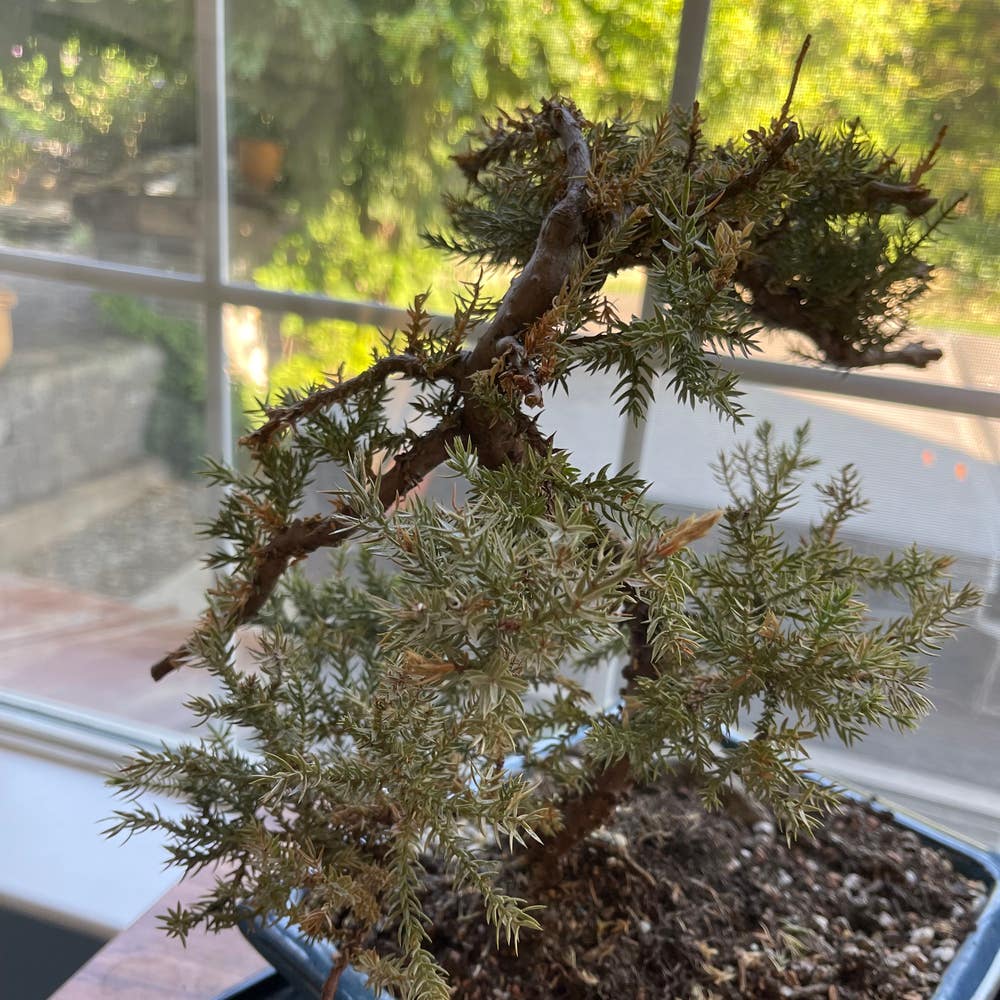
❄️ Step-by-Step Guide to Winterizing Japanese Garden Juniper
Juniperus procumbens
By the Greg Editorial Team
Oct 09, 2024•5 min read
This article was created with the help of AI so we can cover more plants for you. May contain errors. See one? Report it here.
Ensure your Japanese garden juniper thrives this winter 🌲 with essential care tips for vibrant health and resilience!
- ❄️ Frost protection is essential for Japanese garden junipers to ensure winter health.
- 🌱 Mulching insulates roots and retains moisture, crucial for winter survival.
- 🌬️ Windbreaks reduce stress on junipers, protecting them from harsh winter conditions.
Winter Care Techniques
❄️ Frost Protection Methods
Frost protection is crucial for preserving the health of your Japanese garden juniper. It prevents damage to both foliage and roots, ensuring your plants thrive even in harsh winter conditions.
Techniques for Frost Protection
- Mulching: Apply a layer of organic mulch around the base of your junipers. This helps insulate the roots and retain moisture.
- Covering Plants: During extreme cold spells, use burlap or frost cloth to cover your plants. This provides an extra layer of protection against freezing temperatures.
- Windbreaks: Install barriers to shield your junipers from harsh winds. Windbreaks can significantly reduce the stress on your plants during winter.
🌧️ Adjusting Watering Schedules During Winter
As temperatures drop, it's essential to adjust your watering routine. Reducing the frequency of watering helps prevent root rot, a common issue in winter.
Signs of Adequate Moisture
Before watering, always check the soil moisture levels. This ensures that your junipers receive just the right amount of water.
Best Practices for Winter Watering
- Watering in the Morning: This allows for evaporation, reducing the risk of waterlogged soil.
- Well-Drained Soil: Ensure your soil drains well to prevent standing water, which can harm the roots.
🌱 Fertilizing Practices for Winter
Fertilization during winter supports plant health without promoting unwanted growth. It's a delicate balance that can make a significant difference.
Recommended Fertilizers
Opt for slow-release, low-nitrogen fertilizers. These provide essential nutrients without encouraging excessive growth during dormancy.
Timing for Fertilization
Apply fertilizers in early winter, just before your junipers enter dormancy. This timing helps prepare them for the challenges of winter.
By implementing these winter care techniques, you can ensure your Japanese garden juniper remains healthy and vibrant. Next, let’s explore how to provide indoor care for your junipers when the temperatures drop too low.
Indoor Winter Care
🌨️ When to Bring Junipers Indoors
As winter approaches, it's crucial to monitor weather forecasts for extreme cold warnings or prolonged frost. Bringing your junipers indoors before the first frost can prevent significant damage and ensure their health throughout the season.
🏠 Indoor Care Requirements
💡 Light Requirements
Junipers thrive in bright, indirect sunlight. Position them near a window where they can soak up the light without being exposed to harsh, direct rays.
💧 Humidity Levels
Maintaining moderate humidity is essential to prevent your junipers from drying out. Consider using a humidifier or placing a tray of water nearby to create a more suitable environment.
🚿 Watering Indoors
Adjust your watering frequency based on indoor conditions. Check the soil moisture regularly; it should be slightly damp but never soggy to keep your junipers happy and healthy.
By following these indoor care practices, you can ensure your junipers remain vibrant and robust throughout the winter months. Next, let’s explore how to prepare your garden for spring after the winter chill.
Spring Preparation
Signs of Winter Damage 🌨️
As winter fades, it's crucial to assess your Japanese garden juniper for any signs of damage. Look for browning foliage, brittle branches, and stunted growth, which can indicate stress from the cold.
Checking the overall health of your juniper is equally important. Inspect for signs of rot or pest infestations, as these can hinder recovery and affect the plant's vitality.
Steps for Recovery in Spring 🌱
Once you've identified any damage, the first step is pruning. Remove dead or unhealthy branches to encourage new growth and improve airflow around the plant.
Next, consider fertilizing your juniper in spring. Applying a balanced fertilizer will provide essential nutrients and support recovery as the plant awakens from dormancy.
Finally, keep an eye out for pests as the weather warms. Monitoring for infestations ensures that your juniper remains healthy and vibrant throughout the growing season.
With these steps, your juniper will be well on its way to thriving in the spring. Transitioning from winter care to spring preparation sets the stage for a flourishing garden.
Common Problems and Solutions
🌨️ Identifying Frost Damage
Frost damage can manifest in several ways. Look out for discoloration, wilting, and leaf drop, which are clear indicators that your juniper is struggling.
To assess the extent of the damage, gently inspect the affected areas. If you notice that the branches are brittle or the foliage is severely discolored, recovery may be challenging but not impossible.
💧 Addressing Overwatering or Underwatering in Winter
Overwatering can lead to yellowing leaves and mushy roots, signaling that your juniper is drowning. Conversely, underwatering presents itself through dry, brittle foliage and stunted growth.
To tackle these issues, adjust your watering schedule based on current weather conditions. Ensure proper drainage to prevent root problems, allowing your juniper to thrive even in winter's chill.
With these insights, you can effectively manage common winter challenges, ensuring your juniper remains healthy and vibrant. Next, let’s explore geographic considerations that can further enhance your winter care practices.
Geographic Considerations
❄️ Cold Hardiness Zones
Understanding cold hardiness is crucial for the health of your Japanese garden juniper. These plants can tolerate temperatures down to USDA Zone 4, making them resilient in many regions.
Knowing your local climate helps tailor care effectively. This ensures your junipers thrive despite the seasonal challenges they face.
🌨️ Regional Differences in Winter Care Practices
Winter care practices can vary significantly based on local weather patterns. Adjusting your techniques to suit these variations is essential for optimal plant health.
For instance, in milder climates, you might need less mulch and fewer protective measures. Conversely, in harsher regions, more robust strategies like additional windbreaks and frequent monitoring are necessary.
⚠️ Safety First
This content is for general information and may contain errors, omissions, or outdated details. It is not medical, veterinary advice, or an endorsement of therapeutic claims.
Always consult a qualified healthcare professional before using any plant as food, medicine, or supplement.
Never eat any plant (or feed one to pets) without confirming its identity with at least two trusted sources.
If you suspect poisoning, call Poison Control (800) 222-1222, the Pet Poison Helpline (800) 213-6680, or your local emergency service immediately.
Spotted an error? Please report it here.
Keep your Japanese garden juniper thriving this winter ❄️ with Greg's personalized care tips and reminders that ensure it stays protected and healthy until spring!