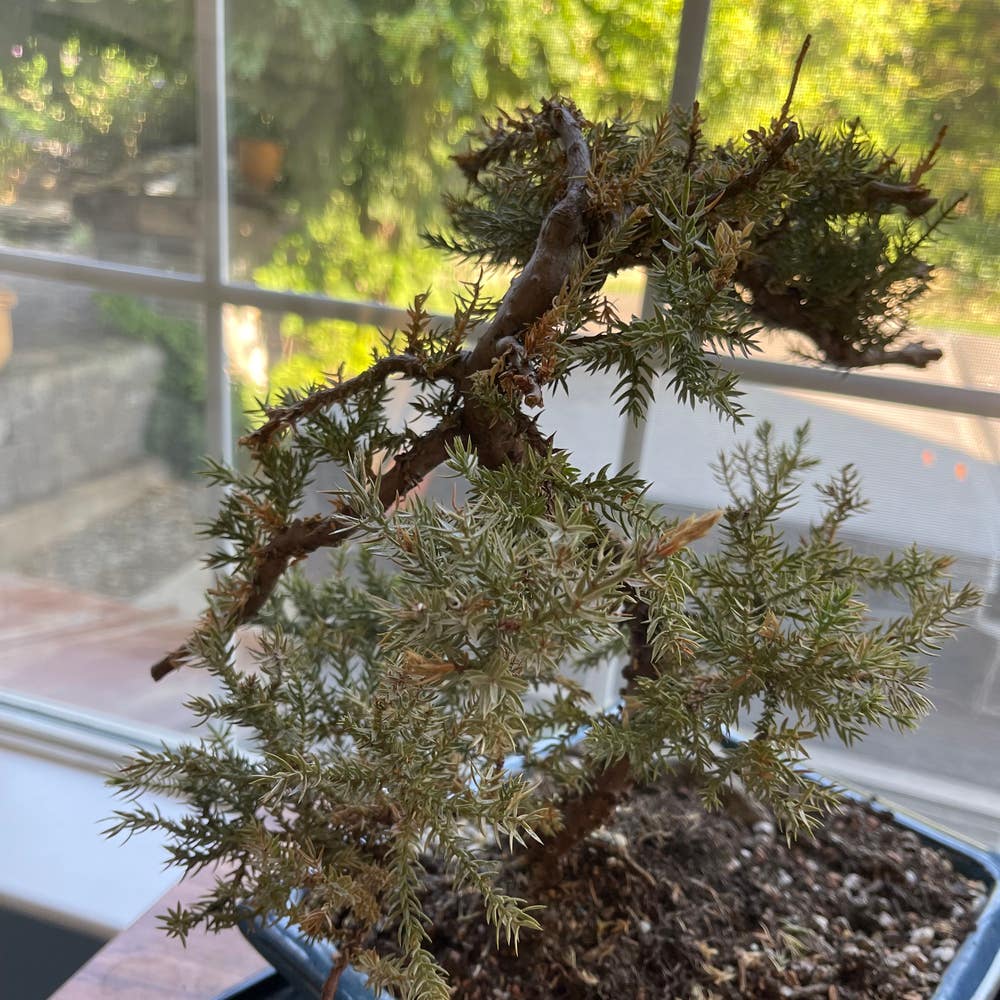
Step-by-Step Guide to Green Mound Juniper Flowers
Juniperus procumbens
By the Greg Editorial Team
Oct 17, 2024•4 min read
This article was created with the help of AI so we can cover more plants for you. May contain errors. See one? Report it here.
Uncover the beauty of Green Mound Juniper 🌱—a resilient gem that thrives without traditional flowers!
- 🌿 Green Mound Juniper lacks traditional flowers, featuring lush foliage instead.
- 🌼 Male and female plants are essential for reproduction, producing unique cones.
- 🌞 Proper care and spacing enhance flowering and maintain the plant's vibrant appearance.
Flowering Status
Clarification on Flowering Status 🌼
Green Mound Juniper is unique in that it doesn't produce traditional flowers. Instead, it's celebrated for its lush foliage, making it a popular choice for landscaping.
This plant is dioecious, meaning it has distinct male and female plants. This separation plays a crucial role in its reproductive capabilities, influencing how it propagates and thrives in various environments.
If Green Mound Juniper Flowers
🌼 Flower Characteristics
Description of Colors and Structure
Green Mound Juniper doesn't flaunt traditional flowers. Instead, male plants produce small, yellowish pollen cones, while female plants develop inconspicuous, berry-like cones that turn blue when mature.
🌸 Blooming Process
Stages of Blooming
The blooming process kicks off in early spring with bud formation. Shortly after, pollination occurs, setting the stage for the next phase.
Typical Bloom Time
You can expect the bloom season to unfold from late spring to early summer. This is when the plant subtly showcases its reproductive capabilities.
Duration from Bud Formation to Full Bloom
From bud formation to full bloom, the process typically takes about 2-4 weeks. This relatively quick transition highlights the plant's efficient reproductive cycle.
Lifespan of Flowers
The lifespan of the pollen cones is brief, lasting only a few weeks. This short duration emphasizes the plant's focus on foliage over floral display.
🌱 Encouraging Blooms
Tips for Promoting Flowering
To encourage flowering, ensure proper spacing between male and female plants for effective pollination. Healthy soil conditions and adequate watering also play a crucial role.
Factors Influencing Flowering
Environmental factors, such as sunlight exposure and soil quality, significantly influence flowering. A well-cared-for plant is more likely to produce cones.
🌿 Post-Flowering
What Happens After Flowering
After the flowering period, the Green Mound Juniper continues to thrive, maintaining its lush foliage. This resilience is part of its charm.
Discussion on Plant Longevity Post-Bloom
Rest assured, Green Mound Juniper does not die after flowering. It remains a hardy perennial, ready to grow for years to come.
🌬️ Pollination Methods
Description of Pollination Methods
Wind pollination is the primary method for Green Mound Juniper. Having both male and female plants close together is essential for successful seed production.
This understanding of flowering and pollination sets the stage for appreciating the unique characteristics of Green Mound Juniper, whether it blooms or not.
If Green Mound Juniper Doesn't Flower
🌿 Primary Ornamental or Functional Features
Green Mound Juniper is celebrated for its dense, low-growing foliage, making it an excellent choice for ground cover. Its attractive blue-green color not only enhances landscape aesthetics but also provides a vibrant backdrop for other plants.
🌱 Reproductive Strategies Without Flowers
Even without traditional flowers, Green Mound Juniper has clever ways to reproduce. It disperses seeds through its cones, ensuring that new plants can sprout under the right conditions.
These cones are a testament to the plant's resilience, allowing it to thrive in various environments. So, even if you don’t see flowers, rest assured that this hardy plant is still capable of sustaining its population.
In summary, while Green Mound Juniper may not bloom in the conventional sense, it remains a robust and visually appealing addition to any garden. Next, let’s explore the unique aspects of this fascinating plant.
Unique Aspects
🌸 Unusual Characteristics Related to Flowering or Non-Flowering
The Green Mound Juniper is dioecious, meaning it has distinct male and female plants. This unique reproductive strategy significantly influences its flowering and overall reproductive success.
🤔 Interesting Facts or Trivia About Reproductive Strategies
This hardy plant is drought-tolerant and thrives in well-drained soils, making it a resilient choice for various landscaping conditions.
Moreover, even without traditional flowers, Green Mound Juniper can reproduce through its cones, ensuring its population persists.
These characteristics not only enhance its ornamental value but also contribute to its adaptability in diverse environments.
In summary, the Green Mound Juniper showcases remarkable resilience and reproductive strategies that make it a standout in any garden.
As we explore its flowering status, understanding these unique aspects will deepen your appreciation for this versatile plant.
⚠️ Safety First
This content is for general information and may contain errors, omissions, or outdated details. It is not medical, veterinary advice, or an endorsement of therapeutic claims.
Always consult a qualified healthcare professional before using any plant as food, medicine, or supplement.
Never eat any plant (or feed one to pets) without confirming its identity with at least two trusted sources.
If you suspect poisoning, call Poison Control (800) 222-1222, the Pet Poison Helpline (800) 213-6680, or your local emergency service immediately.
Spotted an error? Please report it here.
Transform your landscape with the resilient Green Mound Juniper 🌿 by using Greg's personalized care tips to ensure optimal growth and thriving foliage all year round!