🌡 Good Temperature Range for Your Green Mound Juniper
Juniperus procumbens
By the Greg Editorial Team
Oct 17, 2024•4 min read
This article was created with the help of AI so we can cover more plants for you. May contain errors. See one? Report it here.
Unlock the secret to thriving Green Mound Junipers 🌲 by mastering their temperature tolerance and stress signs!
- ❄️🌡️ Green Mound Juniper thrives in USDA Zone 3, perfect for colder climates.
- ☀️🔥 Withstands heat up to 90°F (32°C), showcasing its adaptability in various environments.
- 🌱💧 Soil moisture and drainage are crucial for preventing temperature stress and ensuring health.
Temperature Tolerance Levels
❄️ Cold and Heat Tolerance
The Green Mound Juniper is a tough little plant, hardy down to USDA Zone 3. This means it can brave the chill of winter without much fuss, making it a great choice for colder climates.
On the flip side, it can handle heat too, withstanding temperatures up to 90°F (32°C). This versatility allows it to thrive in various environments, but it’s essential to know what influences its temperature tolerance.
Several factors come into play, including soil type, moisture levels, and exposure. Well-drained soil and adequate moisture can enhance its resilience, while too much sun or poor drainage can lead to stress.
Understanding these elements helps you create the ideal conditions for your Green Mound Juniper. This knowledge not only fosters a healthy plant but also enriches your gardening experience.
As you explore the signs of temperature stress in the next section, keep these tolerance levels in mind to better care for your juniper.
Signs of Temperature Stress
❄️ Symptoms of Cold Stress
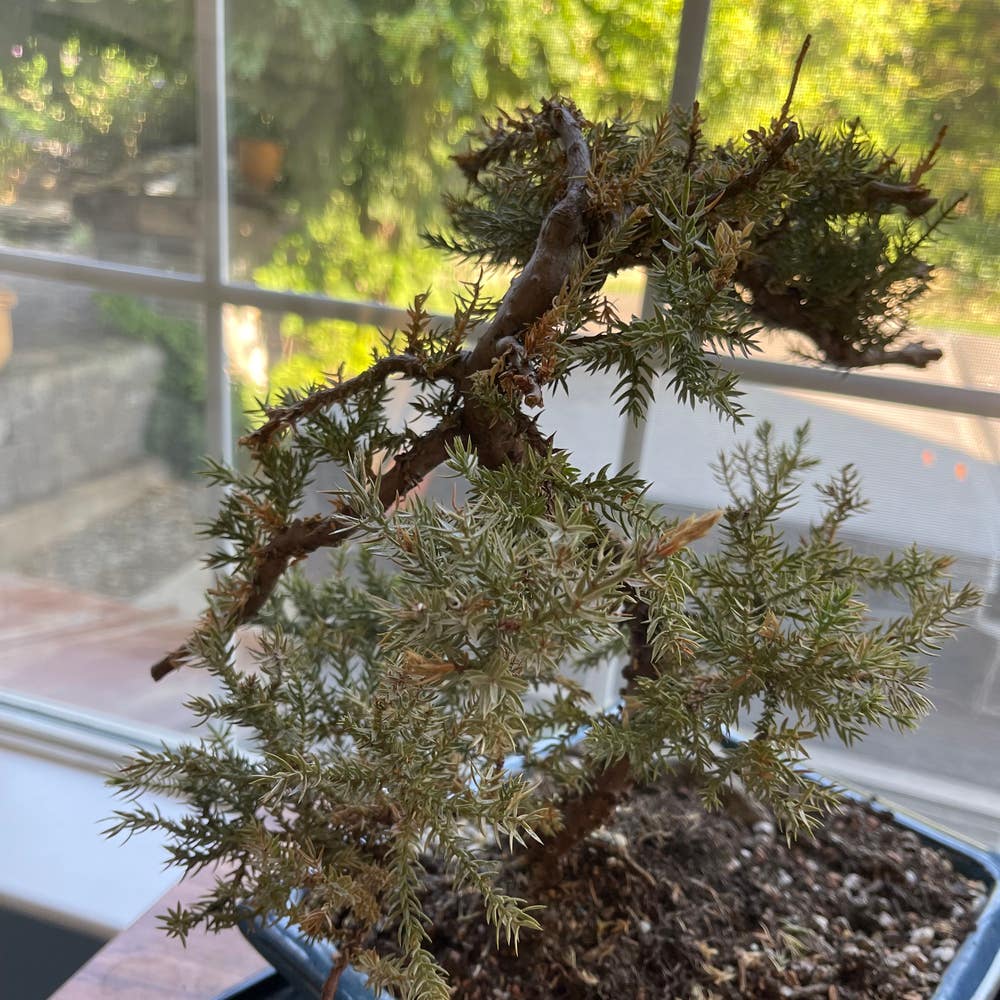
Cold stress can manifest in a couple of noticeable ways. One common sign is needle discoloration, where the needles turn brown or yellow, indicating that the plant is struggling.
Another symptom is winter burn, which shows up as browning at the tips and edges of the leaves. This often occurs when temperatures dip below what the Green Mound Juniper can handle.
🔥 Symptoms of Heat Stress
Heat stress presents its own set of challenges. You might notice wilting, where the leaves droop and lose their turgor, making the plant look tired and lifeless.
Scorching is another telltale sign, characterized by brown patches on the foliage, especially in areas that receive full sun. These symptoms indicate that your juniper is feeling the heat and needs some attention.
Recognizing these signs early can help you take action to protect your Green Mound Juniper. Understanding how to respond to temperature stress will set you up for success in maintaining a healthy plant.
Causes of Temperature Stress
🌍 Environmental Factors
Temperature stress in Green Mound Juniper often stems from environmental factors. Sudden temperature fluctuations can shock the plant, making it vulnerable to damage.
Prolonged exposure to extreme temperatures, whether cold or hot, can lead to significant stress. This is especially true if the plant is not acclimated to such conditions.
Poor drainage can further exacerbate these issues. Inadequate soil moisture management can leave the roots struggling, making the plant more susceptible to temperature-related problems.
Understanding these causes is crucial for maintaining the health of your Green Mound Juniper. By recognizing the environmental challenges, you can take proactive steps to protect your plant from temperature stress.
Next, let’s explore the signs that indicate your juniper may be experiencing temperature stress.
Seasonal Temperature Challenges
❄️ Winter Challenges
Winter can be tough for your Green Mound Juniper. One major risk is winter burn, which happens when temperatures drop below the plant's cold tolerance.
To protect your juniper, consider mulching around the base. This helps insulate the roots and retain moisture. Additionally, using windbreaks can shield your plant from harsh winds and frost, minimizing stress during the cold months.
☀️ Summer Challenges
As temperatures rise, heat stress becomes a concern. Consistent watering is crucial during hot spells to keep your juniper healthy and thriving.
Watch for signs of heat-related issues, such as leaf scorching and wilting. These symptoms indicate that your plant may be struggling to cope with the heat, so timely intervention is essential to maintain its vitality.
Understanding these seasonal challenges will help you take proactive steps to ensure your Green Mound Juniper remains robust throughout the year. Next, let’s explore how to mitigate temperature stress effectively.
Mitigating Temperature Stress
❄️ Protective Measures for Extreme Cold
When winter hits, your Green Mound Juniper needs a little extra care. Covering the plants with burlap or frost cloth can provide essential protection during severe cold snaps.
Applying mulch around the base helps insulate the roots, keeping them warm. Timing is crucial; make sure to implement these protective measures before the first frost and during extreme cold events to maximize their effectiveness.
☀️ Strategies for Managing Heat Stress
Summer can be just as challenging for your juniper. Deep watering is key; it encourages robust root growth and helps the plant withstand heat.
Consider providing shade using companion plants or structures to shield your juniper from direct sunlight. Regularly monitoring soil moisture is also vital, as it prevents drought stress during those hot months.
By taking these steps, you can ensure your Green Mound Juniper thrives, regardless of the temperature extremes. Next, let’s explore the seasonal temperature challenges that can affect your plant's health.
⚠️ Safety First
This content is for general information and may contain errors, omissions, or outdated details. It is not medical, veterinary advice, or an endorsement of therapeutic claims.
Always consult a qualified healthcare professional before using any plant as food, medicine, or supplement.
Never eat any plant (or feed one to pets) without confirming its identity with at least two trusted sources.
If you suspect poisoning, call Poison Control (800) 222-1222, the Pet Poison Helpline (800) 213-6680, or your local emergency service immediately.
Spotted an error? Please report it here.
Keep your Green Mound Juniper thriving through temperature extremes 🌡️ with Greg's tailored care reminders that ensure your plant stays resilient and well-watered all year round!