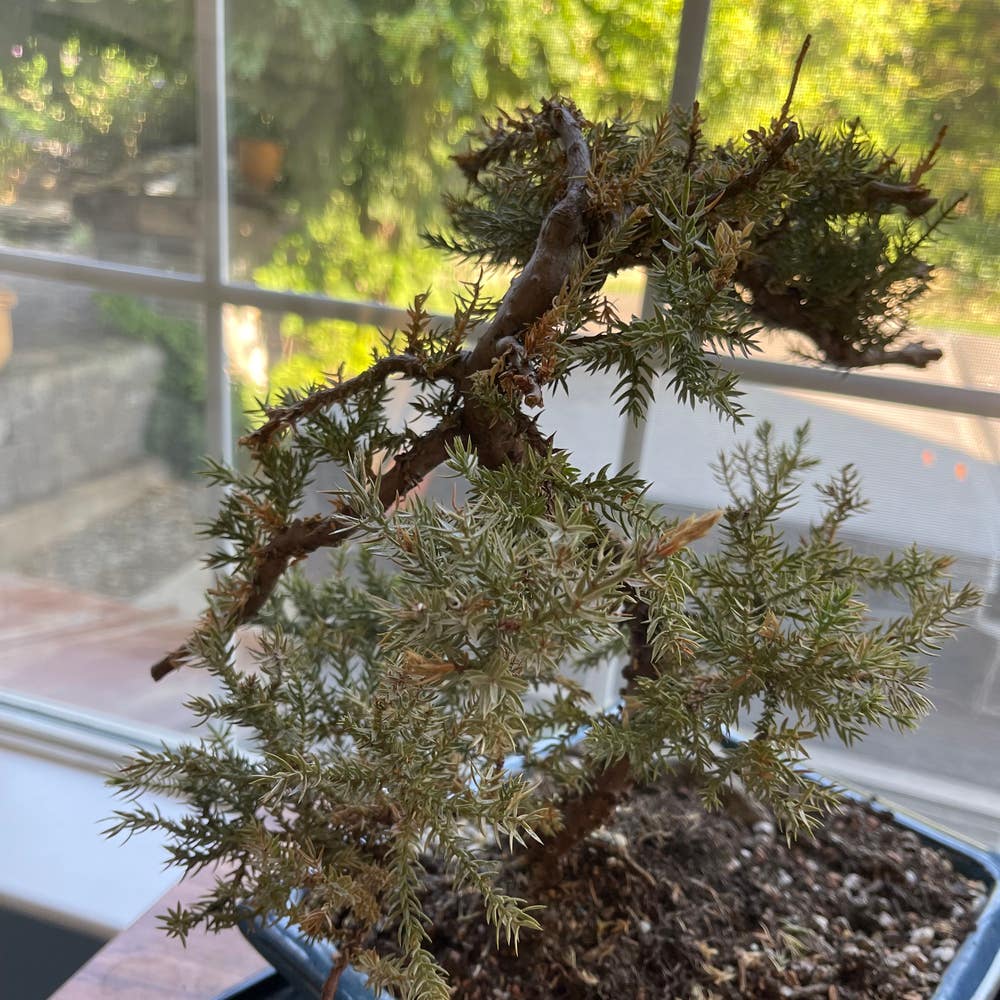
Propagating Japanese Garden Juniper: Step-by-Step Guide
Juniperus procumbens
By the Greg Editorial Team
Jun 18, 2024•5 min read
This article was created with the help of AI so we can cover more plants for you. May contain errors. See one? Report it here.
Propagate a tranquil garden oasis 🌿 with this definitive guide to Japanese Garden Juniper cuttings.
- Late spring/early summer for softwood, winter for hardwood cuttings.
- Rooting hormone boosts development; monitor soil moisture to prevent rot.
- Acclimatize gradually before garden planting; watch for pests and diseases.
Choosing Your Propagation Method
🌱 Softwood Cuttings
🕰 When to Snip
Timing is crucial for softwood cuttings. Snip in late spring to early summer when stems are still flexible.
🌱 Prepping Your Cuttings
Start with healthy stems; robust and blemish-free. Use sharp, sterilized shears for a clean cut just below a node.
🌱 Rooting Hormone Magic
Apply rooting hormone to the cut end to boost root development. Less is more; avoid overuse to prevent growth inhibition.
🌿 Hardwood Cuttings
❄️ The Winter Wait
Hardwood cuttings thrive in the dormancy of winter. Post-leaf drop is your cue; callusing over winter primes them for spring rooting.
🌿 Callusing Conundrum
Ensure cuttings callus properly by giving them a dry spell before planting. This step is non-negotiable for hardwood success.

Setting the Stage for Success
🌡️ Crafting the Perfect Environment
Temperature, humidity, and light form the trifecta for propagation success. Strike a balance to avoid turning your cuttings into sun-dried tomatoes or moldy sticks. Aim for a cozy temperature range of 65°F to 75°F—the sweet spot where roots feel encouraged to grow without breaking a sweat.
Maintaining high humidity is like throwing a surprise party for your cuttings—it keeps the vibe just right. Use a plastic bag or a humidity dome to create that tropical getaway feel. But remember, it's not a sauna; avoid turning your propagation station into a steam room.
💦 Keeping it Moist
Watering is less about following a schedule and more about reading the room. The goal is to keep the soil consistently moist, like a perfectly wrung-out sponge. Before you water, do the finger test—if the medium feels damp, hold off on the H2O. Overwatering is the fast track to root rot, and nobody's got time for that.
🌱 The Rooting Medium Mix-Up
Choosing your medium is like picking a mattress for your cuttings; comfort is key. A mixture of all-purpose soil and sand offers a well-draining bed that's just right for Japanese Garden Juniper. It's the Goldilocks zone—neither too dense nor too loose.
pH plays the role of the bouncer at the root growth club. Aim for a slightly acidic to neutral pH, around 5.5 to 7.0, to keep the roots grooving without any hiccups. Get it wrong, and you'll be dealing with the botanical equivalent of a party foul.
Remember, the medium should mirror the final growing conditions. It's like prepping kids for the real world; you wouldn't teach them to swim in a sandbox. Use an organic medium for organic systems and inorganic for the rest. Consistency is key, just like in your morning coffee.

Nurturing Your New Junipers
👀 Monitoring and Maintenance
Daily Checks
Keep a vigilant eye on your juniper cuttings. Look for new growth, which signals a happy plant. Yellowing leaves or a wilted demeanor? Time to tweak your care routine.
🛡️ Defending Against Invaders
Pests and diseases can sneak up on your junipers. Watch out for spider mites and scale; a blast of water often sends them packing. If brown leaves appear, suspect blight and act fast.
✂️ Pruning and Cleanliness
Sterilize your shears before snipping. Clean cuts help your juniper cuttings stay disease-free. No need for a full prune, just remove any dead or suspicious-looking parts.
🌡️ Environmental Control
Keep conditions steady. Junipers dislike drama, especially in temperature. A consistent, mild environment keeps stress—and pests—at bay.
📚 Stay Informed
Knowledge is your best defense. Brush up on common juniper issues. When in doubt, hit up a local nursery or a fellow green thumb for advice.
🌱 Fertilizer Facts
Less is more when it comes to feeding your junipers. Overzealous fertilizing can harm more than help. Stick to annual soil refreshes for a nutrient boost.
🚰 Watering Wisdom
Keep the soil moist, but not soggy. Overwatering is a surefire way to invite root rot to the party. A quick finger test in the soil will tell you if your juniper's thirsty.
🌡️ Temperature Tips
Aim for a goldilocks zone—not too hot, not too cold. Extreme temperature swings are a no-go for your cuttings' comfort.
Remember, your juniper cuttings are like small green investments. Regular check-ups and preventive measures go a long way in growing a lush, healthy plant.

The Road from Roots to Replanting
⏰ Timeline Expectations
Patience is the game here. Your Japanese Garden Juniper cuttings won't sprint to the finish line; they're more the marathon type. Expect roots to show within 2-4 weeks, but that's just the start. A robust root system, ready for the big move, typically takes about 2 months to develop. Keep an eye out for roots stretching to one to two inches—that's your cue for the next step.
Aftercare and Acclimatization
📦 Moving on up
When roots are long enough to tangle, it's time to transplant. Select a pot that offers room without being cavernous—think cozy studio apartment, not a sprawling mansion. Go for a well-draining soil mix and a pot with drainage holes to avoid waterlogged roots. Skip the fertilizer for now; your juniper's not ready for a full feast just yet.
🌿 The great outdoors
Your juniper cuttings have been living the sheltered life indoors, so they'll need a gradual introduction to the elements. Start with brief outdoor excursions, gradually increasing their time in the sun and breeze over a couple of weeks. This process, known as hardening off, is like acclimating to a cold pool—one toe at a time. Once they're used to the fluctuations of outdoor life, they're ready to plant in the garden. Just be sure to avoid extreme weather—no one likes a frosty welcome or a scorching hello.
⚠️ Safety First
This content is for general information and may contain errors, omissions, or outdated details. It is not medical, veterinary advice, or an endorsement of therapeutic claims.
Always consult a qualified healthcare professional before using any plant as food, medicine, or supplement.
Never eat any plant (or feed one to pets) without confirming its identity with at least two trusted sources.
If you suspect poisoning, call Poison Control (800) 222-1222, the Pet Poison Helpline (800) 213-6680, or your local emergency service immediately.
Spotted an error? Please report it here.
Ensure your Japanese Garden Juniper cuttings thrive 🌱 with Greg's tailored reminders for optimal watering and environment conditions, straight from this propagation guide.