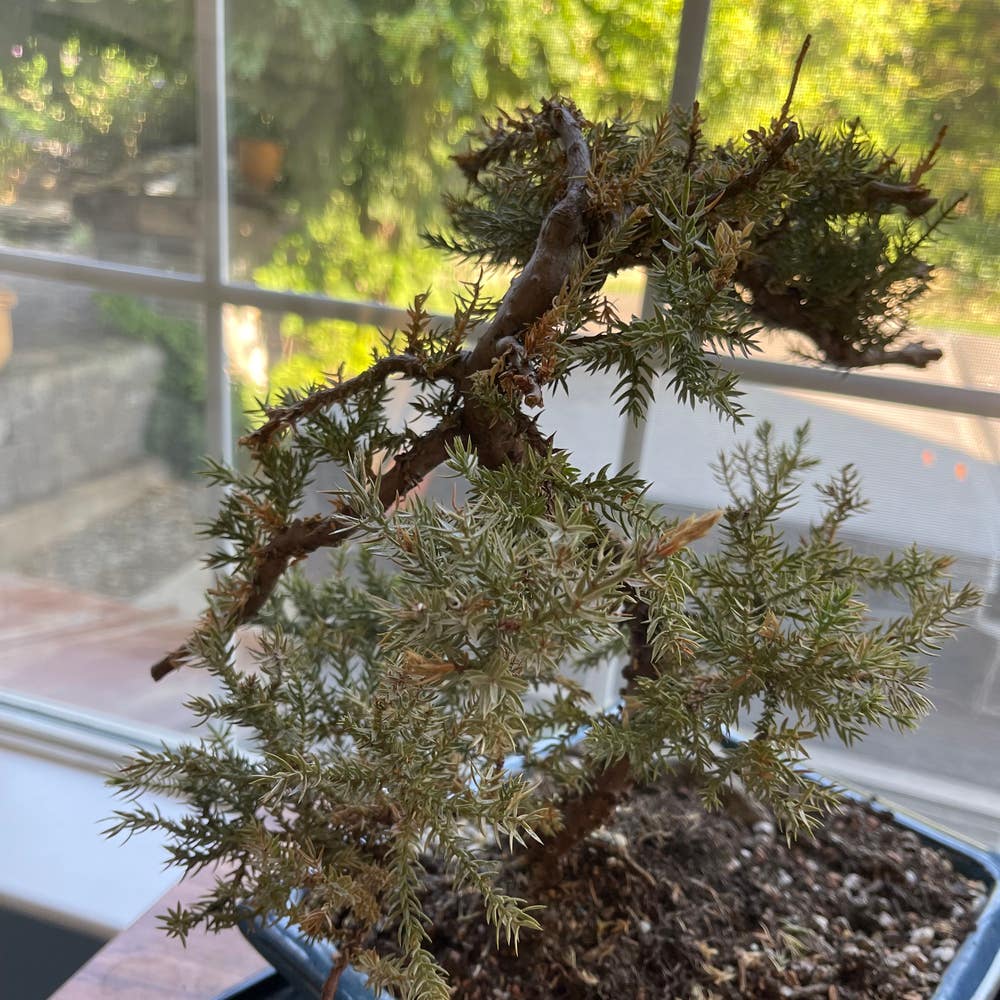
🌳 6 Plants That Thrive Alongside Japanese Garden Juniper
Juniperus procumbens
By the Greg Editorial Team
Oct 09, 2024•3 min read
This article was created with the help of AI so we can cover more plants for you. May contain errors. See one? Report it here.
Elevate your Japanese garden's beauty and health with perfect companion plants! 🌱✨ Discover the best pairings today!
- 🌱 Japanese garden juniper thrives with drought-tolerant companion plants for optimal growth.
- 🌼 Sedum, hostas, and lavender enhance beauty while requiring minimal care alongside juniper.
- 🌾 Avoid heavy feeders and invasive species to maintain juniper's health and garden balance.
Best Companion Plants for Japanese Garden Juniper
🌱 Sedum
Sedum is a fantastic companion for Japanese garden juniper due to its similar care needs. Thriving in well-drained soils and full sun, it perfectly matches the requirements of juniper.
This succulent is also drought-tolerant, making it an excellent partner that complements juniper's low water needs. With its varied colors and textures, sedum enhances the garden's visual appeal, adding depth and interest.
🍃 Hosta
Hostas shine in partially shaded areas, providing a lovely contrast to the sun-loving juniper. Their broad leaves create a striking visual difference, enriching the garden's texture.
Additionally, hostas act as natural pest repellents, benefiting nearby plants by deterring certain pests. This makes them a practical choice for maintaining a healthy garden ecosystem.
🌼 Daylilies
Daylilies are low-maintenance plants that align well with the easy-care aspect of junipers. Requiring minimal attention, they bloom in summer, providing vibrant seasonal color alongside the evergreen juniper.
These flowers also attract beneficial insects, such as pollinators and predatory species, enhancing the overall health of your garden. Their presence can create a lively and dynamic environment.
🌸 Lavender
Lavender is not just aromatic; it also boasts pest-repelling qualities. Its strong fragrance deters pests, protecting both juniper and other plants in your garden.
Beyond its practical benefits, lavender adds sensory appeal, creating a delightful experience for anyone who strolls through. Its drought resistance makes it a suitable companion, thriving in dry conditions just like juniper.
🌾 Ornamental Grasses
Ornamental grasses bring visual appeal and texture to your garden. They add movement and contrast to the static form of juniper, creating a dynamic landscape.
These grasses prefer well-drained soils, aligning perfectly with juniper's needs. Their low water requirements ensure compatibility, making them a smart choice for a harmonious garden.
🌿 Creeping Thyme
Creeping thyme serves as an excellent ground cover, acting as a living mulch. It suppresses weeds and retains soil moisture, benefiting the overall garden environment.
This plant also attracts pollinators, drawing beneficial insects that promote a healthy ecosystem. Its drought tolerance complements juniper's needs, making it a resilient companion.
Incorporating these companion plants can elevate your Japanese garden juniper's aesthetic and health. Each plant brings unique benefits, ensuring a vibrant and thriving garden space. Now, let’s explore which plants to avoid near juniper to maintain balance and health in your garden.
Plants to Avoid Near Japanese Garden Juniper
Heavy Feeders 🌱
Heavy feeders can be a real challenge in your garden. Their high nutrient demands can quickly deplete the soil resources that your Japanese garden juniper relies on.
High Moisture Needs 💧
Plants that require a lot of moisture can create conflicts in your garden. They compete for water, which can lead to root rot in junipers, jeopardizing their health.
Invasive Species 🚫
Invasive species are another concern to keep in mind. Their aggressive growth can overwhelm junipers, disrupting the balance of your garden and stifling the beauty of your carefully chosen plants.
By avoiding these plants, you can ensure that your Japanese garden juniper thrives alongside its companions. Next, let’s explore the best companion plants that will enhance your garden's beauty and health.
⚠️ Safety First
This content is for general information and may contain errors, omissions, or outdated details. It is not medical, veterinary advice, or an endorsement of therapeutic claims.
Always consult a qualified healthcare professional before using any plant as food, medicine, or supplement.
Never eat any plant (or feed one to pets) without confirming its identity with at least two trusted sources.
If you suspect poisoning, call Poison Control (800) 222-1222, the Pet Poison Helpline (800) 213-6680, or your local emergency service immediately.
Spotted an error? Please report it here.
Transform your garden into a thriving oasis 🌱 by pairing your Japanese garden juniper with the perfect companions, and let Greg guide you with tailored care tips for each plant's success!