🌳 Japanese Garden Juniper Is a Perennial
Juniperus procumbens
By the Greg Editorial Team
Oct 09, 2024•5 min read
This article was created with the help of AI so we can cover more plants for you. May contain errors. See one? Report it here.
Unlock the year-round charm of Japanese Garden Juniper 🌿, a resilient perennial that thrives with minimal care!
- 🌱 Japanese Garden Juniper is a resilient perennial, thriving through all lifecycle stages.
- 🌿 Excellent ground cover with needle-like foliage, enhancing landscape aesthetics year-round.
- 💧 Drought-tolerant and low-maintenance, it’s a long-term investment for any garden.
Characteristics of Japanese Garden Juniper as a Perennial
Multi-Year Lifecycle and Growth Patterns 🌱
Japanese Garden Juniper is a perennial that thrives through multiple lifecycle stages: germination, growth, maturity, and dormancy. This multi-year growth allows it to survive beyond just one growing season, making it a reliable choice for gardeners.
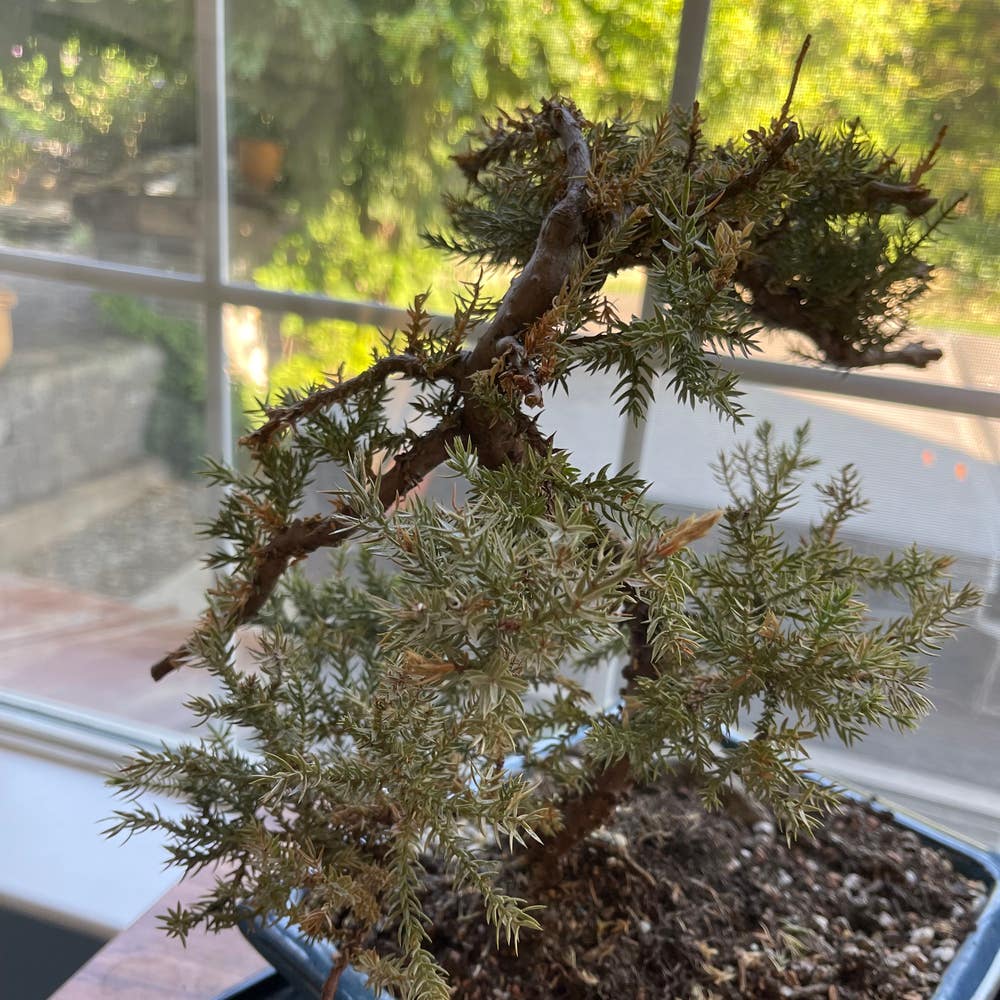
The growth habit of this juniper is particularly appealing. It features a low-growing, spreading nature with needle-like foliage that adds texture and color to any landscape. This characteristic not only enhances its aesthetic appeal but also makes it an excellent ground cover.
Lifecycle Stages 🌿
- Germination: This initial stage begins when seeds sprout, typically in favorable conditions.
- Growth: Following germination, the plant enters a vigorous growth phase, establishing its structure.
- Maturity: As it matures, the juniper develops its full form, showcasing its lush foliage.
- Dormancy: Finally, during dormancy, the plant conserves energy, preparing for the next growth cycle.
Understanding these stages helps gardeners appreciate the resilience of Japanese Garden Juniper. Its ability to adapt and thrive year after year is a testament to its perennial nature.
Growth Habit 🌳
The low-growing, spreading nature of Japanese Garden Juniper makes it an ideal choice for various landscaping needs. Its needle-like foliage not only provides visual interest but also contributes to its hardiness.
This juniper's growth habit allows it to fill spaces effectively, reducing the need for frequent replanting. Its evergreen nature ensures that it remains vibrant throughout the seasons, making it a valuable addition to any garden.
In summary, the characteristics of Japanese Garden Juniper as a perennial highlight its multi-year lifecycle and unique growth patterns. These traits not only enhance its beauty but also provide practical benefits for gardeners.
Next, we will explore the seasonal changes and dormancy of this remarkable plant.
Seasonal Changes and Dormancy
💤 Dormancy Periods
Dormancy in Japanese Garden Juniper is a natural phase where the plant conserves energy. During this time, growth slows significantly, allowing the juniper to survive harsh conditions.
The timing of dormancy is influenced by seasonal cues. As temperatures drop in late fall, the plant prepares for this restful period, typically lasting through winter.
🌱 Seasonal Growth Changes
As spring arrives, Japanese Garden Juniper awakens from dormancy. New growth emerges, showcasing its vibrant needle-like foliage.
Summer brings robust growth, with the plant thriving in warm conditions. By autumn, it begins to prepare for dormancy again, focusing on conserving energy rather than flowering.
Interestingly, flowering is minimal in this species. The emphasis remains on foliage retention, which adds to its year-round appeal.
Understanding these seasonal changes helps gardeners appreciate the resilience and beauty of Japanese Garden Juniper. This knowledge also sets the stage for effective care and maintenance, ensuring the plant thrives through its lifecycle.
Advantages of Perennial Nature
🌱 Benefits of Reduced Replanting
Planting Japanese Garden Juniper is a smart, long-term investment. These perennials save you money over time, as you won't need to replant every season.
Established plants also contribute to sustainability. They require less water and resources, making them environmentally friendly choices for your garden.
🌳 Importance of Established Root Systems
The root systems of Japanese Garden Juniper provide stability and resilience. Well-established roots support healthy growth and enhance drought tolerance.
This means your plants can thrive even in less-than-ideal conditions. With strong roots, they are better equipped to handle fluctuations in weather and soil quality.
In summary, the perennial nature of Japanese Garden Juniper not only benefits your wallet but also contributes positively to the environment. As we explore the next section, we'll dive into the expected lifespan and factors that influence longevity.
Lifespan and Longevity Factors
🌱 Expected Lifespan
Japanese Garden Juniper typically enjoys a lifespan of 20 to 30 years. Under ideal conditions, some specimens can live even longer, showcasing their resilience and adaptability.
⚖️ Influencing Factors
🌍 Soil Quality
The foundation of a healthy Japanese Garden Juniper lies in well-draining, nutrient-rich soil. Poor soil can stunt growth and reduce lifespan, making soil quality a critical factor.
💧 Watering Practices
Watering practices significantly impact the plant's health. While Japanese Garden Juniper exhibits drought tolerance, overwatering can lead to root rot, threatening its longevity.
🌡️ Climate Influences
Temperature and humidity play vital roles in the lifespan of this perennial. Extreme conditions can stress the plant, so understanding your local climate is essential for optimal care.
In summary, the longevity of Japanese Garden Juniper hinges on a combination of soil quality, watering practices, and climate conditions. By paying attention to these factors, you can help ensure your juniper thrives for decades to come.
Next, we’ll explore how this hardy plant adapts across various climate zones, maximizing its benefits in your garden.
Climate Zone Variations
🌍 Adaptability Across Climate Zones
Japanese Garden Juniper is remarkably versatile, thriving in a variety of climates. Its resilience allows it to flourish in both hot and cold environments, making it a favorite among gardeners.
Understanding USDA hardiness zones is crucial for successful planting. This juniper typically thrives in zones 4 through 9, meaning it can withstand temperatures as low as -30°F and as high as 100°F.
🌱 Tips for Maximizing Benefits
Strategic planting is key to ensuring your Japanese Garden Juniper reaches its full potential. Choose a location with well-draining soil and plenty of sunlight to promote healthy growth.
Regular maintenance practices, such as pruning, can enhance its longevity. Trimming back overgrown branches not only keeps the plant looking tidy but also encourages new growth and improves air circulation.
By following these tips, you can create a thriving environment for your Japanese Garden Juniper, ensuring it remains a stunning feature in your landscape for years to come.
⚠️ Safety First
This content is for general information and may contain errors, omissions, or outdated details. It is not medical, veterinary advice, or an endorsement of therapeutic claims.
Always consult a qualified healthcare professional before using any plant as food, medicine, or supplement.
Never eat any plant (or feed one to pets) without confirming its identity with at least two trusted sources.
If you suspect poisoning, call Poison Control (800) 222-1222, the Pet Poison Helpline (800) 213-6680, or your local emergency service immediately.
Spotted an error? Please report it here.
Celebrate the enduring charm of the Japanese Garden Juniper 🌿 and let Greg help you thrive with tailored care reminders that ensure your plant flourishes for years to come!