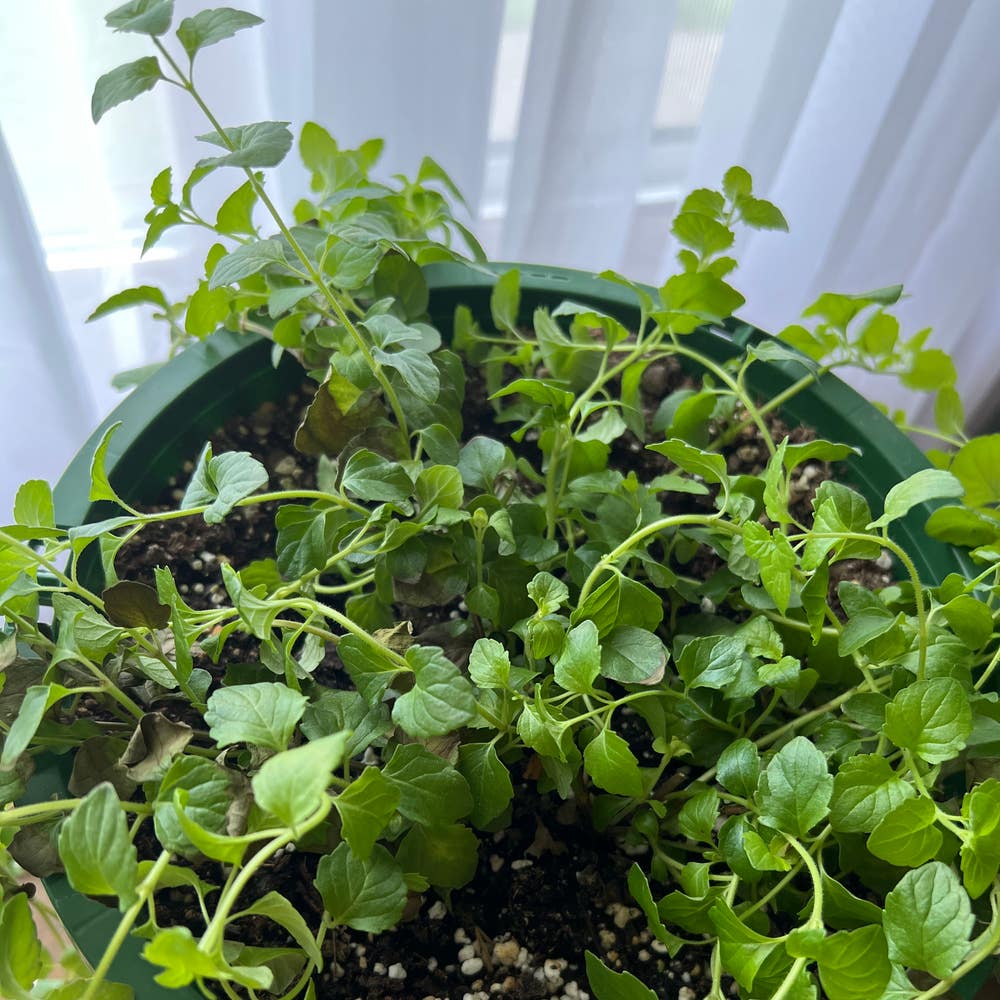
🌿 Propagating Indian Mint: Step-by-Step Guide
Coleus amboinicus
By the Greg Editorial Team
Nov 06, 2024•6 min read
This article was created with the help of AI so we can cover more plants for you. May contain errors. See one? Report it here.
Unlock a fresh supply of Indian mint for your garden with these easy propagation tips! 🌱✨
- 🌱 Propagate Indian mint via cuttings, division, seeds, or hydroponics for success.
- ✂️ Use clean shears and dip cuttings in rooting hormone for better rooting.
- 🌞 Maintain bright, indirect light and humidity for optimal growth and rooting.
Propagating Indian Mint from Cuttings
🌱 Step-by-Step Instructions for Taking Cuttings
To start propagating Indian mint, select healthy stems that are at least 4-6 inches long. Ensure these stems are free from pests or diseases to give your cuttings the best chance of thriving.
Next, make the cut using clean, sharp pruning shears. Cut just below a node, which is the point where leaves attach to the stem.
After cutting, remove the lower leaves from the bottom 2 inches of the cutting. This step is crucial to prevent rot as the cuttings develop roots.
For an extra boost, consider dipping the cut end in rooting hormone. While this is optional, it can enhance your success rate in rooting.
🌞 Ideal Conditions for Rooting Cuttings
Creating the right environment is key for your cuttings to root successfully. Place them in bright, indirect sunlight to avoid scorching, which can damage tender new growth.
Temperature is also important; aim to maintain a warm environment between 65°F to 75°F (18°C to 24°C). This warmth encourages root development.
Humidity plays a vital role as well. Use a humidity dome or a plastic bag to retain moisture around the cuttings, creating a mini greenhouse effect that promotes healthy growth.
⏳ Timeframe for Rooting and Transplanting
Patience is essential when propagating mint from cuttings. Typically, it takes about 2-4 weeks for roots to develop adequately.
Once the roots reach about 2 inches long, it’s time to transplant your cuttings. Choose pots with well-draining soil to ensure your new mint plants thrive in their new homes.
With these steps, you’re well on your way to growing your own Indian mint. Next, let’s explore how to propagate Indian mint through division for even more plants!
Propagating Indian Mint through Division
How to Divide Established Mint Plants 🌱
Dividing mint plants is a straightforward process that can rejuvenate your garden. Start by selecting a healthy, mature plant that has been growing for at least one season.
Next, dig up the plant carefully, ensuring minimal root damage. Use a spade or garden fork to lift it from the soil gently.
Once the plant is out, separate the roots by gently pulling apart the root clumps. Make sure each section has both roots and shoots to ensure successful reestablishment.
Best Practices for Replanting Divided Sections 🌿
Replant the divided sections immediately to minimize stress on the plants. This quick action helps them adapt to their new environment more easily.
After replanting, water thoroughly to ensure the soil is moist but not waterlogged. This balance is crucial for the health of your newly divided mint.
Timing for Division (Seasonal Considerations) ⏰
Timing is everything when it comes to dividing mint plants. The best times to do this are early spring or fall, as these seasons align with the plant's active growth phase.
By choosing the right time, you give your mint the best chance to thrive after division. This proactive approach will lead to a lush, vibrant mint garden that you can enjoy for seasons to come.
Now that you know how to propagate mint through division, let’s explore another method: growing Indian mint from seeds.
Growing Indian Mint from Seeds
🌱 Seed Selection and Sourcing
Choosing the right seeds is crucial for successful mint cultivation. Opt for high-quality seeds from reputable sources, focusing on popular Indian Mint varieties like 'Spearmint' or 'Peppermint' to ensure robust growth.
🌱 Germination Process and Conditions
To kick off the germination process, follow these steps:
- Prepare seed trays: Fill them with a seed-starting mix that retains moisture while allowing for proper drainage.
- Sow seeds: Scatter the seeds evenly across the surface and lightly cover them with soil.
- Water gently: Mist the soil to keep it moist without displacing the seeds.
- Provide warmth: Keep the trays in a warm location, ideally between 70°F to 75°F (21°C to 24°C), to encourage germination.
🌱 Transplanting Seedlings to Larger Pots or Garden
Timing is everything when it comes to transplanting. Wait until your seedlings have developed 2-3 sets of true leaves before moving them.
- Spacing: Ensure you allow 12-18 inches between plants to give them room to thrive and spread.
With these steps, you’re well on your way to growing your own Indian Mint from seeds. Next, let’s explore how to propagate Indian Mint through division for even more plants!
Hydroponic Propagation of Indian Mint
🌱 Setting Up a Hydroponic System for Mint
Hydroponic propagation can be an exciting way to grow Indian mint. Start by choosing a system that suits your space and needs; deep water culture and nutrient film technique are popular options.
For your container, opt for net pots filled with a growing medium like clay pellets. This setup allows for excellent drainage and aeration, crucial for healthy root development.
💧 Nutrient Solutions and Water Conditions
Using the right nutrient mix is vital for your mint's growth. Select a balanced hydroponic nutrient solution and follow the manufacturer's instructions for mixing.
Additionally, maintain the water temperature between 65°F to 70°F (18°C to 21°C). This range supports optimal growth and prevents stress on the plants.
🔍 Monitoring Growth and Health in Hydroponics
Regular checks are essential to ensure your mint thrives. Monitor pH levels weekly, aiming for a range of 5.5 to 6.5, and keep an eye on nutrient concentration.
Look for signs of health, such as vibrant green leaves and robust growth. These indicators will reassure you that your hydroponic system is working effectively.
Transitioning to hydroponic propagation can be a rewarding challenge. With the right setup and care, you'll enjoy a bountiful harvest of fresh Indian mint.
Common Challenges in Mint Propagation
🐛 Pests and Diseases Affecting Mint
Mint plants can face several pests and diseases that hinder their growth.
Identifying Common Pests
- Aphids: These small, green insects often cluster on new growth, sucking sap and weakening the plant.
- Spider mites: Tiny and web-spinning, spider mites cause stippling on leaves, indicating they are feeding on your mint.
🛡️ Preventative Measures and Treatments
To keep your mint healthy, regular inspections are key.
- Check plants weekly for signs of pests to catch infestations early.
- Organic treatments like neem oil or insecticidal soap can effectively control these pests without harming your plants.
🌱 Environmental Factors Impacting Propagation
The right environmental conditions are crucial for successful mint propagation.
Importance of Light, Temperature, and Humidity
- Light: Mint thrives with 6-8 hours of indirect sunlight daily.
- Temperature: Maintaining optimal temperatures is essential for rooting and growth.
- Humidity: Moderate humidity levels help prevent the plants from drying out.
🌡️ Adjusting Conditions for Successful Rooting
Creating the right environment can make all the difference.
- Use humidity domes for cuttings to retain moisture and encourage rooting.
- Adjust light exposure based on how your plants respond, ensuring they get just the right amount.
By addressing these common challenges, you can enhance your mint propagation success and enjoy a thriving herb garden. Next, let’s explore how to propagate Indian mint through division, a method that can yield robust plants.
⚠️ Safety First
This content is for general information and may contain errors, omissions, or outdated details. It is not medical, veterinary advice, or an endorsement of therapeutic claims.
Always consult a qualified healthcare professional before using any plant as food, medicine, or supplement.
Never eat any plant (or feed one to pets) without confirming its identity with at least two trusted sources.
If you suspect poisoning, call Poison Control (800) 222-1222, the Pet Poison Helpline (800) 213-6680, or your local emergency service immediately.
Spotted an error? Please report it here.
Propagate Indian mint like a pro 🌿 with Greg's tailored reminders for humidity and light, ensuring your cuttings thrive into a vibrant mint garden!