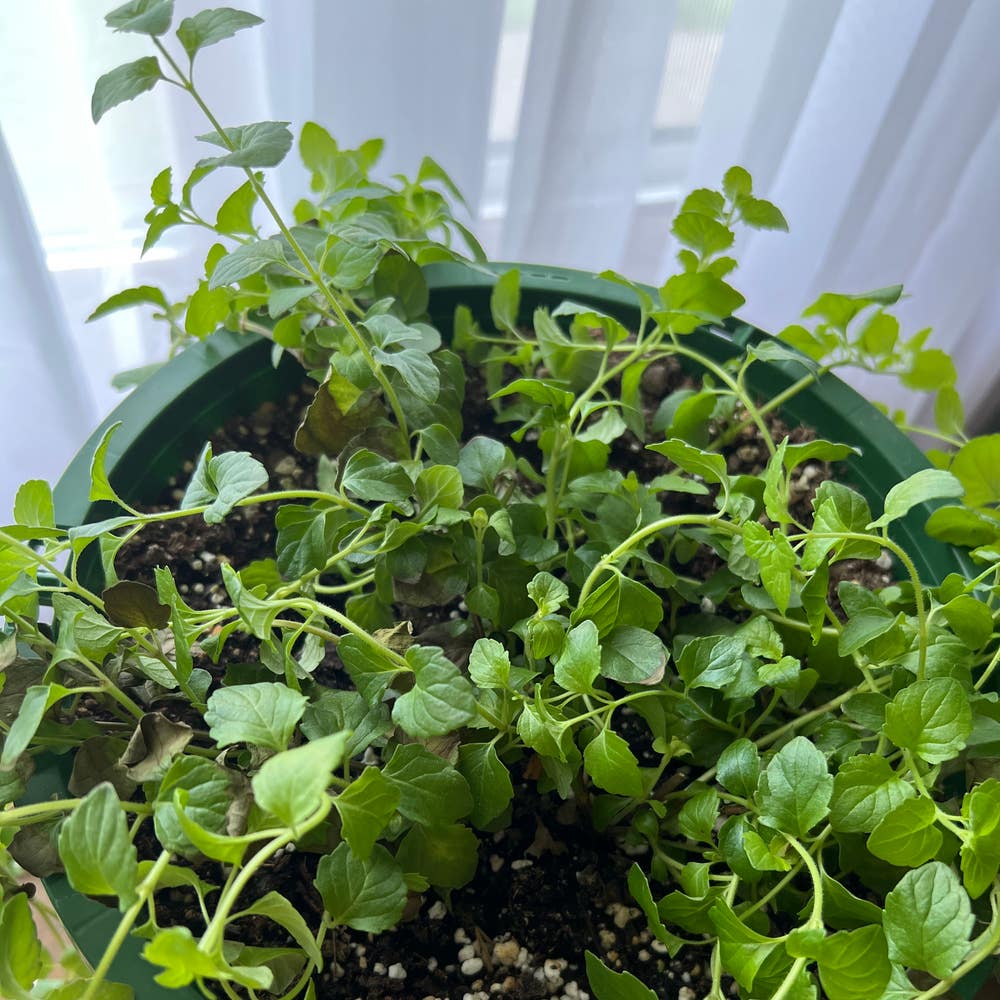
🥬 Indian Mint Roots 101
Coleus amboinicus
By the Greg Editorial Team
Nov 06, 2024•6 min read
This article was created with the help of AI so we can cover more plants for you. May contain errors. See one? Report it here.
Master Indian Mint's unique root system 🌱 to ensure vibrant growth and thriving plants in your garden!
- 🌱 Indian Mint has rhizomatous roots that enable rapid growth and adaptability.
- 💧 Consistent moisture is crucial; avoid overwatering to prevent root rot.
- 🌿 Healthy roots indicate plant vigor; monitor for signs of distress regularly.
Root System Characteristics
🌱 Rhizomatous Roots
Rhizomatous roots are fascinating structures. They are horizontal underground stems that produce both roots and shoots, allowing plants to thrive in diverse environments.
These roots have remarkable characteristics. They spread quickly, establishing themselves in various conditions, which is essential for survival. Additionally, rhizomes can form new plants, enhancing propagation and ensuring the species continues to flourish.
Moreover, their extensive network provides resilience against environmental stressors. This adaptability allows the plant to access nutrients and water efficiently, making it a robust choice for gardeners and landscapers alike.
Understanding these root systems is crucial for anyone looking to cultivate Indian Mint successfully. With their ability to spread and adapt, these roots play a vital role in the overall health and vitality of the plant.
As we delve deeper into the root system, we will explore how these characteristics influence growth patterns and care techniques.
Root Depth and Growth Patterns
🌱 Depth and Spread
The root system of Indian Mint typically reaches an average depth of 12-18 inches (30-45 cm), depending on the soil conditions. This depth allows the plant to access vital nutrients and moisture.
The roots can spread significantly, extending up to 24 inches (60 cm) or more. This extensive spread enhances the plant's ability to absorb water and nutrients efficiently.
📈 Growth Patterns
During the initial establishment phase, Indian Mint exhibits rapid horizontal growth. This quick expansion helps create a robust network of roots.
As the growing season progresses, root activity increases, especially in warmer months. This seasonal growth is crucial for the plant's overall health and vigor.
In times of stress, such as drought, the roots adapt by deepening in search of moisture. This resilience is key to the plant's survival in varying environmental conditions.
Understanding these growth patterns is essential for effective care and maintenance of Indian Mint. With the right attention, you can ensure a thriving root system that supports healthy plant growth.
Watering, Fertilizing, and Transplanting
💧 Watering Needs
Consistent moisture is crucial for the health of rhizomatous roots. Regular watering helps these roots thrive, ensuring they can absorb nutrients effectively.
However, be cautious of overwatering. Signs like yellowing leaves, root rot, and stunted growth indicate that your plant may be receiving too much water.
🌱 Fertilization Techniques
To promote robust growth, use balanced NPK (Nitrogen, Phosphorus, Potassium) fertilizers. These nutrients are essential for the overall health of your Indian Mint.
Apply fertilizers every 4-6 weeks during the growing season. Incorporate them into the soil around the root zone to enhance absorption and effectiveness.
🌿 Transplanting Considerations
Timing is key when it comes to transplanting. Aim to do this during the plant's active growth periods to minimize root disturbance.
When transplanting, handle the roots gently to avoid shock. This care will help your Indian Mint establish itself quickly in its new environment.
With proper watering, fertilization, and transplanting techniques, your Indian Mint will flourish, setting the stage for healthy growth and propagation. Next, let’s explore common root-related issues that can affect your plant’s health.
Common Root-Related Issues
Identifying Problems 🌱
Root health is crucial for the overall vitality of Indian Mint. One of the most common issues is root rot, which manifests through symptoms like wilting, yellowing leaves, and mushy roots. If you notice these signs, it's a clear indication that your plant is struggling.
Another prevalent issue is compacted soil. This condition can lead to poor drainage and stunted growth, making it difficult for roots to access essential nutrients and water. Recognizing these problems early can save your plant from further decline.
Solutions and Prevention 🛠️
Preventing root rot starts with ensuring well-draining soil. Avoid overwatering, as this is a primary cause of root rot. Regularly check the moisture levels and only water when necessary.
To combat compacted soil, consider aerating the soil regularly. This practice improves airflow and allows roots to breathe. Additionally, incorporating organic matter can enhance soil texture, promoting healthier root growth.
By staying vigilant and proactive, you can maintain a robust root system for your Indian Mint, ensuring it thrives in your garden. Next, let's explore how to identify indicators of root health.
Indicators of Root Health
👀 Visual Cues
Healthy roots are a gardener's dream. Look for roots that are firm, with a white or light tan color, showcasing a strong, fibrous structure.
In contrast, unhealthy roots tell a different story. Dark brown or black roots, along with a mushy texture and foul odor, indicate serious issues that need immediate attention.
📊 Other Indicators
Beyond the roots themselves, overall plant vigor is a key indicator of root health. A thriving plant will display healthy growth, vibrant leaves, and a notable resistance to pests.
Soil moisture levels also play a crucial role. Consistent moisture without waterlogging is a sign that your root system is functioning well, ensuring your plant gets the nutrients it needs to flourish.
Understanding these indicators can empower you to take action before problems escalate, keeping your Indian Mint healthy and robust. As we delve deeper into root-related challenges, you'll be better equipped to maintain the vitality of your plants.
Recognizing and Addressing Rootbound Plants
📖 Definition and Signs
Rootbound plants experience a condition where their roots grow in a circular pattern due to limited space. This can lead to stunted growth, making it crucial to recognize the signs early.
Common indicators of rootbound plants include roots emerging from drainage holes, slow growth, and wilting even when the soil is adequately watered. If you notice these symptoms, it’s time to take action.
🛠️ Solutions
To address rootbound conditions, timing is key. Regularly check your plants during repotting or seasonal growth assessments to catch any issues early.
If you find a rootbound plant, repot it into a larger container to give the roots room to expand. Gently loosen the roots to encourage new growth and trim any excessively long roots if necessary. This simple intervention can rejuvenate your plant and promote healthier growth.
By staying vigilant and proactive, you can ensure your plants thrive and avoid the pitfalls of being rootbound. Next, let’s explore the importance of root health in propagation and division.
Propagation and Division
🌱 Importance of Root Health
Healthy roots are the backbone of successful propagation and division. They ensure that new plants can thrive and establish themselves quickly in their new environments.
✂️ Techniques for Dividing
⏰ Timing
The best time to divide Indian Mint is in early spring or fall. This timing aligns with the plant's active growth phase, promoting quicker recovery.
🔪 Method
Careful Digging: Start by gently digging up the plant. Aim to disturb the root system as little as possible to maintain its health.
Dividing Rhizomes: Use a sharp, clean knife to cut the rhizomes into sections. Each section should have at least one healthy bud to ensure successful growth.
Replanting: Replant the divided sections immediately in well-prepared soil. This helps the new plants establish quickly and reduces transplant shock.
🏁 Conclusion
Understanding and caring for Indian Mint's root system is crucial for ensuring a thriving, healthy plant. By focusing on root health during propagation and division, you set the stage for vibrant growth and robust plants.
⚠️ Safety First
This content is for general information and may contain errors, omissions, or outdated details. It is not medical, veterinary advice, or an endorsement of therapeutic claims.
Always consult a qualified healthcare professional before using any plant as food, medicine, or supplement.
Never eat any plant (or feed one to pets) without confirming its identity with at least two trusted sources.
If you suspect poisoning, call Poison Control (800) 222-1222, the Pet Poison Helpline (800) 213-6680, or your local emergency service immediately.
Spotted an error? Please report it here.
Unlock the secret to thriving Indian Mint roots 🌿 with Greg's tailored care reminders and expert tips that will keep your mint healthy and flourishing!