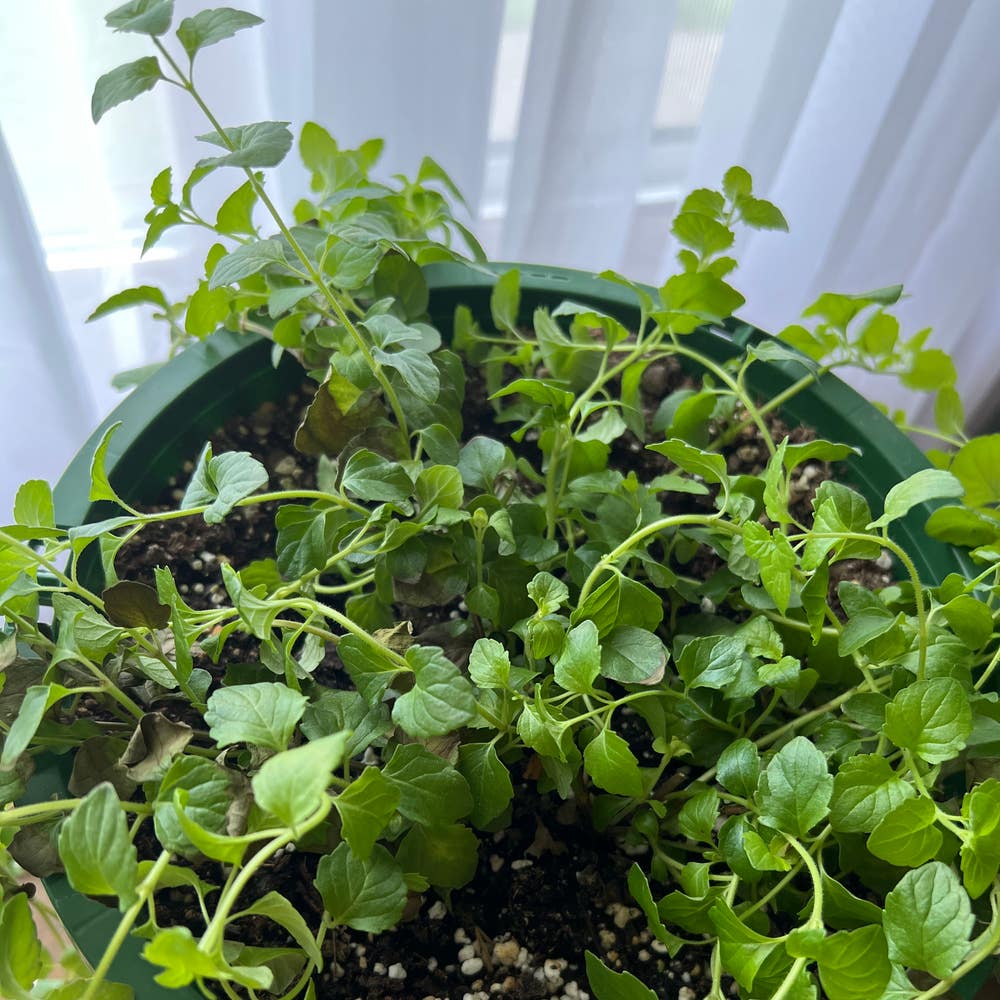
The Best Pollinators for Your Cuban Oregano 🐝
Coleus amboinicus
By the Greg Editorial Team
Nov 24, 2024•6 min read
This article was created with the help of AI so we can cover more plants for you. May contain errors. See one? Report it here.
Boost your Cuban Oregano's growth and resilience by mastering its unique pollination methods! 🌼🌱
- 🌼 Cuban Oregano self-pollinates, ensuring seed production without external help.
- 🐝 Bees, butterflies, and hummingbirds are key pollinators for vibrant Cuban Oregano flowers.
- 🌱 Create a pollinator-friendly garden with diverse plants to boost pollination success.
Self-Pollination vs. Cross-Pollination
🌱 Self-Pollination
Cuban Oregano is primarily self-pollinating, which means it can produce seeds without relying on external pollinators. This trait is particularly beneficial in environments where pollinator activity is low, ensuring that your plants can still thrive.
Self-pollination also helps maintain genetic consistency in stable environments. This means that if you have a successful plant, its offspring are likely to share those desirable traits.
🌼 Cross-Pollination
On the other hand, cross-pollination introduces genetic diversity, which can lead to more robust and resilient plants. By attracting various pollinators, you can maximize seed production and enhance the overall vigor of your Cuban Oregano.
Encouraging cross-pollination not only benefits your plants but also contributes to a healthier ecosystem. So, while self-pollination is a reliable method, fostering a pollinator-friendly environment can yield even greater rewards.
Flower Structure
Description of Flower Parts 🌸
Cuban Oregano flowers are a sight to behold, featuring small, tubular petals that typically bloom in shades of purple or white. These petals are arranged in whorls, creating a striking visual appeal.
The green sepals serve as protective leaf-like structures for the flower bud. Meanwhile, the stamens, which are the male reproductive parts, produce pollen, while the pistils, the female parts, are designed to receive that pollen.
How Flower Structure Facilitates Pollination 🐝
The tubular shape of Cuban Oregano flowers is specifically designed to attract certain pollinator species. This unique structure not only enhances visibility but also makes it easier for pollinators to access the nectar.
Additionally, the arrangement of flowers in whorls increases their accessibility, making it a breeze for bees, butterflies, and hummingbirds to visit. The vibrant colors and abundant nectar entice these pollinators, facilitating effective pollen transfer and ensuring a thriving plant.
As we delve deeper into the world of Cuban Oregano, understanding the role of natural pollination will reveal how these beautiful flowers interact with their environment.
Natural Pollination
🌼 Mechanisms of Pollen Transfer
Natural pollination is a fascinating process where pollinators visit flowers primarily for nectar. In doing so, they inadvertently transfer pollen from the stamens to the pistils, facilitating fertilization.
While wind can assist in pollen movement, it is less effective for Cuban Oregano. This plant relies heavily on its pollinator friends to ensure successful reproduction.
🐝 Role of Pollinator Species
Bees are the stars of the show when it comes to pollination. Their attraction to nectar makes them vital players in the pollination game.
Butterflies also contribute significantly, drawn in by the colorful flowers. Their fluttering visits help enhance cross-pollination, leading to healthier plants.
Nocturnal moths join the mix, attracted by the scent and nectar, providing essential nighttime pollination. Meanwhile, hummingbirds are captivated by the tubular flowers, transferring pollen as they feed.
Together, these pollinator species create a vibrant ecosystem that supports the growth and vitality of Cuban Oregano. By understanding their roles, you can appreciate the intricate relationships that sustain your garden.
As we explore how to support these essential pollinators, consider the ways you can create a welcoming environment for them.
Hand Pollination
Hand pollination can be a rewarding way to ensure your Cuban Oregano thrives, especially when natural pollinators are scarce. Here’s a straightforward guide to help you through the process.
🌼 Step-by-Step Instructions for Hand Pollination
Identify Male and Female Flower Parts:
Start by locating the stamens, which are the male parts, and the pistils, the female parts, within the flower.Collecting Pollen:
Gently tap or brush the stamens to collect pollen on a small tool, like a cotton swab.Transferring Pollen:
Carefully apply the collected pollen to the stigma of the pistil to facilitate fertilization.Timing:
For the best results, perform hand pollination in the morning when the flowers are fully open.
🔍 Identifying Male and Female Flower Parts
Understanding the flower structure is crucial for successful hand pollination.
Male Parts (Stamens):
These are typically more numerous and surround the central pistil.Female Parts (Pistils):
Usually located centrally, these may feel sticky, helping to capture pollen effectively.
By mastering hand pollination, you can enhance seed production and ensure your Cuban Oregano flourishes. Next, let’s explore how to create a pollinator-friendly environment to support these vital processes.
Supporting Pollinators
🌼 Creating a Pollinator-Friendly Environment
To support pollinators effectively, start by planting a diverse range of flowering plants. This variety attracts different species, ensuring a vibrant ecosystem around your Cuban Oregano.
Avoid using pesticides, as they can harm beneficial insects. Instead, consider natural alternatives to protect your plants while keeping pollinators safe.
Additionally, provide water sources and shelter for pollinators. Simple features like shallow dishes filled with water or small brush piles can make a significant difference.
🌸 Companion Plants to Attract Pollinators
Companion planting is a fantastic strategy to enhance pollination. For instance, marigolds are excellent at attracting bees and other beneficial insects, making them a perfect partner for your Cuban Oregano.
Lavender is another great choice, known for drawing in butterflies and bees alike. Its fragrant blooms not only beautify your garden but also create a welcoming habitat for pollinators.
Borage is a favorite among bees and can significantly boost pollination success for nearby plants. Its vibrant blue flowers are not just pretty; they serve as a magnet for pollinators, ensuring your garden thrives.
By fostering a pollinator-friendly environment and incorporating companion plants, you can create a flourishing ecosystem that benefits your Cuban Oregano and the pollinators that support it.
Next, let’s explore the challenges that can arise in the pollination process and how to overcome them.
Pollination Challenges
Common Obstacles to Successful Pollination 🌧️
Pollination can be tricky for Cuban Oregano due to several environmental factors. Temperature fluctuations can disrupt flower opening and nectar availability, while low humidity levels may deter pollinator activity altogether.
Urban areas or gardens dominated by a single crop often lack the diversity needed to attract a variety of pollinators. This scarcity can significantly impact the effectiveness of natural pollination.
Solutions for Overcoming Pollination Challenges 🌼
To combat these challenges, consider creating a diverse garden filled with various flowering plants. This strategy not only attracts more pollinators but also enhances the overall health of your garden ecosystem.
Monitoring environmental conditions is crucial. Adjusting care practices, such as watering and providing shade, can help maintain optimal humidity and temperature for your plants.
In times of low pollinator activity, supplemental hand pollination can be a lifesaver. This technique ensures that your Cuban Oregano continues to produce seeds, even when nature falls short.
By addressing these challenges proactively, you can foster a thriving environment for your plants and their pollinators. Next, let’s explore how to support these vital creatures in your garden.
⚠️ Safety First
This content is for general information and may contain errors, omissions, or outdated details. It is not medical, veterinary advice, or an endorsement of therapeutic claims.
Always consult a qualified healthcare professional before using any plant as food, medicine, or supplement.
Never eat any plant (or feed one to pets) without confirming its identity with at least two trusted sources.
If you suspect poisoning, call Poison Control (800) 222-1222, the Pet Poison Helpline (800) 213-6680, or your local emergency service immediately.
Spotted an error? Please report it here.
Boost your Cuban Oregano's pollination success 🌱 by using Greg's personalized care tips to create a thriving garden that attracts the best pollinators!