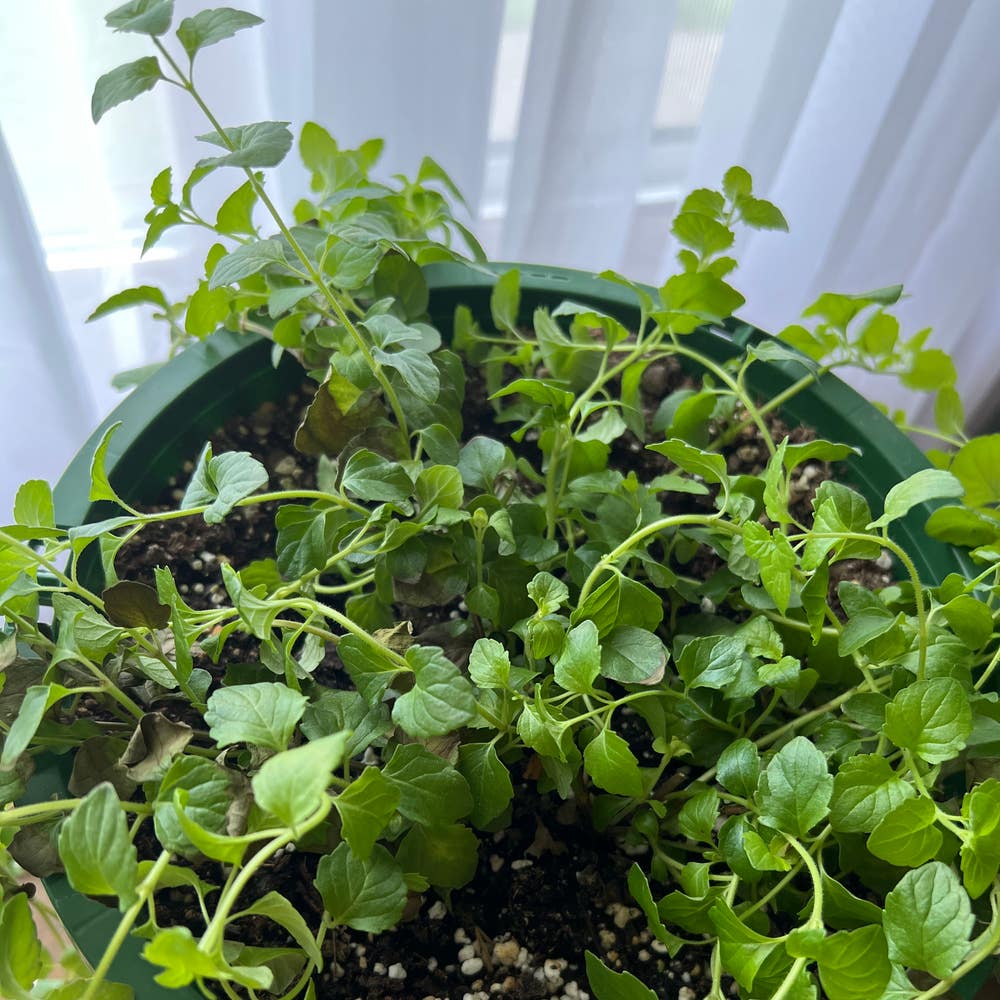
Where to Plant: Indian Borage 🥄
Coleus amboinicus
By the Greg Editorial Team
Jan 06, 2025•6 min read
This article was created with the help of AI so we can cover more plants for you. May contain errors. See one? Report it here.
Unlock your garden's potential 🌱 by discovering the best spots to plant Indian Borage for thriving growth!
- 🌞 Assess sunlight and microclimates for optimal Indian Borage growth in your garden.
- 🌱 Ensure well-draining soil to prevent root rot and promote healthy plants.
- 🌬️ Provide wind protection using natural barriers for thriving Indian Borage.
Assessing the Best Spot
Evaluating Garden Layout 🌞
Finding the perfect spot for your Indian Borage starts with understanding sunlight patterns. Observe how sunlight moves across your garden throughout the day; this will help you identify areas that receive ample light.
Next, consider the height of surrounding plants and structures. Taller plants or buildings can cast shadows, affecting the growth of your Indian Borage.
Accessibility is also crucial. Ensure that your chosen spot allows for easy maintenance and harvesting, making your gardening experience enjoyable and efficient.
Identifying Microclimates 🌤️
Microclimates are fascinating! These are areas within your garden that have different climate conditions compared to the surrounding space.
Factors like shade from trees, walls, or buildings can create these unique environments. Look for warm, sheltered spots that receive good sunlight; these are often the best locations for planting your Indian Borage.
Considering Wind Protection Needs 🌬️
Wind protection is vital for the health of your plants. Strong winds can damage foliage and hinder growth, so it's essential to consider this when selecting a planting site.
Natural windbreaks, such as fences, walls, or taller plants, can provide the necessary shelter. Assess the wind exposure in your potential planting sites to ensure your Indian Borage thrives in a protected environment.
With these considerations in mind, you're well on your way to selecting the ideal spot for your Indian Borage. Next, let's explore the importance of drainage and soil conditions to ensure your plants flourish.
Drainage and Soil Conditions
🌊 Importance of Well-Draining Soil
Well-draining soil is crucial for the health of your Indian Borage. Poor drainage can lead to root rot and stunted growth, which can be devastating for your plants.
To ensure good drainage, look for soil with a loose, crumbly texture. This type of soil allows water to flow through easily, preventing the roots from sitting in water.
Testing your soil's drainage is simple. Conduct a water test by digging a hole, filling it with water, and observing how quickly it absorbs. If the water disappears within a few hours, your soil is likely well-draining.
🧪 Soil Amendments for Optimal Growth
To enhance drainage, consider adding amendments like perlite, sand, or compost. These materials can significantly improve soil structure and promote healthy root development.
A good mixing ratio is one part amendment to two parts native soil. This balance ensures that your Indian Borage has the nutrients it needs while benefiting from improved drainage.
Timing is key when it comes to soil amendments. Apply them before planting and refresh the soil during seasonal changes to maintain optimal conditions for growth.
With the right soil and drainage, your Indian Borage will thrive, setting the stage for a vibrant garden. Next, let’s explore the differences between indoor and outdoor planting to maximize your gardening success.
Indoor vs. Outdoor Planting
Best Practices for Indoor Planting 🌱
When it comes to indoor planting, positioning is key. South-facing windows are ideal for Indian Borage, as they provide the maximum sunlight needed for healthy growth.
Choosing the right container is equally important. Always select pots with drainage holes to prevent water from pooling, which can lead to root rot.
To keep your plants thriving, rotate them regularly. This ensures even light exposure and helps prevent any one side from becoming leggy.
Outdoor Planting Considerations 🌍
For outdoor planting, timing is crucial. The best time to plant Indian Borage is in the spring, after the last frost has passed.
Seasonal adjustments are necessary for optimal growth. Keep an eye on temperature and moisture levels to ensure your plants are comfortable.
Before planting, prepare your outdoor site by clearing away debris. Testing the soil conditions will also help you understand what amendments might be needed for a successful garden.
With these tips, you can create the perfect environment for your Indian Borage, whether indoors or outdoors. Next, let’s explore the benefits of companion planting and how it can enhance your garden's health and productivity.
Companion Planting
Suitable Companion Plants 🌱
When planting Indian Borage, consider companions like tomatoes, peppers, and various herbs. These plants thrive together, enhancing each other's growth and creating a vibrant garden.
Companion planting offers significant benefits, including natural pest control and improved growth rates. By strategically placing these plants together, you can create a more productive and resilient garden.
Avoiding Negative Interactions ⚠️
It's essential to be mindful of plants that may compete for nutrients. Some plants can hinder the growth of Indian Borage, so research compatibility before planting.
Benefits of Companion Planting 🌼
One of the standout advantages of companion planting is its ability to deter pests naturally. Indian Borage, in particular, repels common nuisances like aphids and spider mites, keeping your garden healthier.
Additionally, companion planting enhances biodiversity, supporting a thriving garden ecosystem. This diversity attracts beneficial insects and pollinators, which are crucial for a balanced environment.
Improving soil health is another key benefit. The interactions between different plants can enrich the soil, making it more fertile and conducive to growth.
Incorporating companion planting into your gardening strategy not only boosts productivity but also fosters a more sustainable and lively garden. As you plan your planting, remember to embrace the synergy of plants working together for a flourishing garden.
With these insights, you're well-equipped to make informed decisions about your garden's layout. Next, let's explore the specific location needs for Indian Borage to ensure optimal growth.
Specific Location Needs
🌳 Shade Tolerance and Sun Requirements
Indian Borage is quite adaptable when it comes to light conditions. It can thrive in both full sun and partial shade, making it a versatile choice for various garden layouts.
When planting, consider the positioning relative to taller plants or structures. This ensures that your Indian Borage receives adequate sunlight while avoiding excessive shade.
Monitoring your plant's response is crucial. Look for signs of stress, such as leggy growth or yellowing leaves, which may indicate insufficient light.
📍 Adjusting Planting Strategies Based on Location
Tailoring care based on your specific environment is essential for optimal growth. Adjust soil amendments and watering frequency according to the conditions of your planting site.
Seasonal considerations also play a significant role. Be prepared to adjust exposure and provide protection during extreme weather, ensuring your plants remain healthy.
Long-term planning is key to successful gardening. Regularly evaluate growth patterns and adjust spacing as needed to accommodate the expanding size of your Indian Borage.
By understanding these specific location needs, you can create an ideal environment for your Indian Borage to flourish. This sets the stage for exploring companion planting, which can further enhance your garden's productivity and health.
⚠️ Safety First
This content is for general information and may contain errors, omissions, or outdated details. It is not medical, veterinary advice, or an endorsement of therapeutic claims.
Always consult a qualified healthcare professional before using any plant as food, medicine, or supplement.
Never eat any plant (or feed one to pets) without confirming its identity with at least two trusted sources.
If you suspect poisoning, call Poison Control (800) 222-1222, the Pet Poison Helpline (800) 213-6680, or your local emergency service immediately.
Spotted an error? Please report it here.
Maximize your Indian Borage's potential by choosing the ideal planting spot with Greg's customized care reminders 🌱, ensuring it thrives in your garden!