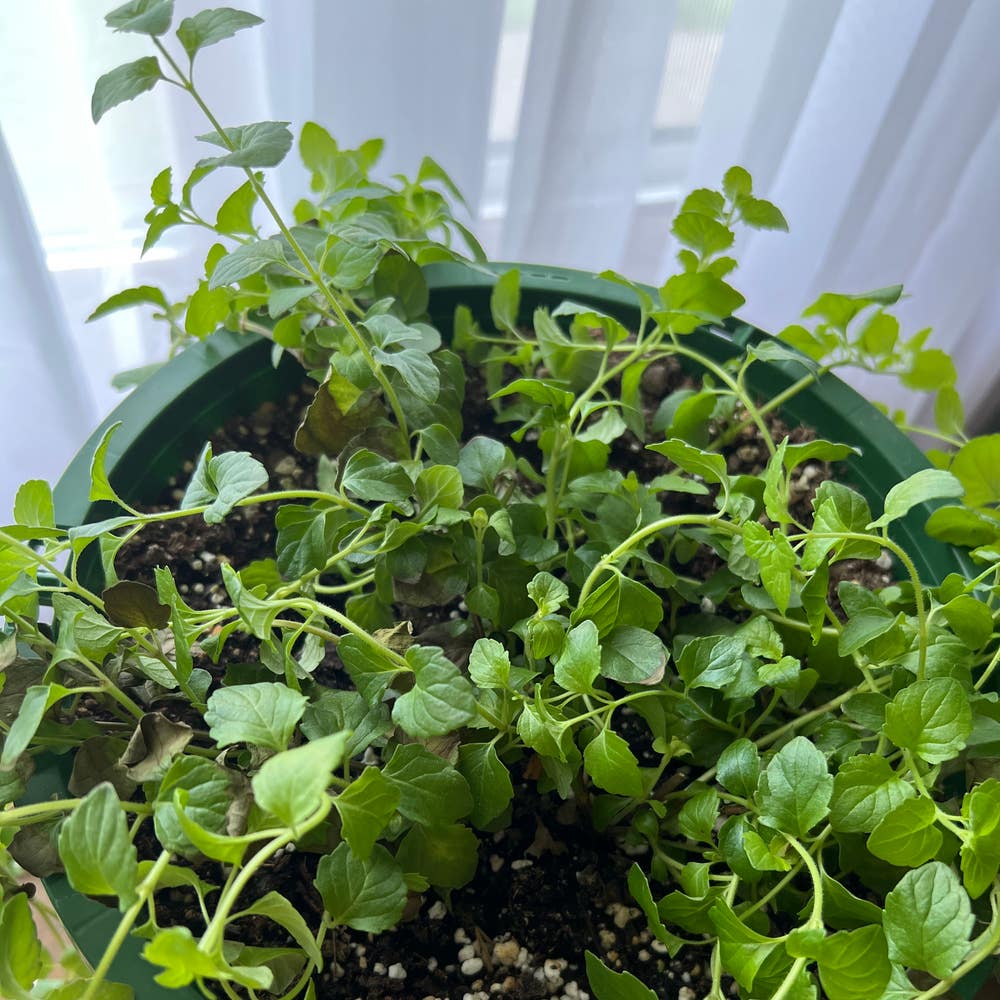
How to Fix Root Rot in Your Indian Borage 💧
Coleus amboinicus
By the Greg Editorial Team
Nov 24, 2024•6 min read
This article was created with the help of AI so we can cover more plants for you. May contain errors. See one? Report it here.
Save your Indian Borage from root rot 🌱 and watch it thrive with these essential diagnosis and treatment tips! 🌿
- 💧 Overwatering causes root rot; water every 1-2 weeks based on conditions.
- 🌱 Healthy roots are firm and white; dark, mushy roots indicate rot.
- 🧼 Disinfect pots and use well-draining soil to prevent future root rot.
Causes of Root Rot
💧 Overwatering
Overwatering is a primary culprit behind root rot. When the soil remains too moist for extended periods, it deprives roots of oxygen, leading to decay.
To prevent this, aim to water your Indian Borage every 1-2 weeks, adjusting based on environmental conditions like humidity and temperature.
🏞️ Soil Drainage Issues
Well-draining soil is crucial for healthy plant roots. Soil that retains too much moisture can create a breeding ground for root rot.
Common soil types that can cause drainage issues include heavy clay and compacted soils. Opt for a mix that allows excess water to escape easily.
🍄 Fungal Infections
Fungi such as Pythium and Phytophthora are notorious for causing root rot. These pathogens thrive in overly wet conditions, making it essential to manage moisture levels.
Conditions that promote fungal growth include poor air circulation and high humidity. Keeping your plant's environment balanced can help prevent these infections.
Symptoms of Root Rot
Visual Signs 🌿
One of the first indicators of root rot in your Indian Borage is yellowing leaves. This change often signals stress and nutrient deficiency, as the plant struggles to absorb essential nutrients.
Another key symptom is wilting, even when you’ve watered adequately. This paradox can be alarming, but it’s a classic sign that the roots are compromised.
Root Health Indicators 🧪
When examining the roots, look for dark, mushy roots. Healthy roots should be firm and white, while rotting roots will appear soft and discolored.
Additionally, a foul odor emanating from the soil is a clear sign of decaying roots. This unpleasant smell indicates that the roots are breaking down, further confirming the presence of root rot.
Recognizing these symptoms early can make a significant difference in your plant's recovery. Next, let’s explore how to diagnose root rot effectively.
How to Diagnose Root Rot
Diagnosing root rot in your Indian Borage is crucial for effective treatment. Follow these steps to identify the problem early and take action.
Step-by-Step Diagnosis 🌱
Inspect the soil moisture level: Start by checking the moisture content. Use a moisture meter or simply stick your finger into the soil to gauge its dampness.
Check the roots: Carefully remove the plant from its pot. Examine the roots for any signs of rot, such as discoloration or mushiness.
Assess overall plant health: Look for additional stress indicators, like leaf drop or wilting. These signs can help confirm if root rot is the issue.
Tools Needed for Diagnosis 🛠️
- Clean pruning shears: Essential for inspecting and trimming any affected roots.
- Gloves: Wear gloves to prevent contamination and protect your hands while handling the plant.
By following these steps and using the right tools, you can effectively diagnose root rot and take the necessary steps to save your Indian Borage. Once you've assessed the situation, you’ll be ready to move on to treating the problem effectively.
Treating Root Rot
Step-by-Step Guide 🌱
Remove the plant from its pot: Start by gently taking out your Indian Borage from its pot. Be careful not to damage the roots during this process.
Clean the roots: Rinse the roots under lukewarm water to wash away any soil. After rinsing, trim away any dark, mushy roots using sterilized shears to prevent further infection.
Disinfect the pot: Sanitize the pot with a diluted bleach solution or rubbing alcohol. This step is crucial to eliminate any lingering pathogens that could harm your plant.
Prepare fresh soil: Opt for a well-draining potting mix or cactus mix. This will help prevent future moisture retention and promote healthy root growth.
Repot the plant: Place the Indian Borage in the new soil, ensuring proper depth and spacing. Make sure the roots are spread out and not cramped, as this will encourage better growth.
Recommended Treatments and Products 🧴
Fungicides
Types of fungicides: Look for fungicides specifically designed for root rot treatment, such as those containing active ingredients like azoxystrobin or propiconazole. These can help combat the fungi causing the rot.
Application instructions: Follow the manufacturer's guidelines for application. Generally, you'll want to apply the fungicide to the soil after repotting and reapply as directed.
Soil Amendments 🪴
- Improving drainage: Consider adding perlite or sand to your potting mix. These materials enhance soil aeration and drainage, reducing the risk of future root rot.
By following these steps and using the right products, you can effectively treat root rot and give your Indian Borage a fighting chance at recovery. Next, let's explore how to prevent root rot from occurring in the first place.
Preventing Root Rot
Best Practices for Watering 🌊
Establishing a consistent watering schedule is crucial for preventing root rot in your Indian Borage. Adjust your frequency based on seasonal changes and environmental conditions, typically watering every 1-2 weeks.
Watch for signs of overwatering, such as yellowing leaves and wilting, which indicate that your plant may be struggling. These symptoms can be early warnings that your watering practices need adjustment.
Importance of Soil Drainage and Aeration 🏞️
The right soil composition is vital for healthy root development. Aim for a mix that includes 50% potting soil, 25% perlite, and 25% sand to ensure optimal drainage and aeration.
To further enhance soil aeration, consider mixing in coarse materials like gravel or pumice. This will help prevent water from pooling around the roots, reducing the risk of rot.
Choosing the Right Pot 🪴
Selecting the appropriate pot size can make a significant difference in your plant's health. A general rule is to choose a pot that is 1-2 inches larger than the root ball to provide enough space for growth without excessive moisture retention.
Don't overlook the importance of drainage holes in your pots. These holes are essential for allowing excess water to escape, preventing water accumulation that can lead to root rot.
By following these preventive measures, you can create a thriving environment for your Indian Borage. With proper care, your plant will flourish, setting the stage for a smooth transition into post-treatment care.
Post-Treatment Care
Signs of Recovery 🌱
After treating root rot, it's essential to monitor your Indian Borage for signs of recovery. Look for new leaf growth and a vibrant color, which indicate that the plant is bouncing back.
Additionally, check the roots. Healthy roots should feel firm and resilient, contrasting with the mushy texture of rotting roots.
Ongoing Care After Treatment 💧
Adjusting your watering practices is crucial during the recovery phase. Gradually reintroduce water based on the plant's response, ensuring you don't overdo it.
Fertilization also plays a role in recovery. Lightly feed your plant with a balanced fertilizer once you notice signs of health restoration.
Monitoring for Future Issues 🔍
Establish a regular inspection routine to keep an eye on moisture levels and root health. Frequent checks will help you catch any potential problems early.
Consider keeping a journal to document your watering schedules and the plant's responses. This practice can provide valuable insights for future care and help you refine your approach.
⚠️ Safety First
This content is for general information and may contain errors, omissions, or outdated details. It is not medical, veterinary advice, or an endorsement of therapeutic claims.
Always consult a qualified healthcare professional before using any plant as food, medicine, or supplement.
Never eat any plant (or feed one to pets) without confirming its identity with at least two trusted sources.
If you suspect poisoning, call Poison Control (800) 222-1222, the Pet Poison Helpline (800) 213-6680, or your local emergency service immediately.
Spotted an error? Please report it here.
Revive your Indian Borage from root rot and thrive 🌱 with Greg's tailored watering reminders and soil tips that keep your plant healthy and happy!