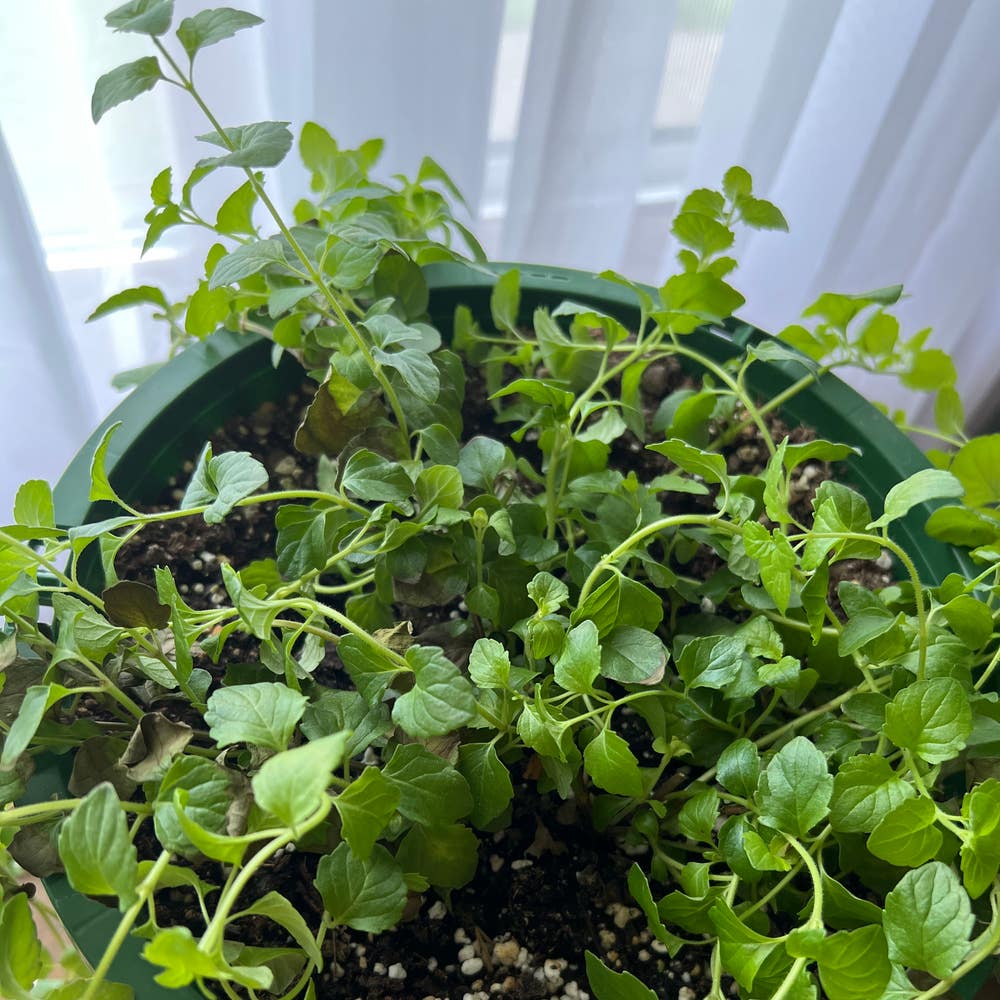
What to Do About Yellow Leaves on Your Indian Borage
Coleus amboinicus
By the Greg Editorial Team
Nov 24, 2024•5 min read
This article was created with the help of AI so we can cover more plants for you. May contain errors. See one? Report it here.
Revive your Indian Borage 🌱 and banish yellow leaves with these essential care tips for vibrant growth!
- 🌱 Yellow leaves on Indian Borage indicate overwatering, nutrient deficiencies, or pests.
- 💧 Prevent yellowing by ensuring proper drainage and a balanced watering schedule.
- 🐛 Regularly inspect for pests and fungal infections to maintain plant health.
Causes of Yellow Leaves
💧 Overwatering and Its Effects
Overwatering is a common issue that can lead to yellow leaves on your Indian Borage. Symptoms include yellowing of the lower leaves, wilting even when the soil feels wet, and the potential development of root rot.
Proper soil drainage is crucial to prevent water accumulation. A recommended soil mix consists of 50% potting soil, 30% perlite, and 20% sand to ensure your plant thrives.
🥦 Nutrient Deficiencies
Nitrogen Deficiency
A nitrogen deficiency can manifest as general yellowing of older leaves and stunted growth. This nutrient is vital for healthy foliage, so keeping an eye on your plant's color can help you catch deficiencies early.
Magnesium Deficiency
Magnesium deficiency presents itself through yellowing between leaf veins, known as interveinal chlorosis, along with leaf curling or browning at the tips. Addressing this deficiency promptly can help restore your plant's vigor.
🐛 Pest Infestations
Common Pests
Pests can wreak havoc on your Indian Borage, leading to yellow leaves.
- Aphids: Look for sticky residue on leaves and curled foliage.
- Spider Mites: Fine webbing and stippled leaves are telltale signs of these tiny invaders.
🍄 Fungal Infections
Root Rot
Root rot is a serious condition characterized by yellowing leaves, wilting, and mushy roots. To prevent this, always use well-draining soil and avoid waterlogging your plant.
Powdery Mildew
Powdery mildew appears as white, powdery spots on leaves, often accompanied by yellowing and curling. To prevent this fungal infection, ensure good airflow around your plants and avoid overhead watering.
Understanding these causes of yellow leaves is essential for maintaining the health of your Indian Borage. With the right knowledge, you can take proactive steps to keep your plant vibrant and thriving. Next, let’s explore how to diagnose yellow leaves effectively.
Diagnosing Yellow Leaves
🌱 Identifying Symptoms
Diagnosing yellow leaves on your Indian Borage starts with checking soil moisture. Use a moisture meter or your finger to test the top inch of soil; if it's still wet, you might be overwatering.
Next, assess root health by gently removing the plant from its pot. Look for signs of rot, such as mushy or discolored roots, which can indicate serious issues.
🎨 Observing Leaf Color and Texture
Pay close attention to the color and texture of the leaves. Compare older leaves to newer ones; older leaves turning yellow often signal nutrient deficiencies.
Conducting a soil test can also be beneficial. This will help you determine nutrient levels and pH, giving you insight into what your plant might be lacking.
🐜 Inspecting for Pests
Don’t forget to inspect the undersides of the leaves. Look for pests like aphids or spider mites, which can cause significant damage if left unchecked.
🌡️ Measuring Temperature and Humidity
Finally, measure the temperature and humidity around your plant. Use a thermometer and hygrometer to ensure your Indian Borage is in a suitable environment, as extreme conditions can contribute to yellowing leaves.
By carefully diagnosing these symptoms, you can pinpoint the underlying issues affecting your plant. This proactive approach sets the stage for effective solutions, ensuring your Indian Borage thrives.
Solutions for Yellow Leaves
🌊 Adjusting Watering Practices
To tackle yellow leaves on your Indian Borage, start by adjusting your watering habits.
- Establish a watering schedule: Water your plant when the top inch of soil feels dry. This simple practice helps prevent overwatering, a common culprit behind yellowing leaves.
- Use pots with drainage holes: Ensure your pots have drainage holes to avoid water accumulation, which can lead to root rot.
🌱 Fertilizing for Nutrient Balance
Next, focus on providing the right nutrients to your plant.
- Choose a balanced fertilizer: Opt for a fertilizer with an NPK ratio of 10-10-10 or something similar. This ensures your plant receives a well-rounded nutrient supply.
- Apply during the growing season: Fertilize every 4-6 weeks while your plant is actively growing to maintain its health and vibrancy.
🐛 Treating Pest Infestations
Pest problems can also lead to yellow leaves, so it's crucial to address them promptly.
- Identify the pest: Take a close look at your plant to determine the type of pest affecting it. Knowing what you're dealing with is key to effective control.
- Apply insecticidal soap or neem oil: Use these treatments according to the label instructions to eliminate pests without harming your plant.
🍄 Managing Fungal Infections
Fungal infections can wreak havoc on your Indian Borage, but you can manage them effectively.
- Improve air circulation: Space your plants adequately and prune any dense growth to enhance airflow. This reduces humidity around the leaves, making it less hospitable for fungi.
- Apply fungicides: For issues like powdery mildew, consider using organic fungicides. They can help restore your plant's health while being gentle on the environment.
By implementing these solutions, you can revitalize your Indian Borage and keep those yellow leaves at bay. Next, let's explore how to prevent yellow leaves from occurring in the first place.
Preventing Yellow Leaves
🌊 Best Practices for Watering
Watering your Indian Borage correctly is crucial for its health. Aim to water deeply but infrequently, allowing the top inch of soil to dry out between waterings.
🌱 Soil Selection and Drainage Tips
Choosing the right soil mix is essential for preventing yellow leaves. Opt for a well-draining potting mix that incorporates perlite and sand to enhance drainage.
🐞 Regular Pest Monitoring and Control
Keep a close eye on your plants by inspecting them weekly. Look for any signs of pests or disease, as early detection can save your plant from further damage.
By following these preventive measures, you can maintain the vibrant health of your Indian Borage and minimize the risk of yellow leaves. Next, let’s explore how to diagnose yellow leaves effectively.
⚠️ Safety First
This content is for general information and may contain errors, omissions, or outdated details. It is not medical, veterinary advice, or an endorsement of therapeutic claims.
Always consult a qualified healthcare professional before using any plant as food, medicine, or supplement.
Never eat any plant (or feed one to pets) without confirming its identity with at least two trusted sources.
If you suspect poisoning, call Poison Control (800) 222-1222, the Pet Poison Helpline (800) 213-6680, or your local emergency service immediately.
Spotted an error? Please report it here.
Keep your Indian Borage vibrant and healthy 🌿 by using Greg's tailored watering reminders and nutrient tips to prevent yellow leaves and promote thriving growth!