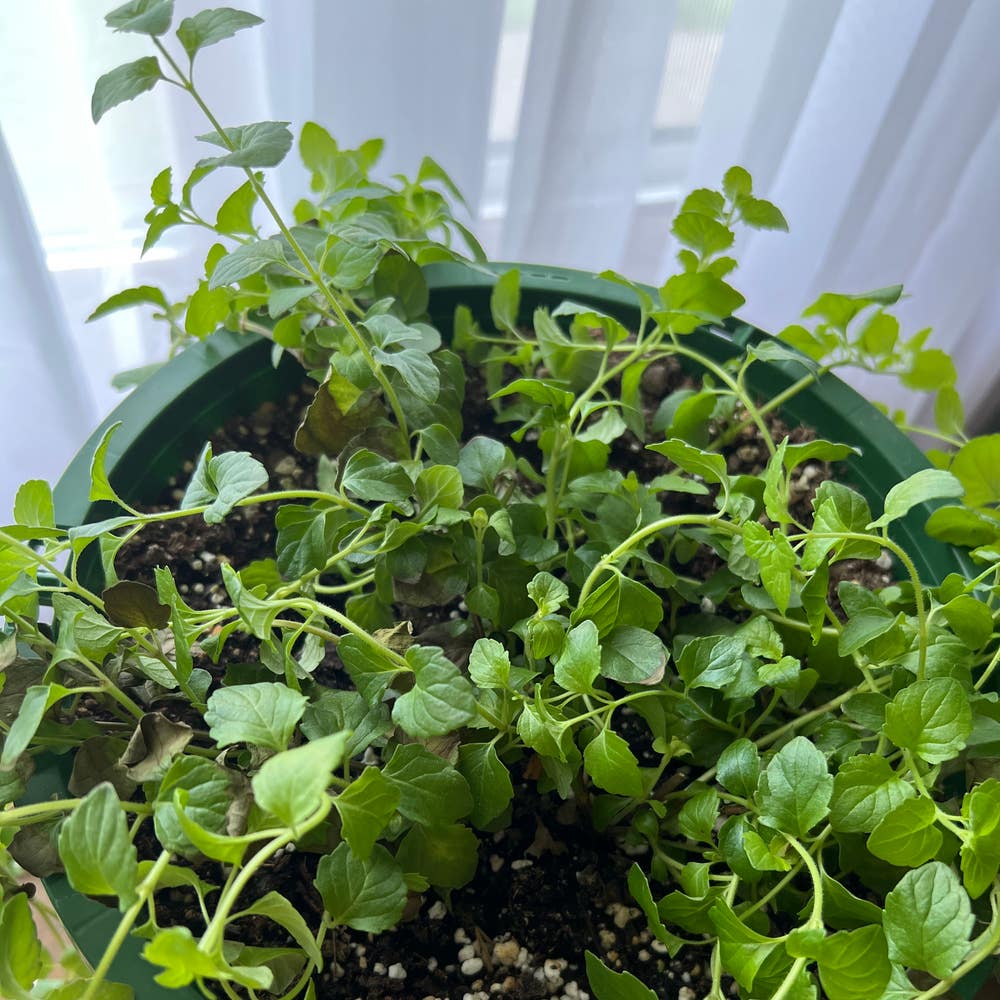
Cuban Oregano Varieties that Belong in Your Collection
Coleus amboinicus
By the Greg Editorial Team
Nov 24, 2024•4 min read
This article was created with the help of AI so we can cover more plants for you. May contain errors. See one? Report it here.
Elevate your garden and dishes with vibrant Cuban Oregano cultivars! 🌱 Uncover their unique flavors and beauty today.
- 🌱 Cuban Oregano varieties enhance gardens with unique flavors and aesthetics.
- 🍽️ Essential in Caribbean cuisine, it seasons meats, stews, and sauces beautifully.
- 🌿 Medicinal benefits include anti-inflammatory and antimicrobial properties for health enthusiasts.
Popular Cultivars
'Cuban Oregano' 🌿
Description and Characteristics
Cuban Oregano features thick, oval, and fleshy leaves that boast a glossy green appearance. This bushy, upright plant can reach heights of 12 to 24 inches, making it a striking addition to any herb garden.
Culinary Uses
In the kitchen, Cuban Oregano shines in Caribbean cuisine, where it’s commonly used to season meats, stews, and sauces. Beyond its culinary appeal, it also offers medicinal properties, known for its anti-inflammatory and antimicrobial effects, often utilized in traditional remedies.
'Golden Cuban Oregano' 🌟
Unique Color Variations
This cultivar stands out with its bright golden-yellow leaves, adding a splash of color to gardens. It thrives in full sun to partial shade, ensuring its vibrant color remains intact.
Size and Growth Habit
Golden Cuban Oregano grows compact and bushy, typically reaching about 12 inches tall. Its manageable size makes it ideal for container gardening, allowing you to enjoy its beauty even in small spaces.
'Variegated Cuban Oregano' 🎨
Leaf Patterns and Aesthetics
Variegated Cuban Oregano captivates with green leaves adorned with creamy white or yellow margins, creating a striking contrast. This aesthetic appeal makes it a popular choice for ornamental use in gardens and landscapes.
Care Requirements
To maintain its beautiful variegation, this cultivar prefers bright, indirect light. It also requires well-draining soil and moderate watering to prevent root rot, ensuring it thrives in your garden.
As you explore these popular cultivars, you'll discover the unique characteristics and culinary uses that make Cuban Oregano a must-have in any herb collection. Next, we’ll delve into hybrid varieties, showcasing their distinct traits and culinary applications.
Hybrid Varieties
🌱 Description and Unique Characteristics
Hybrid Cuban Oregano varieties are the result of crossbreeding different cultivars. This process aims to enhance specific traits, such as flavor, growth habit, or disease resistance.
🍽️ Culinary Applications
Some hybrids offer a milder flavor profile, making them perfect for delicate dishes. If you're looking to elevate your culinary creations without overwhelming them, these hybrids are a fantastic choice.
Hybrid varieties not only expand your gardening options but also enrich your cooking experiences. Their unique characteristics can add a new dimension to your herb collection, making them a must-have for any herb enthusiast.
As you explore the world of Cuban Oregano, consider how these hybrids can fit into your garden and kitchen. Next, let’s dive into the rare varieties that bring even more diversity to your collection.
Rare Varieties
🌱 Characteristics and Growing Conditions
Rare Cuban Oregano varieties often showcase unique growth habits, including trailing forms or unusual leaf shapes and colors. These distinctive traits can make them a fascinating addition to any herb collection.
To thrive, rare varieties typically require specific growing conditions. This includes maintaining optimal humidity levels and temperature control, which can be a bit challenging but rewarding for dedicated gardeners.
🛒 Availability and Sourcing
Finding rare Cuban Oregano cultivars can be an adventure in itself. Specialty nurseries and online plant retailers are excellent places to start your search for these unique plants.
When sourcing, look for reputable sellers who specialize in rare herbs. This ensures you receive healthy plants that are true to their variety, enhancing your gardening experience.
Comparative Analysis
Differences Between Common and Rare Varieties 🌱
Common Cuban oregano varieties are typically robust and easy to grow. They thrive in a variety of conditions, making them a favorite among gardeners.
In contrast, rare varieties often demand more specialized care. These unique plants may require specific humidity levels or temperature controls to flourish.
Size and Color Variations Among Cultivars 🎨
When it comes to leaf size, there's a fascinating range. Some rare varieties feature small, delicate leaves, while common cultivars boast large, fleshy foliage.
The color spectrum is equally diverse. You'll find vibrant greens, striking golds, and beautiful variegated patterns that can enhance any garden's aesthetic.
Special Care Requirements for Specific Cultivars 🛠️
Tailored care is essential for certain cultivars. Some may need specific light conditions, while others require particular watering routines or soil types to thrive.
Understanding these nuances can make all the difference in successfully cultivating your Cuban oregano collection. With the right knowledge, you can enjoy a thriving garden filled with both common and rare varieties.
⚠️ Safety First
This content is for general information and may contain errors, omissions, or outdated details. It is not medical, veterinary advice, or an endorsement of therapeutic claims.
Always consult a qualified healthcare professional before using any plant as food, medicine, or supplement.
Never eat any plant (or feed one to pets) without confirming its identity with at least two trusted sources.
If you suspect poisoning, call Poison Control (800) 222-1222, the Pet Poison Helpline (800) 213-6680, or your local emergency service immediately.
Spotted an error? Please report it here.
Elevate your herb garden with vibrant Cuban Oregano varieties 🌿 and let Greg guide you with tailored care tips to ensure they flourish while adding flavor to your culinary creations!