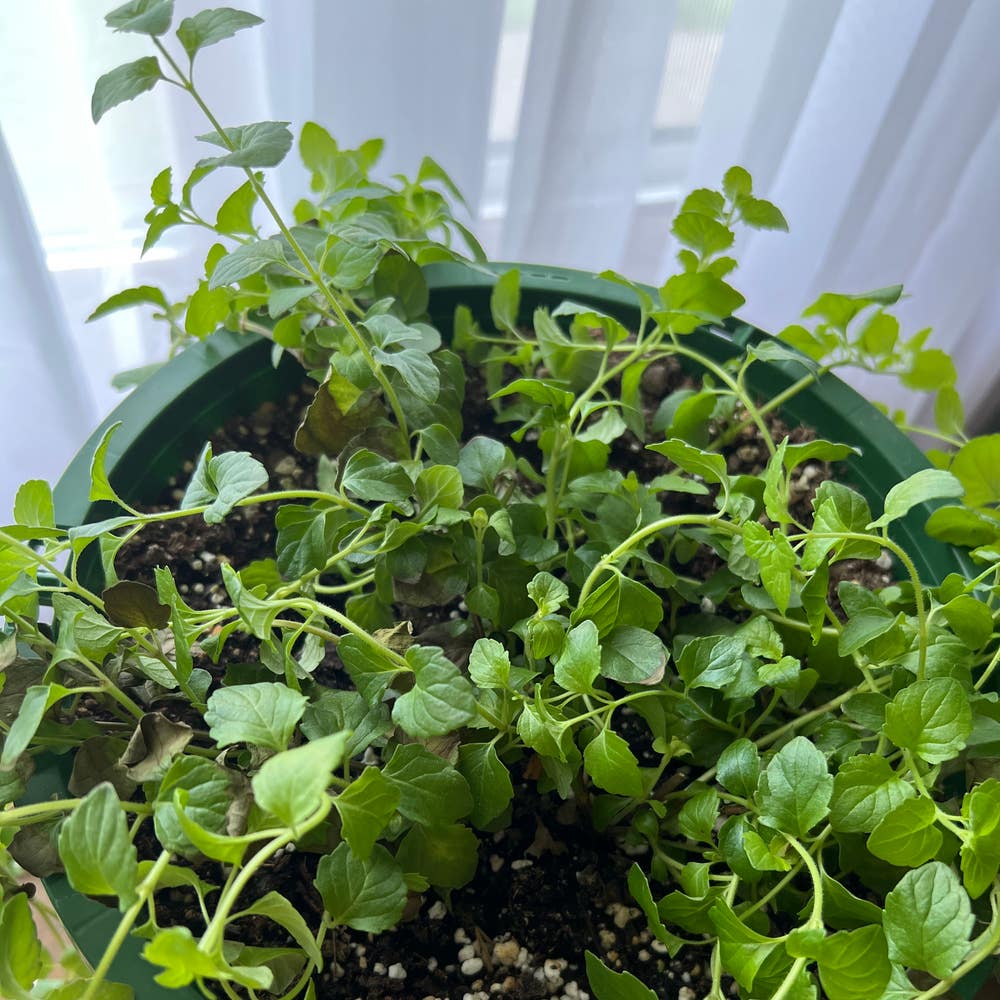
☀️ Light Requirements For Your Indian Borage
Coleus amboinicus
By the Greg Editorial Team
Nov 26, 2024•5 min read
This article was created with the help of AI so we can cover more plants for you. May contain errors. See one? Report it here.
Master the art of light exposure 🌞 to unlock vibrant growth and blooms for your Indian Borage! 🌱
- 🌞 Indian Borage needs 12-16 hours of bright, indirect sunlight daily for optimal growth.
- 💡 Grow lights can supplement natural light, especially in low-light indoor conditions.
- 🌿 Signs of insufficient light include leggy growth and pale leaves; adjust placement accordingly.
Importance of Light for Growth
🌞 Role of Light in Photosynthesis
Light is the lifeblood of plants, driving the process of photosynthesis. This fascinating conversion of light energy into chemical energy is crucial for Indian Borage, as it directly influences leaf development and overall plant vigor.
Without sufficient light, your Indian Borage may struggle to thrive. Healthy photosynthesis leads to lush, vibrant leaves that are essential for the plant's growth and resilience.
🌸 Effects of Light on Flowering
When it comes to flowering, light plays a pivotal role. Under optimal light conditions, Indian Borage can produce small, attractive flowers that add charm to your garden or indoor space.
Adequate light exposure not only boosts flowering frequency but also enhances the quality of blooms. So, if you want your Indian Borage to shine, ensure it gets the right amount of light to flourish.
With a solid understanding of how light impacts growth and flowering, you can now explore indoor light guidance to create the perfect environment for your Indian Borage.
Indoor Light Guidance
Recommended Light Levels for Indoor Growth 🌞
To thrive indoors, Indian Borage needs 12-16 hours of bright, indirect sunlight each day. For healthy growth, ensure it receives at least 6 hours of direct sunlight.
Use of Grow Lights for Indian Borage 💡
If natural light is lacking, grow lights can be a game changer. They provide essential supplemental lighting, especially in low-light environments.
Types of Grow Lights
When choosing grow lights, you can opt for LED or fluorescent options. LEDs are energy-efficient and long-lasting, while fluorescents are typically more affordable but may require more frequent replacement.
Recommended Wattage
For small indoor setups, aim for a wattage of 20-40 watts. This range will adequately support your Indian Borage's growth without overwhelming it.
Placement of Indian Borage Indoors for Optimal Light 🪴
Position your Indian Borage in the best possible location for sunlight. South or west-facing windows are ideal for maximizing light exposure.
Rotation for Even Light Exposure
To promote balanced growth, regularly rotate your plant. This simple practice ensures that all sides receive equal light, preventing uneven growth patterns.
By following these indoor light guidelines, your Indian Borage will flourish, setting the stage for vibrant growth and potential flowering. Next, let’s explore outdoor light guidance to further enhance your plant care strategy.
Outdoor Light Guidance
Ideal Outdoor Light Conditions 🌞
For your Indian Borage to thrive, it needs 6-8 hours of direct sunlight each day. While it prefers full sun, this resilient plant can also tolerate 4-6 hours of partial shade, making it adaptable to various outdoor settings.
Sun Exposure Requirements ☀️
Morning sun is particularly beneficial for Indian Borage. This gentle light helps prevent leaf scorch, allowing the plant to soak up energy without stress.
However, be cautious with afternoon sun exposure. The intensity can lead to overheating, so keep an eye out for any signs of stress, like wilting or browning leaves.
Managing Shade and Sunlight Balance 🌤️
Finding the right spot for your Indian Borage is crucial. Look for areas with dappled sunlight or light shade to provide a balanced environment.
As seasons change, you may need to adjust your plant's placement. During cooler months, consider moving it to sunnier spots to maximize light exposure and support its growth.
With the right outdoor light conditions, your Indian Borage will flourish, setting the stage for vibrant growth and potential flowering. Next, we'll explore how to adjust light exposure with changing seasons to keep your plant thriving year-round.
Seasonal Light Considerations
Adjusting Light Exposure with Changing Seasons 🌞
As the seasons shift, so do the light conditions for your Indian Borage. In summer, enjoy longer days that provide ample sunlight, while winter brings shorter days that can challenge your plant's growth.
To adapt, consider using grow lights during the winter months. This supplemental lighting can help maintain healthy growth and ensure your plant thrives despite the reduced natural light.
Impact of Seasonal Changes on Growth and Flowering 🌸
Seasonal changes significantly influence the growth patterns of Indian Borage. During longer daylight hours, you’ll notice a boost in growth, as the plant takes full advantage of the sunlight.
Moreover, light exposure plays a crucial role in flowering. Extended periods of light can trigger blooming, leading to those delightful small flowers that make Indian Borage so appealing.
By understanding these seasonal dynamics, you can better care for your plant and enjoy its vibrant growth year-round. Now, let’s explore common light-related issues that can arise with your Indian Borage.
Common Light-Related Issues
Signs of Insufficient Light 🌑
Insufficient light can lead to several telltale signs in your Indian Borage. Look out for leggy growth, where the stems stretch towards the light, pale leaves that lack vibrancy, and reduced leaf size, indicating your plant is struggling.
Regularly inspecting your plant's health is crucial. By keeping an eye on these symptoms, you can catch light deficiencies early and take action.
Solutions for Light Deficiency 💡
To combat light deficiency, consider increasing your plant's light exposure. This can be as simple as moving it to a brighter location or supplementing with grow lights.
Additionally, adjusting your watering routine can help. Ensuring proper care will support your Indian Borage's recovery from light stress.
Overexposure to Light and Its Effects ☀️
On the flip side, too much light can also harm your plant. Symptoms of overexposure include leaf scorch, where the leaves turn crispy, browning edges, and wilting, signaling distress.
To mitigate these effects, provide shade during peak sunlight hours. Alternatively, relocating your plant to a less intense light area can help restore its health.
Understanding these common light-related issues will empower you to keep your Indian Borage thriving. Next, let’s explore how seasonal changes affect light exposure and plant growth.
⚠️ Safety First
This content is for general information and may contain errors, omissions, or outdated details. It is not medical, veterinary advice, or an endorsement of therapeutic claims.
Always consult a qualified healthcare professional before using any plant as food, medicine, or supplement.
Never eat any plant (or feed one to pets) without confirming its identity with at least two trusted sources.
If you suspect poisoning, call Poison Control (800) 222-1222, the Pet Poison Helpline (800) 213-6680, or your local emergency service immediately.
Spotted an error? Please report it here.
Unlock your Indian Borage's full potential with optimal light exposure 🌞 by using Greg's tailored reminders and tips to keep your plant thriving all year round!