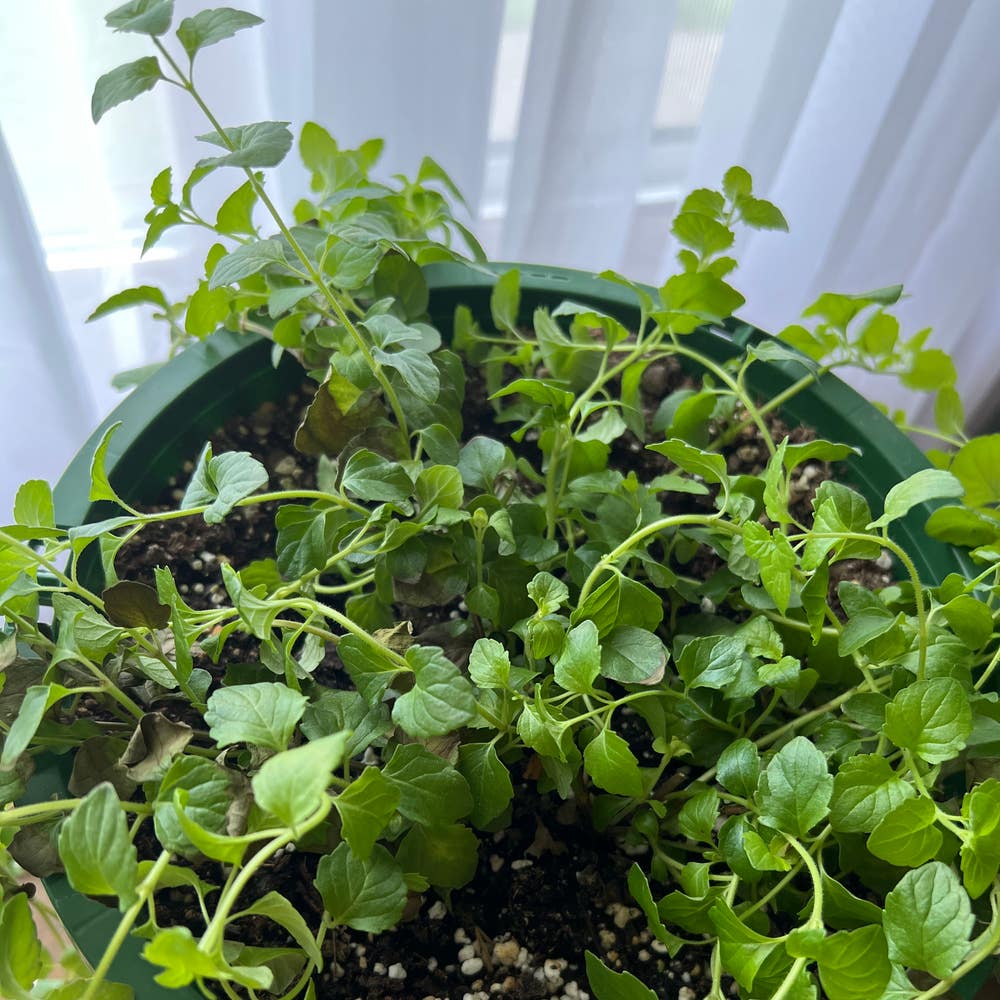
Step-by-Step Guide to Companion Planting with Cuban Oregano
Coleus amboinicus
By the Greg Editorial Team
Nov 24, 2024•5 min read
This article was created with the help of AI so we can cover more plants for you. May contain errors. See one? Report it here.
Boost your garden's health 🌱 by mastering companion planting with Cuban Oregano for a bountiful harvest!
- 🌱 Cuban Oregano thrives with basil, tomatoes, and peppers, enhancing growth and flavor.
- 🐞 Basil and marigolds deter pests, making them perfect companions for Cuban Oregano.
- 🌞 Assess space and sunlight for optimal companion planting with Cuban Oregano.
Best Companion Plants for Cuban Oregano
🌿 Basil
Basil is an aromatic herb that thrives alongside Cuban Oregano, sharing similar growth habits. Both plants flourish in warm climates and well-drained soil, making them ideal companions in your garden.
Basil not only enhances the flavor of dishes that include Cuban Oregano but also helps deter common pests like aphids. This makes it a practical choice for any herb garden.
🍅 Tomatoes
Tomatoes are a popular garden vegetable known for their robust growth. They prefer warm temperatures and moderate watering, aligning perfectly with the needs of Cuban Oregano.
When planted together, Cuban Oregano can enhance the flavor of tomatoes while also helping to repel pests that typically affect them. This synergy makes for a fruitful partnership in the garden.
🌶️ Peppers
Peppers come in various heat levels and are another excellent companion for Cuban Oregano. Both thrive in warm, sunny locations, ensuring they receive the light they need to grow.
The culinary synergy between peppers and Cuban Oregano enhances flavor profiles in many dishes. Additionally, Cuban Oregano's pest deterrent properties help protect peppers from unwanted insects.
🌼 Marigolds
Marigolds are bright flowering plants celebrated for their pest-repelling qualities. They effectively manage pests like nematodes and aphids, making them a valuable addition to any garden with Cuban Oregano.
Beyond their pest management benefits, marigolds add visual appeal and attract beneficial insects. This combination of beauty and utility makes them a must-have companion plant.
🧅 Chives
Chives are a mild onion-flavored herb that grows in clumps, making them a compatible neighbor for Cuban Oregano. They prefer well-drained soil and moderate watering, similar to the needs of Cuban Oregano.
Chives not only deter pests like aphids but also complement dishes featuring Cuban Oregano. This makes them a practical and flavorful addition to your herb garden.
Incorporating these companion plants can enhance your gardening experience, promoting healthier plants and more bountiful harvests. Next, let’s explore which plants to avoid near Cuban Oregano to ensure a thriving garden.
Plants to Avoid Near Cuban Oregano
🌿 Sage
Sage is an aromatic herb that shares similar growth requirements with Cuban Oregano. However, planting them together can lead to competition for nutrients, as both plants may vie for the same resources.
Additionally, sage and Cuban Oregano are susceptible to similar diseases. This overlap can increase the risk of disease transmission, making it wise to keep these two herbs apart in your garden.
🌱 Fennel
Fennel is a tall herb known for its feathery leaves and strong flavor. Unfortunately, it possesses allelopathic properties that can inhibit the growth of nearby plants, including Cuban Oregano.
Moreover, fennel can attract pests that may harm Cuban Oregano. This makes it another plant to avoid when planning your garden layout.
🥒 Cucumbers
Cucumbers are climbing vegetables that require a lot of water. This high water demand conflicts with Cuban Oregano's preference for moderate watering, which can lead to stress for both plants.
Additionally, cucumbers can overshadow Cuban Oregano, competing for light and space. To ensure a thriving garden, it's best to steer clear of planting cucumbers near your Cuban Oregano.
By avoiding these plants, you can create a more harmonious garden environment for your Cuban Oregano to flourish. Next, let’s explore practical tips for companion planting to maximize your garden's potential.
Practical Tips for Companion Planting
How to Plan a Companion Planting Layout 🌱
Designing a companion planting garden can be both fun and rewarding. Follow these steps to create a thriving environment for your Cuban Oregano and its companions.
Assess Available Space and Sunlight: Start by evaluating your garden area. Identify spots that receive ample sunlight, as most companion plants thrive in bright conditions.
Choose Compatible Plants: Select plants that share similar growth habits and care needs. This ensures they can coexist without competing for resources.
Create a Planting Schedule: Plan your planting around seasonal variations. Timing is crucial for ensuring that all plants can flourish together.
Seasonal Considerations for Planting Companions 🌸
Timing your planting is essential for success. Cuban Oregano and its companions should be planted at the right moment to maximize growth.
Timing for Planting: Generally, plant Cuban Oregano in the spring after the last frost. Pair it with companions that thrive in the same season.
Adjusting Care: Be mindful of seasonal changes. As plants grow, their needs may shift, requiring adjustments in watering and nutrients.
Monitoring Plant Health and Interactions 👀
Regular observation is key to a successful companion planting experience. Keep an eye on your plants to ensure they are thriving.
Importance of Regular Observation: Check for signs of health or distress. Early detection of issues can prevent larger problems down the line.
Adjusting Companion Plants: If you notice negative interactions, don’t hesitate to rearrange your planting layout. Flexibility can lead to a more harmonious garden.
By following these practical tips, you can create a vibrant and productive garden that showcases the best of Cuban Oregano and its companions. Next, let’s explore the specific plants to avoid near Cuban Oregano to ensure a healthy growing environment.
⚠️ Safety First
This content is for general information and may contain errors, omissions, or outdated details. It is not medical, veterinary advice, or an endorsement of therapeutic claims.
Always consult a qualified healthcare professional before using any plant as food, medicine, or supplement.
Never eat any plant (or feed one to pets) without confirming its identity with at least two trusted sources.
If you suspect poisoning, call Poison Control (800) 222-1222, the Pet Poison Helpline (800) 213-6680, or your local emergency service immediately.
Spotted an error? Please report it here.
Boost your garden's flavor and health 🌱 by using Greg's tailored care tips to ensure your Cuban Oregano and its companions thrive together!