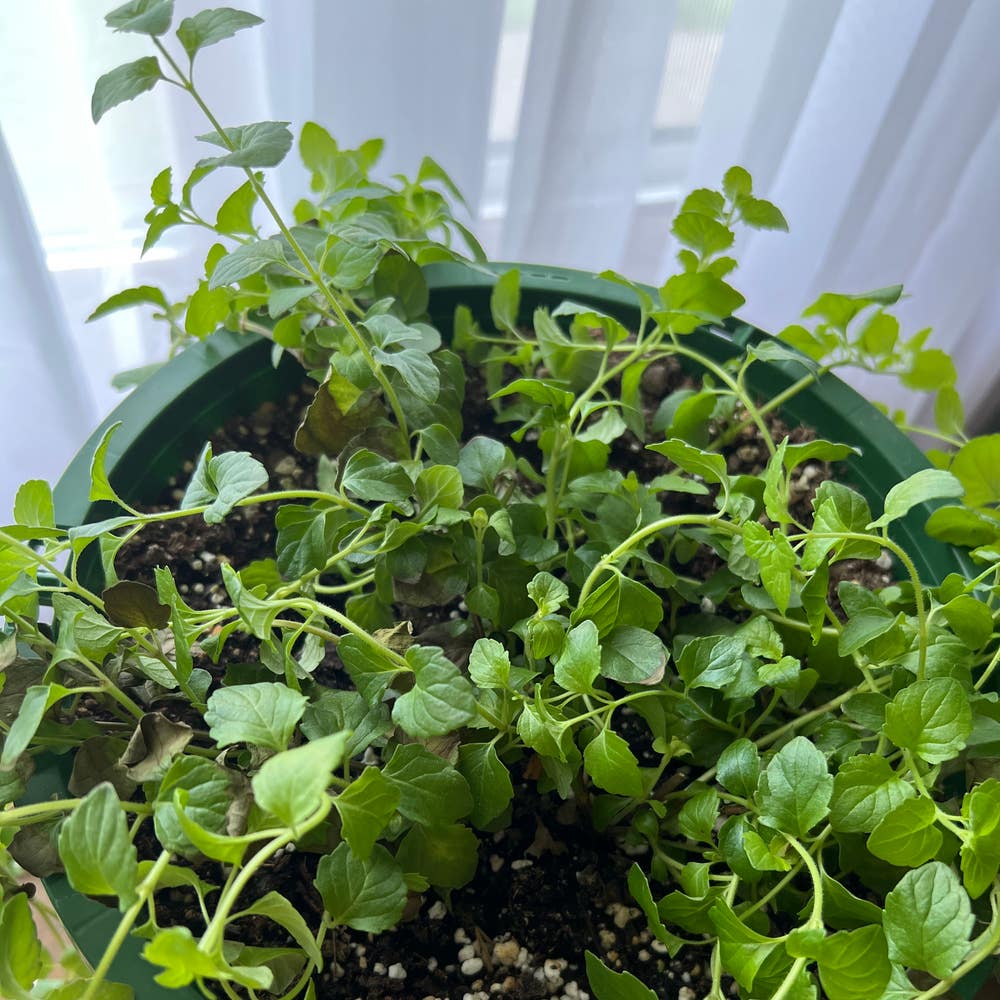
The Meaning of Cuban Oregano Flowers 🌼
Coleus amboinicus
By the Greg Editorial Team
Nov 24, 2024•5 min read
This article was created with the help of AI so we can cover more plants for you. May contain errors. See one? Report it here.
Uncover the charm of Cuban Oregano 🌿, a resilient herb that flourishes beautifully, even without flowers! 🌼
- 🌼 Cuban Oregano rarely flowers, focusing on its aromatic leaves for propagation.
- 🌞 Encourage blooming by providing 6-8 hours of sunlight and consistent moisture.
- 🌿 Flowers last 1-2 weeks, adding brief beauty and supporting garden biodiversity.
Flowering Status
Clarification on Flowering Status 🌼
Cuban Oregano is known for its vibrant foliage, but under standard cultivation conditions, it typically does not produce flowers. This non-flowering trait is largely due to its primary use in culinary applications, where the aromatic leaves take center stage.
The plant is often propagated through stem cuttings, which means flowering isn't essential for its reproduction. This method allows gardeners to easily cultivate new plants without relying on the flowering process, making Cuban Oregano a practical choice for both home cooks and gardeners alike.
In essence, while the flowers may be a delightful addition, they are not the main attraction of this versatile herb. As we delve deeper into the characteristics of Cuban Oregano, we’ll explore what happens if it does flower and how to encourage those blooms.
If Cuban Oregano Does Flower
🌸 Flower Characteristics
Description of Colors and Structure
Cuban Oregano produces small, tubular flowers that can be either purple or white. These flowers are arranged in spikes, creating a clustered appearance on the stem.
Self-Pollination vs. External Pollination
This plant is primarily self-pollinating, which means it can fertilize itself without needing another plant. However, it can also benefit from external pollination, enhancing its reproductive success.
🌼 Blooming Process
Stages of Blooming
The blooming process begins with bud formation, where the initial development of flower buds occurs. This is followed by the blooming stages, transitioning from closed buds to fully open flowers.
Typical Bloom Time
Cuban Oregano typically blooms in late summer to early fall, adding a splash of color to your garden during this season.
Duration from Bud Formation to Full Bloom
From the moment buds form, it takes approximately 4-6 weeks for the flowers to reach full bloom. This gradual process allows for anticipation and excitement as the flowers develop.
Lifespan of Flowers
Once bloomed, the flowers usually last for about 1-2 weeks before wilting. This brief lifespan highlights the fleeting beauty of these blossoms.
🌱 Encouraging Blooms
Tips for Encouraging Flowering
To encourage flowering, ensure your Cuban Oregano receives 6-8 hours of direct sunlight daily. Additionally, maintain consistent moisture without waterlogging, and use a balanced fertilizer during the growing season.
Factors Influencing Flowering
Several factors can influence flowering, including environmental conditions like temperature, humidity, and light exposure. Healthy plants are more likely to flower, so focus on nurturing your Cuban Oregano.
🌿 Post-Flowering
What Happens After Flowering
After flowering, the plant may enter a dormant phase. While flower spikes may dry out and fall off, the plant continues to grow, readying itself for the next cycle.
Does Cuban Oregano Die After Flowering?
No, Cuban Oregano does not die after flowering. It can thrive and produce new growth, ensuring that your garden remains vibrant and full of life.
As we explore the unique aspects of Cuban Oregano, we’ll uncover its ornamental and functional features, even when it doesn’t flower.
If Cuban Oregano Doesn't Flower
Primary Ornamental or Functional Features 🌿
Cuban Oregano is celebrated for its aromatic foliage, which is a staple in many culinary dishes and traditional medicine. Its vibrant green leaves not only enhance flavors but also add a lush, ornamental touch to gardens.
Reproduction Without Flowers 🌱
Interestingly, Cuban Oregano primarily reproduces vegetatively through stem cuttings. This method allows for rapid propagation, ensuring that even without flowering, the plant can thrive and spread effectively.
The Resilience of Cuban Oregano 💪
The ability to grow without relying on flowers showcases the resilience of Cuban Oregano. It can adapt to various growing conditions, making it a favorite among gardeners and chefs alike.
Conclusion 🌍
While Cuban Oregano may not always bloom, its culinary and ornamental value remains undeniable. This plant continues to thrive, offering both beauty and utility in gardens and kitchens around the world.
Unique Aspects
Unusual Characteristics Related to Flowering or Non-Flowering 🌼
Cuban Oregano is often celebrated for its aromatic foliage, which takes center stage in culinary and medicinal applications. As a result, its flowering is frequently overlooked, making it a secondary feature rather than a focal point.
Flowering can be sporadic and is often influenced by environmental stressors. Factors like temperature fluctuations and humidity levels can impact whether the plant decides to bloom, adding an element of unpredictability to its growth.
Interesting Facts or Trivia About Reproductive Strategies 🌱
One of the most fascinating aspects of Cuban Oregano is its ability to reproduce through stem cuttings. This vegetative reproduction method allows the plant to thrive in various growing conditions, making it a resilient choice for gardeners.
While the flowers may not be the main attraction, they play a vital role in the plant's overall biodiversity. They contribute to the ecosystem, supporting pollinators and enhancing the ecological balance in gardens and natural habitats.
In summary, whether flowering or not, Cuban Oregano remains a remarkable plant with unique characteristics that make it a valuable addition to any garden. Its resilience and adaptability ensure that it continues to flourish, regardless of its blooming status.
As we delve deeper into the characteristics of Cuban Oregano, let's explore its primary ornamental and functional features next.
⚠️ Safety First
This content is for general information and may contain errors, omissions, or outdated details. It is not medical, veterinary advice, or an endorsement of therapeutic claims.
Always consult a qualified healthcare professional before using any plant as food, medicine, or supplement.
Never eat any plant (or feed one to pets) without confirming its identity with at least two trusted sources.
If you suspect poisoning, call Poison Control (800) 222-1222, the Pet Poison Helpline (800) 213-6680, or your local emergency service immediately.
Spotted an error? Please report it here.
Cuban Oregano's beauty lies in its lush leaves and rare blooms, and with Greg's custom care tips 🌿, you can ensure your plant thrives and surprises you with its occasional flowers!