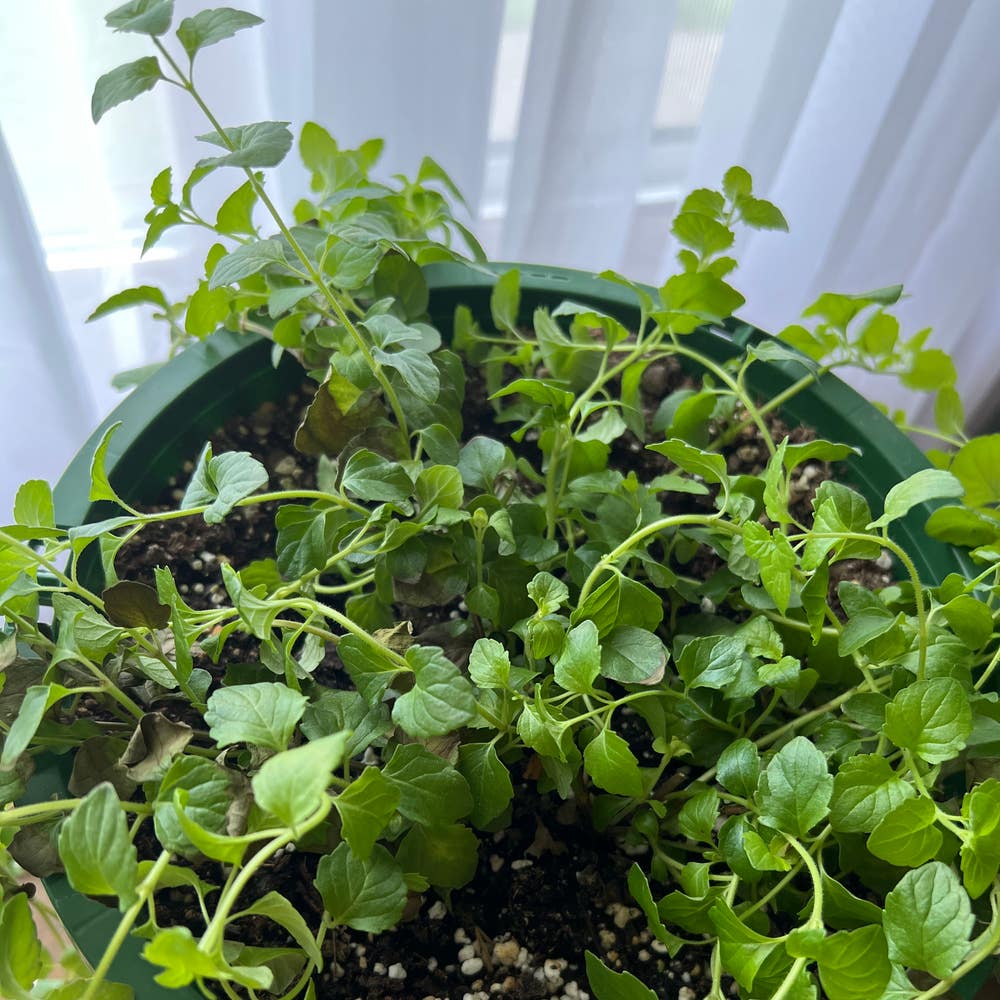
5 Tips for Growing Indian Borage
Coleus amboinicus
By the Greg Editorial Team
Nov 26, 2024•6 min read
This article was created with the help of AI so we can cover more plants for you. May contain errors. See one? Report it here.
Cultivate vibrant Indian Borage 🌱 with essential tips on location, soil, and care for thriving growth!
- ☀️ Indian Borage needs 6-8 hours of sunlight daily for optimal growth.
- 🌱 Maintain 20°C to 30°C temperature range for healthy plants.
- 🌿 Proper spacing of 12-18 inches prevents disease and promotes airflow.
Choosing the Right Location
Sunlight Requirements 🌞
To thrive, Indian Borage needs full sun, ideally basking in 6 to 8 hours of sunlight daily. While it can tolerate partial shade, it truly flourishes in bright conditions.
Temperature and Climate 🌡️
This herb loves warmth, with an optimal temperature range of 20°C to 30°C (68°F to 86°F). It thrives in USDA zones 9-11, but if you live in a cooler area, you can still grow it as an annual.
Space Considerations 📏
When planting outdoors, ensure to space your Indian Borage plants 12 to 18 inches apart to allow for adequate airflow. If you're growing it indoors, choose a container that's at least 12 inches in diameter to support healthy root development.
Choosing the right location is crucial for the success of your Indian Borage. Once you've nailed down the perfect spot, you'll be ready to move on to soil preparation, which sets the foundation for healthy growth.
Soil Preparation
Soil Type and Composition 🌱
To grow Indian Borage successfully, start with well-draining, fertile loam or sandy soil. Aim for a soil pH that is slightly acidic to neutral, ideally between 6.0 and 7.0, to create the best environment for growth.
Soil Amendments 🧑🌾
Enhance your soil's fertility by incorporating organic matter like compost or well-rotted manure. For heavy soils, add perlite or sand to improve drainage and prevent waterlogging, which can harm your plants.
Testing Soil Quality 🔬
Before planting, it's wise to test your soil quality. Use soil testing kits to determine pH and nutrient levels, allowing you to make informed amendments based on the results for optimal plant health.
With the right soil preparation, your Indian Borage will thrive, setting the stage for successful planting techniques. Next, let’s explore how to effectively plant your seeds or seedlings for the best results.
Planting Techniques
Starting from Seeds 🌱
Starting your Indian Borage journey with seeds can be rewarding. Begin by sowing seeds at a depth of 1/4 inch.
Germination typically takes 7-14 days at a cozy temperature of 70°F (21°C). During this time, keep the soil consistently moist to help your seedlings thrive.
Transplanting Seedlings 🌿
Once your seedlings have developed 2-3 true leaves, it's time to transplant them. Wait until after the last frost to ensure a successful transition.
Maintain a spacing of 12-18 inches between plants to allow for adequate airflow. This will help prevent diseases and promote healthy growth.
Hardening Off ☀️
Before moving your seedlings outdoors, they need to acclimate to their new environment. Gradually introduce them to outdoor conditions over 7-10 days.
This process, known as hardening off, helps your plants adjust to sunlight and wind, making them more resilient.
With these planting techniques, you're well on your way to cultivating a thriving Indian Borage garden. Next, let’s dive into the essential aspects of watering and fertilizing your plants for optimal growth.
Watering and Fertilizing
💧 Watering Requirements
Watering your Indian Borage is straightforward. The general guideline is to water when the top inch of soil feels dry.
Frequency is key; aim to water every 1-2 weeks. This will depend on your climate and the moisture level of your soil.
🌱 Fertilizing Effectively
Fertilization plays a crucial role in the health of your plants. Start with a balanced fertilizer at planting time to give your Indian Borage a strong foundation.
For ongoing care, apply fertilizer monthly during the growing season. This will help maintain robust growth and vibrant foliage.
⚠️ Signs of Nutrient Deficiency
Being aware of nutrient deficiencies can save your plants from stress. Yellowing leaves often indicate a nitrogen deficiency, signaling that your plant needs more nutrients.
Stunted growth can point to a phosphorus deficiency. Keep an eye on these signs to ensure your Indian Borage thrives.
As you nurture your plants with the right watering and fertilizing techniques, you'll set the stage for healthy growth. Next, let’s explore pruning and maintenance to keep your Indian Borage looking its best.
Pruning and Maintenance
Pruning Techniques 🌿
To keep your Indian Borage thriving, timing is crucial. Prune in early spring, just before new growth begins, to encourage a robust and bushy plant.
Pinching back the tips of the stems is an effective method. This simple technique promotes denser foliage and a fuller appearance, making your plant not just healthy but also visually appealing.
Ongoing Maintenance 🧹
Regular maintenance is key to a flourishing Indian Borage. Start by deadheading spent flowers; this practice encourages the plant to produce more blooms throughout the growing season.
Additionally, keep an eye on the leaves. Regularly check for pests and promptly remove any damaged foliage to maintain the plant's health and vitality.
With these pruning and maintenance tips, your Indian Borage will not only survive but thrive, setting the stage for a vibrant garden. Next, let’s explore common challenges you might face and how to tackle them effectively.
Common Challenges and Solutions
🐛 Identifying Pests and Diseases
Keeping your Indian Borage healthy means staying vigilant against pests and diseases. Here are some common culprits to watch for.
Common Pests
- Aphids: These small, green insects love to munch on tender leaves, leading to curling and distortion.
- Whiteflies: Tiny and white, these pests can sap the strength of your plants, leaving them weak and vulnerable.
Common Diseases
- Root Rot: This disease is a result of overwatering, which suffocates roots. Ensure proper drainage to keep your plants thriving.
- Powdery Mildew: A fungal issue that manifests as a white powder on leaves. Improve airflow around your plants to manage this problem effectively.
🛠️ Solutions for Growth Issues
Addressing pests and diseases promptly is crucial for the health of your Indian Borage.
- Pest Control: If you spot an infestation, consider using insecticidal soap or neem oil. These treatments are effective and less harsh on your plants.
- Disease Prevention: Maintain proper watering techniques and ensure adequate spacing between plants. This helps prevent moisture buildup and promotes healthy growth.
🌦️ Seasonal Care Adjustments
Your Indian Borage will need different care as the seasons change.
- Winter Care: For container plants, bring them indoors or provide frost protection to shield them from harsh conditions.
- Summer Care: During hot months, increase your watering frequency. This keeps the soil moist and supports robust growth.
By staying proactive about these challenges, you can enjoy a flourishing Indian Borage garden. Next, let’s explore effective watering and fertilizing techniques to further enhance your plant's health.
⚠️ Safety First
This content is for general information and may contain errors, omissions, or outdated details. It is not medical, veterinary advice, or an endorsement of therapeutic claims.
Always consult a qualified healthcare professional before using any plant as food, medicine, or supplement.
Never eat any plant (or feed one to pets) without confirming its identity with at least two trusted sources.
If you suspect poisoning, call Poison Control (800) 222-1222, the Pet Poison Helpline (800) 213-6680, or your local emergency service immediately.
Spotted an error? Please report it here.
Grow lush Indian Borage 🌱 effortlessly with Greg's custom watering alerts and expert tips to keep your plants thriving in their perfect environment!