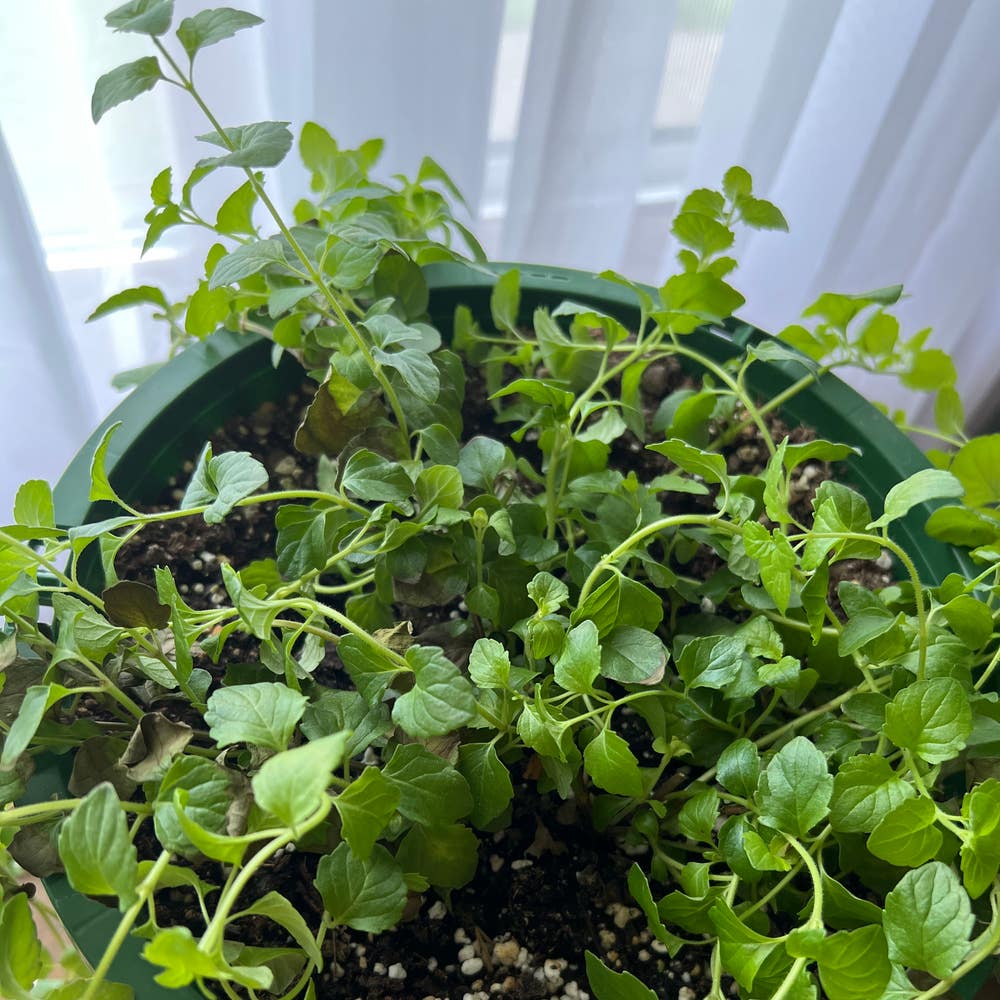
🍃 How to Fix Dropping Leaves on Your Indian Borage
Coleus amboinicus
By the Greg Editorial Team
Nov 24, 2024•6 min read
This article was created with the help of AI so we can cover more plants for you. May contain errors. See one? Report it here.
Transform your Indian Borage care 🌱 and prevent leaf drop with these essential tips for thriving plants!
- 💧 Overwatering and underwatering are primary causes of leaf drop in Indian Borage.
- 🐜 Pest infestations like aphids can damage your plant, leading to leaf loss.
- 🌡️ Temperature fluctuations outside 20°C to 30°C harm plant health and cause leaf drop.
Causes of Leaf Drop
💧 Overwatering and its Effects
Overwatering is a common culprit behind leaf drop in Indian Borage. Symptoms include yellowing leaves, mushy stems, and a foul smell emanating from the soil.
The impact of overwatering can be severe, leading to root rot and reduced oxygen availability. This ultimately results in leaf drop as the plant struggles to survive.
🚰 Underwatering and its Effects
On the flip side, underwatering can also cause significant stress to your plant. Look for signs like wilting leaves and dry, crispy edges, which indicate that your Indian Borage is not getting enough moisture.
When underwatered, the plant responds by conserving resources, leading to leaf drop as it prioritizes survival over foliage.
🐛 Pest Infestations
Pest infestations can wreak havoc on your Indian Borage, with common pests including aphids, spider mites, and whiteflies. Symptoms of these infestations often manifest as discoloration, stippling on leaves, and the presence of visible insects.
Regular inspections are crucial, as early detection can help mitigate damage and prevent leaf drop.
🌡️ Temperature Fluctuations
Temperature fluctuations can significantly affect your plant's health. Indian Borage thrives in an ideal temperature range of 20°C to 30°C (68°F to 86°F).
Sudden changes or prolonged exposure to extreme temperatures can stress the plant, resulting in leaf drop as it struggles to adapt.
🌱 Soil Drainage Issues
Soil drainage is vital for the health of your Indian Borage. Well-draining soil prevents waterlogging and promotes healthy root growth, which is essential for overall plant vitality.
Signs of poor drainage include water pooling on the surface, slow drying of soil, and symptoms of root rot. Addressing these issues promptly can help prevent leaf drop and keep your plant thriving.
Understanding these causes of leaf drop is the first step in addressing the issue effectively. Next, we will explore how to diagnose these problems accurately to restore your Indian Borage to its full glory.
Diagnosing Leaf Drop Issues
🌊 Identifying Symptoms of Overwatering
Overwatering is a common issue that can lead to significant leaf drop. Look for yellowing leaves and a mushy texture; these are clear indicators that your plant is receiving too much water.
To confirm, assess the soil moisture by sticking your finger into the soil. If it feels soggy, it's likely that overwatering is the culprit.
💧 Recognizing Signs of Underwatering
On the flip side, underwatering can also cause leaves to drop. Watch for wilting leaves and dry, crispy edges as these symptoms signal that your plant is thirsty.
For a more accurate diagnosis, check the soil. If it feels dry several inches down, underwatering may be the reason behind your plant's distress.
🐛 Checking for Pests and their Damage
Pest infestations can wreak havoc on your Indian Borage, leading to leaf drop. Inspect the leaves for visible pests and signs of damage, such as discoloration or stippling.
Using a magnifying glass can help you identify smaller pests like spider mites that might be hiding in plain sight.
🌡️ Assessing Environmental Conditions
Environmental factors play a crucial role in plant health. Monitor temperature and humidity levels; Indian Borage thrives in humidity around 40-60%.
Additionally, check for drafts or sudden temperature changes that could stress your plant. Keeping a stable environment is key to preventing leaf drop.
🌱 Evaluating Soil Quality and Drainage
Soil quality and drainage are vital for healthy root growth. Inspect the soil composition to ensure it is well-draining, ideally a mix of potting soil and perlite.
Conduct a drainage test by watering the plant and observing how quickly excess water drains away. Slow drainage can lead to root rot and subsequent leaf drop.
By carefully diagnosing these issues, you can take the necessary steps to restore your Indian Borage to its vibrant self. Next, let’s explore effective solutions for addressing these leaf drop problems.
Solutions for Leaf Drop
🌊 Adjusting Watering Practices
Establishing a consistent watering schedule is crucial for your Indian Borage. Check the soil moisture regularly and water when the top inch feels dry.
Use the finger test to gauge moisture levels effectively. This simple method helps prevent overwatering, which can lead to root rot.
Ensure your pots have drainage holes to allow excess water to escape. This prevents water accumulation, keeping your plant healthy and thriving.
🕳️ Improving Soil Drainage
Repotting can significantly enhance drainage. Use a well-draining soil mix, such as potting soil combined with perlite.
Consider adding sand or gravel to your soil mix. These materials improve drainage, ensuring your plant's roots receive adequate oxygen.
🐛 Treating Pest Infestations
Identifying pests early is key to maintaining plant health. Use insecticidal soap or neem oil to tackle common pests like aphids and spider mites.
When applying treatments, spray affected areas thoroughly. Pay special attention to the undersides of leaves, where pests often hide.
🌡️ Modifying Environmental Conditions
Temperature control is essential for your Indian Borage's well-being. Keep the plant in a stable environment, away from drafts and sudden temperature changes.
Humidity management also plays a vital role. If humidity is low, consider using a humidity tray or misting the plant to create a more favorable environment.
🌱 Fertilizing Correctly to Avoid Burn
A proper fertilization schedule can boost your plant's health. Use a balanced fertilizer every 4-6 weeks during the growing season for optimal growth.
Always dilute your fertilizer to half-strength before application. This prevents fertilizer burn, ensuring your plant receives the nutrients it needs without harm.
By implementing these solutions, you can effectively address leaf drop issues and promote a healthier Indian Borage. Next, let's explore some preventative measures to keep your plant thriving year-round.
Preventative Measures
Best Practices for Watering 🌊
Watering your Indian Borage correctly is crucial for its health. Always water only when the top inch of soil feels dry to the touch to prevent overwatering.
Using room temperature water is also essential. Cold water can shock the plant, disrupting its growth.
Ideal Soil Mix 🌱
The right soil mix can make a significant difference. A recommended blend is 2 parts potting soil, 1 part perlite, and 1 part sand.
This combination promotes soil aeration, which is vital for healthy root development. Well-aerated soil helps prevent root rot and encourages robust growth.
Regular Pest Inspections 🐛
Pest management is key to keeping your plant thriving. Schedule weekly checks for pests, especially during the growing season when infestations are more likely.
Using sticky traps can help monitor pest populations effectively. This proactive approach allows you to catch issues before they escalate.
Maintaining Optimal Humidity and Temperature 🌡️
Creating the right environment is essential for your Indian Borage. Aim for humidity levels between 40-60% for optimal growth.
Additionally, maintain temperatures between 20°C to 30°C (68°F to 86°F). These conditions help your plant flourish and reduce stress.
Seasonal Care Tips 🍂
Adjusting your care routine with the seasons is important. In winter, reduce watering frequency as the plant's growth slows down.
Also, protect your Indian Borage from frost during colder months. Bring it indoors or cover it to ensure it stays healthy and vibrant.
By following these preventative measures, you can help your Indian Borage thrive and minimize the risk of leaf drop. Next, let’s explore how to diagnose leaf drop issues effectively.
⚠️ Safety First
This content is for general information and may contain errors, omissions, or outdated details. It is not medical, veterinary advice, or an endorsement of therapeutic claims.
Always consult a qualified healthcare professional before using any plant as food, medicine, or supplement.
Never eat any plant (or feed one to pets) without confirming its identity with at least two trusted sources.
If you suspect poisoning, call Poison Control (800) 222-1222, the Pet Poison Helpline (800) 213-6680, or your local emergency service immediately.
Spotted an error? Please report it here.
Keep your Indian Borage thriving 🌿 by using Greg's tailored watering reminders and pest management tips to prevent leaf drop and ensure a happy, healthy plant!