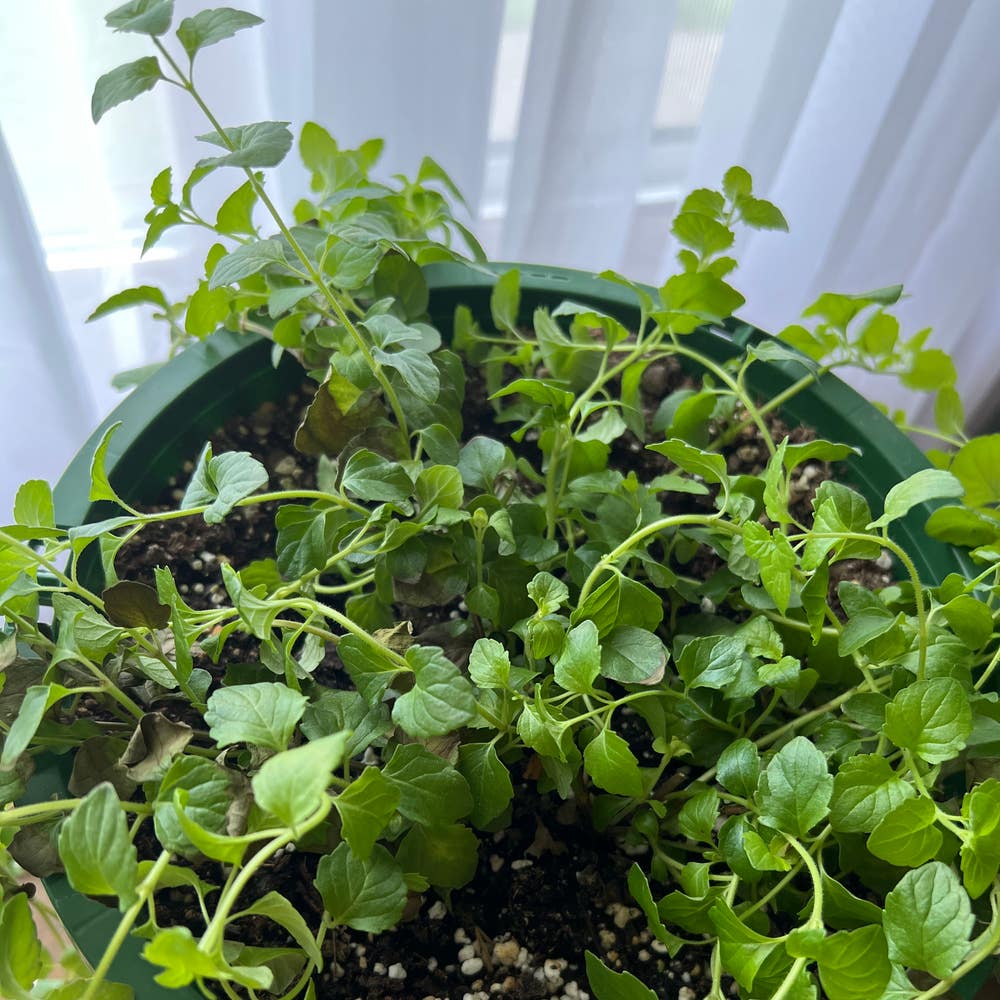
Top 8 Pot Features Your Indian Borage Will Love 🪴
Coleus amboinicus
By the Greg Editorial Team
Nov 26, 2024•7 min read
This article was created with the help of AI so we can cover more plants for you. May contain errors. See one? Report it here.
Maximize your Indian Borage's growth 🌱 by mastering the perfect pot size for every stage of its life!
- 🌱 Choose the right pot size for Indian Borage at each growth stage for optimal health.
- 🏺 Proper drainage is crucial; ensure pots have 3-5 holes for sizes 10 inches or larger.
- 🌿 Repot every 1-2 years or when roots outgrow the pot to promote healthy growth.
Importance of Pot Size for Different Growth Stages
🪴 Recommended Pot Sizes
Choosing the right pot size is crucial for the healthy growth of your Indian Borage.
Seedlings: Start with a pot size of 4-6 inches in diameter and a depth of 4-5 inches. This size accommodates the initial root growth effectively.
Mature Plants: As your plant grows, transition to a pot that is 10-12 inches in diameter and 10-12 inches deep. This size supports the extensive root systems that develop over time.
Flowering Stages: For optimal growth and flowering, use a pot size of 12-14 inches in diameter and a depth of 12-14 inches. This allows ample space for roots to thrive and produce beautiful blooms.
🌱 Growth Stage Considerations
Adjusting the container size as your Indian Borage matures is essential to prevent root binding.
Watch for signs that indicate the need for a larger pot, such as roots emerging from drainage holes or stunted growth. These signals mean it’s time to upgrade your plant's living conditions to ensure it continues to flourish.
By paying attention to these growth stages and pot sizes, you can create a nurturing environment that promotes vibrant health and growth for your Indian Borage.
Pot Materials
🌱 Clay Pots
Clay pots are a popular choice for many plant enthusiasts. Their breathable material promotes excellent air circulation to the roots, which is crucial for healthy growth.
However, they come with some downsides. Clay pots are heavier, making them challenging to move, and they can crack under extreme temperatures, which may lead to unexpected issues.
🪴 Plastic Pots
Plastic pots offer a lightweight alternative that is easy to handle. They are available in a variety of sizes and colors, making them a versatile option for any plant lover.
On the flip side, plastic pots are less breathable than clay. This can lead to moisture retention, which may not be ideal for all plants, and they can degrade over time when exposed to sunlight.
🏺 Other Materials to Consider
Ceramic pots are another option worth exploring. They provide aesthetic appeal but can be heavy and often come with a higher price tag.
Biodegradable pots are eco-friendly and a great choice for those looking to minimize their environmental impact. However, they may not offer the long-term support needed for larger plants, so consider your plant's growth potential before choosing this option.
In summary, selecting the right pot material is essential for the health of your Indian Borage. Each material has its pros and cons, so weigh your options carefully to ensure your plant thrives. Next, let’s dive into the importance of drainage considerations for your pots.
Drainage Considerations
Importance of Drainage Holes for Health 🌱
Proper drainage is crucial for the health of your Indian Borage. Without adequate drainage holes, excess water can accumulate, leading to root rot—a common issue that can devastate your plant.
For pots that are 10 inches or larger, aim for at least 3-5 drainage holes. This ensures that water can escape freely, keeping the roots healthy and thriving.
Ensuring Proper Drainage 🚰
To enhance drainage, consider using potting soil specifically designed for succulents. This type of soil promotes airflow and prevents water retention, which is vital for your plant's well-being.
Additionally, adding a layer of gravel or perlite at the bottom of the pot can significantly improve drainage. This simple step helps create a barrier that allows excess water to flow out easily.
Signs of Poor Drainage ⚠️
Watch for signs that your Indian Borage may be suffering from poor drainage. Symptoms include wilting leaves, yellowing foliage, and stunted growth—all indicators that something is off.
If you notice these issues, it could mean your plant is more susceptible to diseases and struggling to produce healthy leaves. Addressing drainage problems promptly can help restore your plant's vitality and ensure it continues to flourish.
With proper drainage in place, your Indian Borage will be well on its way to thriving. Next, let’s explore the importance of repotting and how to do it effectively.
Repotting
🕒 When to Repot
Repotting is essential for maintaining the health of your Indian Borage. Look for indicators such as roots visible through drainage holes or soil that dries out too quickly or remains soggy.
It's generally recommended to repot every 1-2 years or whenever the plant outgrows its current pot. Keeping an eye on these signs will help ensure your plant thrives.
🪴 Choosing the Right Pot When Repotting
Selecting the right pot is crucial for your plant's growth stage. Choose a pot that is 2-4 inches larger in diameter than the current one to give your Indian Borage room to grow.
Additionally, make sure the new pot has adequate drainage holes. This will help prevent waterlogging and promote healthy root development.
📋 Step-by-Step Guide to Repotting
Repotting your Indian Borage can be straightforward if you follow these steps:
- Prepare the new pot with fresh potting soil to provide a nutrient-rich environment.
- Gently remove the plant from its current pot, taking care not to damage the roots during the process.
- Inspect the roots for any signs of rot and trim them if necessary to encourage healthy growth.
- Place the plant in the center of the new pot and fill it with soil, ensuring the root ball is level with the top of the pot.
- Water thoroughly to settle the soil and eliminate any air pockets, ensuring your plant has the best start in its new home.
By following these steps, you can help your Indian Borage flourish in its new pot, setting the stage for vibrant growth and health. Now that you know how to repot, let’s explore how the choice of pot can impact your plant's growth.
Impact of Pot Choice on Growth
How Pot Choice Affects Root Development 🌱
The size of the pot directly influences how roots expand. A pot that’s too small can restrict root growth, leading to a cramped environment that stunts overall plant health.
Choosing the right pot is crucial for allowing roots to spread freely. Healthy root development is essential for nutrient uptake and water absorption, which are vital for your Indian Borage's vitality.
Influence of Pot Size on Moisture Retention and Nutrient Availability 💧
Larger pots have the advantage of retaining more moisture, which can be beneficial during dry spells. However, this also means you need to monitor watering closely to avoid overwatering, which can lead to root rot.
Nutrient availability is another factor affected by pot size. Bigger pots may require more frequent fertilization since they hold more soil, which can dilute nutrients over time.
Case Studies or Examples of Pot Choices Impacting Health 📚
Consider a gardener who switched to a larger pot for their Indian Borage. The result? A thriving plant with lush foliage and abundant growth. This simple change made a significant difference in the plant's health.
On the flip side, a friend opted for a small pot, thinking it would be easier to manage. Unfortunately, the plant struggled, showing signs of stunted growth and yellowing leaves. This illustrates how critical pot choice is for your plant's success.
In summary, selecting the right pot is not just about aesthetics; it’s a fundamental aspect of nurturing your Indian Borage. The right choice can lead to vibrant growth and a flourishing plant, while poor decisions can hinder its potential.
Next, let’s explore the essential considerations for repotting your Indian Borage to ensure it continues to thrive.
⚠️ Safety First
This content is for general information and may contain errors, omissions, or outdated details. It is not medical, veterinary advice, or an endorsement of therapeutic claims.
Always consult a qualified healthcare professional before using any plant as food, medicine, or supplement.
Never eat any plant (or feed one to pets) without confirming its identity with at least two trusted sources.
If you suspect poisoning, call Poison Control (800) 222-1222, the Pet Poison Helpline (800) 213-6680, or your local emergency service immediately.
Spotted an error? Please report it here.
Give your Indian Borage the perfect pot for thriving growth 🌿 with Greg's tailored reminders and expert tips to keep your plant happy and healthy!