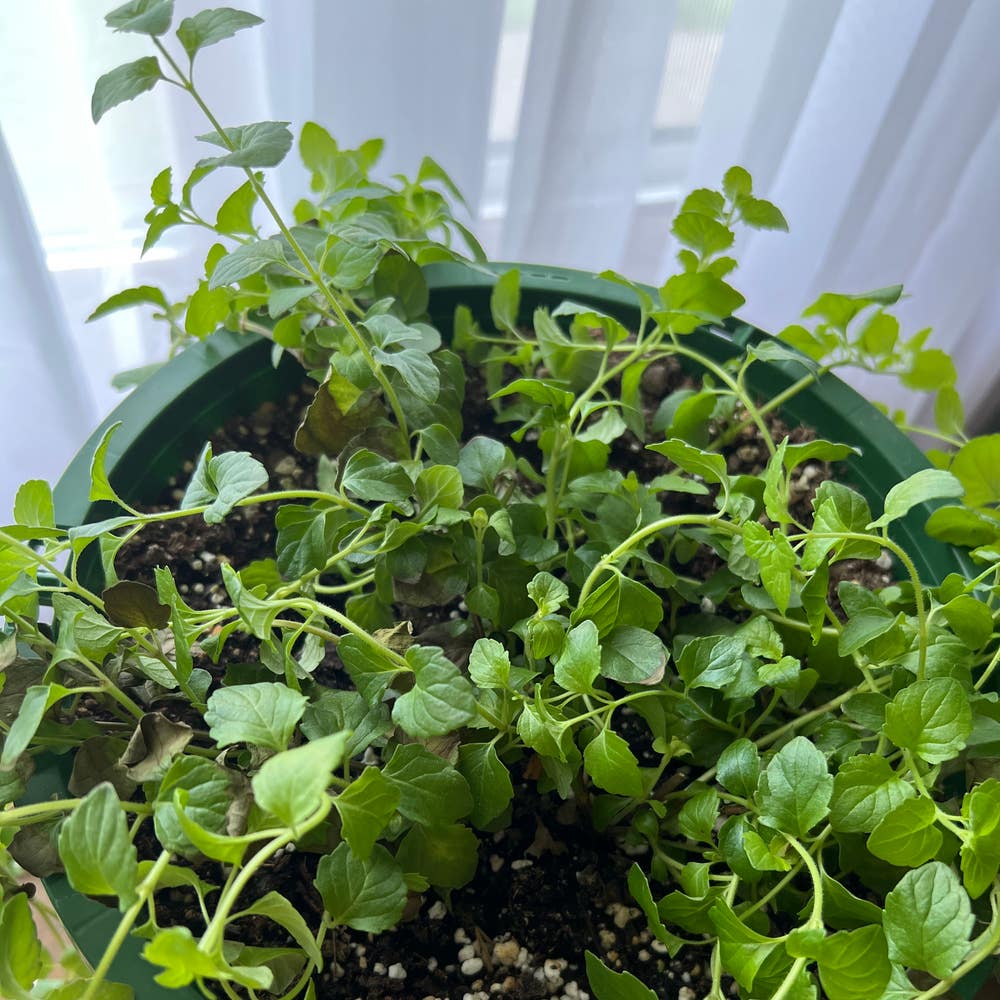
Fertilizing Indian Borage to Double Its Growth
Coleus amboinicus
By the Greg Editorial Team
Nov 26, 2024•5 min read
This article was created with the help of AI so we can cover more plants for you. May contain errors. See one? Report it here.
Boost your Indian Borage's growth 🌱 with essential tips on choosing and applying fertilizers effectively!
- 🌱 Organic vs. synthetic fertilizers: Choose wisely for Indian Borage's growth and health.
- 🌼 Start fertilizing in spring and continue monthly for optimal blooming and growth.
- ⚖️ Monitor nutrient levels to avoid deficiencies and over-fertilization for thriving plants.
Types of Fertilizers
🌱 Organic vs. Synthetic
When it comes to fertilizing Indian Borage, understanding the difference between organic and synthetic fertilizers is crucial. Organic fertilizers, such as compost, worm castings, and organic plant food, enrich the soil naturally, promoting healthy microbial activity and long-term soil health.
On the other hand, synthetic fertilizers offer quick-release options that can boost growth rapidly. However, they may lead to soil degradation and nutrient imbalances if used excessively.
🏷️ Recommended Brands and Products
For those looking to go organic, consider these top brands:
- Brand A: An all-purpose organic fertilizer with a balanced NPK ratio, perfect for general use.
- Brand B: A seaweed extract designed for foliar feeding, enhancing nutrient uptake through leaves.
If you prefer synthetic options for rapid growth, Brand C offers a balanced synthetic fertilizer with an effective NPK ratio, ideal for immediate results.
Understanding the types of fertilizers available will help you make informed choices for your Indian Borage. Next, let’s explore effective fertilizer application techniques to maximize growth.
Fertilizer Application Techniques
🌱 Soil Application
Applying fertilizers to the soil is a foundational technique for nurturing Indian Borage. Start by incorporating granular fertilizers directly into the soil, ensuring even distribution for optimal nutrient uptake.
For best results, aim for a depth of about 2 to 4 inches when applying the fertilizer. Space the application evenly around the plant, avoiding direct contact with the roots to prevent any potential damage.
🍃 Foliar Feeding
Foliar feeding is a fantastic method for delivering nutrients directly to the leaves, allowing for immediate absorption. This technique can be particularly beneficial during periods of rapid growth or stress.
When using liquid fertilizers for foliar feeding, it's crucial to follow recommended dilution rates. Typically, a mix of 1:10 (fertilizer to water) works well, but always check the product instructions for specifics.
Timing is key for foliar application. The best times to spray are early morning or late afternoon, as this helps minimize evaporation and maximizes nutrient uptake by the leaves.
By mastering these application techniques, you can significantly enhance the growth and vitality of your Indian Borage. Next, let’s explore the timing and frequency of fertilization to ensure your plants receive the right nutrients at the right moments.
Timing and Frequency of Fertilization
🌱 Seasonal Fertilization Schedule
Timing is everything when it comes to fertilizing Indian Borage. In spring, as the plant begins to wake up from its winter slumber, it's crucial to provide an initial dose of fertilizer to kickstart growth.
During summer, the plant is in its prime, so monthly feedings will help it thrive. This is the time to ensure your Borage is getting the nutrients it needs to reach its full potential.
As the seasons shift to fall, it's wise to reduce feeding. The plant's growth slows down, and over-fertilizing can lead to issues as it prepares for dormancy.
⚠️ Signs of Nutrient Deficiency
Keeping an eye on your plant's health is essential. If you notice yellowing leaves, it could signal a nitrogen deficiency, indicating that your Borage needs a nutrient boost.
Poor blooming can point to a phosphorus deficiency, while stunted growth often suggests a lack of potassium. Recognizing these signs early can help you adjust your fertilization strategy effectively.
Understanding the timing and frequency of fertilization, along with recognizing nutrient deficiencies, sets the stage for a flourishing Indian Borage. Next, let’s explore how to avoid the pitfalls of over-fertilization.
Avoiding Over-Fertilization
🌱 Symptoms of Over-Fertilization
Over-fertilization can be a sneaky problem for your Indian Borage. One of the first signs is leaf burn, where the tips and edges of leaves turn brown, indicating nutrient overload.
Another red flag is wilting, even when the soil is adequately watered. This can signal root burn, a serious condition that can hinder your plant's growth. You might also notice excessive leaf growth with minimal blooming, which suggests that your plant is focusing too much on foliage rather than flowers.
⚠️ Corrective Measures
If you suspect over-fertilization, it's time to take action. Start by flushing the soil to leach out excess nutrients. This involves watering the plant thoroughly, allowing water to drain from the bottom, which helps wash away the buildup.
Next, consider adjusting your fertilizer schedule. Reducing the frequency and dosage of your applications can help restore balance. Lastly, monitoring soil health is crucial. Regular soil testing can provide insights into nutrient levels, ensuring your Indian Borage gets just what it needs without the risk of overdoing it.
By staying vigilant and proactive, you can keep your plant thriving and avoid the pitfalls of over-fertilization. This will set the stage for healthier growth and more vibrant blooms, leading us into the next topic: enhancing blooming through fertilization.
Enhancing Blooming through Fertilization
Specific Nutrients for Flowering 🌸
To achieve vibrant blooms, focusing on phosphorus and potassium is essential. These nutrients play a crucial role in flower development, ensuring your Indian Borage thrives during its blooming phase.
The recommended NPK ratio for flowering plants is often 5-10-10. This ratio emphasizes higher levels of phosphorus and potassium, promoting robust flower production while supporting overall plant health.
Fertilizer Ratios for Optimal Blooming 🌼
Tailoring your fertilizer application based on the growth stage of your Indian Borage can significantly enhance blooming. During the early growth phase, a balanced fertilizer can support overall development.
As your plant transitions into the blooming phase, adjusting the fertilizer ratios becomes vital. Increasing the phosphorus and potassium levels will maximize flower production, ensuring your Indian Borage showcases its full potential.
By understanding the specific nutrient needs and adjusting your fertilization strategy accordingly, you can create a flourishing environment for your plants. This proactive approach not only enhances blooming but also contributes to the overall vitality of your Indian Borage.
With these insights, you're well-equipped to nurture your plants effectively. Next, let’s explore the timing and frequency of fertilization to further optimize growth.
⚠️ Safety First
This content is for general information and may contain errors, omissions, or outdated details. It is not medical, veterinary advice, or an endorsement of therapeutic claims.
Always consult a qualified healthcare professional before using any plant as food, medicine, or supplement.
Never eat any plant (or feed one to pets) without confirming its identity with at least two trusted sources.
If you suspect poisoning, call Poison Control (800) 222-1222, the Pet Poison Helpline (800) 213-6680, or your local emergency service immediately.
Spotted an error? Please report it here.
Unlock your Indian Borage's full growth potential 🌿 by using Greg's tailored fertilization reminders and nutrient tracking to keep your plant thriving all season long!