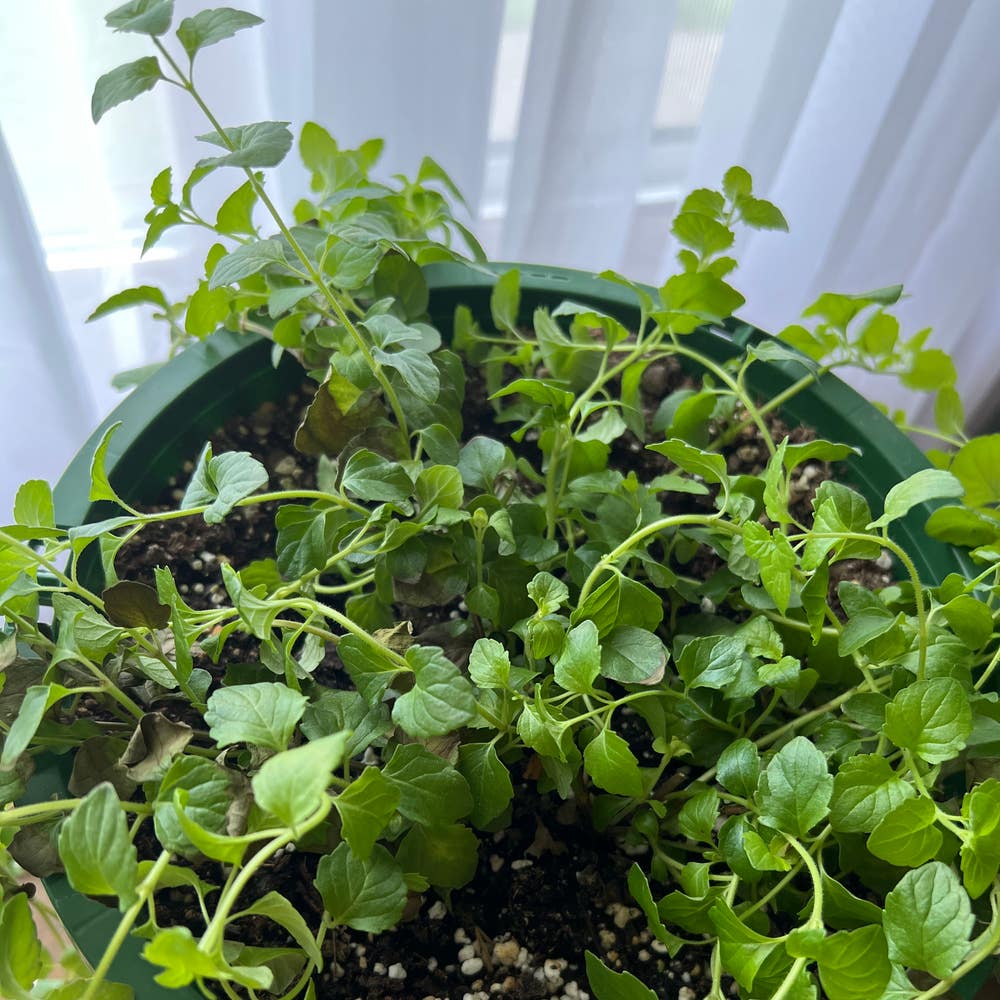
Good Temperature Range for Your Cuban Oregano 🌡️
Coleus amboinicus
By the Greg Editorial Team
Nov 24, 2024•5 min read
This article was created with the help of AI so we can cover more plants for you. May contain errors. See one? Report it here.
Unlock vibrant Cuban Oregano growth 🌱 by mastering its temperature needs for optimal flavor and health!
- 🌡️ Cuban Oregano thrives between 60°F to 80°F; avoid temperatures below 50°F or above 90°F.
- 🌱 Signs of temperature stress include wilting, leaf drop, and discoloration; act quickly!
- ☀️🌳 Position for morning sun and afternoon shade to protect from temperature extremes.
Optimal Temperature Range
Preferred Temperature Range 🌡️
Cuban Oregano thrives best in a cozy temperature range of 60°F to 80°F (15°C to 27°C). Within this sweet spot, the plant exhibits optimal growth, resulting in lush foliage and a robust flavor that enhances your culinary creations.
Temperature Tolerance ❄️
While Cuban Oregano enjoys warmth, it has its limits. It is particularly vulnerable to frost; temperatures dipping below 50°F (10°C) can cause significant damage, while prolonged exposure to heat above 90°F (32°C) can stress the plant, impacting its health and flavor.
Understanding these temperature preferences and tolerances is crucial for nurturing your Cuban Oregano. With the right conditions, you can ensure a thriving plant that adds zest to your dishes.
Next, let’s explore the effects of temperature extremes on your Cuban Oregano and how to recognize when your plant is under stress.
Effects of Temperature Extremes
🌡️ High Temperatures
Cuban Oregano thrives best within a comfortable temperature range, but prolonged exposure to temperatures above 90°F (32°C) can spell trouble. When the heat is on, you might notice wilting leaves as the plant struggles with excessive transpiration.
In an effort to conserve resources, the plant may also drop leaves. This is its way of coping with stress, but it’s a sign that your oregano needs some relief from the heat.
❄️ Low Temperatures
On the flip side, temperatures dipping below 50°F (10°C) can be equally harmful. Frost damage can occur, resulting in blackened or mushy leaves that signal distress.
If the cold persists, you might witness stunted growth or even plant death. Protecting your Cuban Oregano from these temperature extremes is crucial for its health and vitality.
Understanding these effects can help you take proactive measures to ensure your plant thrives, regardless of the weather.
Signs of Temperature Stress
🌡️ Heat Stress Indicators
Cuban Oregano can show signs of heat stress when temperatures soar. Look for leaves curling or rolling inward; this is the plant's way of reducing the surface area exposed to the harsh sun.
Discoloration is another telltale sign. If you notice the edges of the leaves turning yellow or brown, it's a clear indication that your plant is struggling. Additionally, wilting or drooping leaves often signal dehydration, urging you to take action.
❄️ Cold Stress Indicators
On the flip side, cold stress presents its own set of symptoms. If the leaves start turning black or mushy, particularly at the tips and edges, your Cuban Oregano is likely suffering from frost damage.
Another common sign is leaf drop, especially in the lower leaves. This occurs as the plant prioritizes survival, shedding less vital foliage to conserve energy. Recognizing these indicators early can help you take the necessary steps to revive your plant.
Understanding these signs is crucial for maintaining the health of your Cuban Oregano. Next, let’s explore effective recovery strategies to help your plant bounce back from temperature stress.
Recovery Strategies for Temperature Stress
Immediate Actions 🌡️
When your Cuban Oregano shows signs of temperature stress, quick action is essential.
Relocate the plant to a more suitable environment:
- For heat stress, move it to a shaded area or indoors during peak heat.
- For cold stress, bring it indoors or cover it with frost cloth during chilly nights.
Adjust watering practices:
- Increase watering frequency for heat-stressed plants to combat dehydration.
- Reduce watering for cold-stressed plants to prevent root rot.
Long-term Strategies 📈
Implementing long-term strategies can help your Cuban Oregano thrive through temperature fluctuations.
Gradual acclimatization: Slowly introduce your plants to outdoor conditions to avoid shock. This helps them adapt to changing temperatures without suffering stress.
Monitor temperature fluctuations: Keep an eye on temperature changes and adjust your care routine accordingly. This proactive approach ensures your plant remains healthy and resilient.
By taking these immediate and long-term actions, you can effectively manage temperature stress in your Cuban Oregano. This not only enhances its growth but also enriches its flavor, making it a delightful addition to your garden.
Next, let's explore the environmental factors that can influence temperature and overall plant health.
Environmental Factors Affecting Temperature
🌍 Influence of Location on Temperature
Microclimates play a crucial role in the health of your Cuban Oregano. Surrounding structures and vegetation can create pockets of warmth or coolness that significantly impact local temperatures.
For optimal growth, position your Cuban Oregano where it can bask in morning sun while enjoying afternoon shade. This strategic placement helps mitigate temperature extremes, allowing the plant to thrive.
📅 Seasonal Temperature Variations
Understanding seasonal changes is vital for maintaining your Cuban Oregano's health. Temperature fluctuations throughout the year can influence growth cycles, making it essential to adapt your care routine accordingly.
As the seasons shift, adjust your watering and fertilization schedules to align with the changing temperatures. This proactive approach ensures your plant receives the right care at the right time, promoting robust growth and flavor.
By being mindful of these environmental factors, you can create the ideal conditions for your Cuban Oregano to flourish. Next, let’s explore the signs of temperature stress and how to recognize when your plant needs help.
⚠️ Safety First
This content is for general information and may contain errors, omissions, or outdated details. It is not medical, veterinary advice, or an endorsement of therapeutic claims.
Always consult a qualified healthcare professional before using any plant as food, medicine, or supplement.
Never eat any plant (or feed one to pets) without confirming its identity with at least two trusted sources.
If you suspect poisoning, call Poison Control (800) 222-1222, the Pet Poison Helpline (800) 213-6680, or your local emergency service immediately.
Spotted an error? Please report it here.
Keep your Cuban Oregano happy and flavorful 🌱 by using Greg's tailored reminders to monitor its ideal temperature range and prevent stress from extreme conditions!