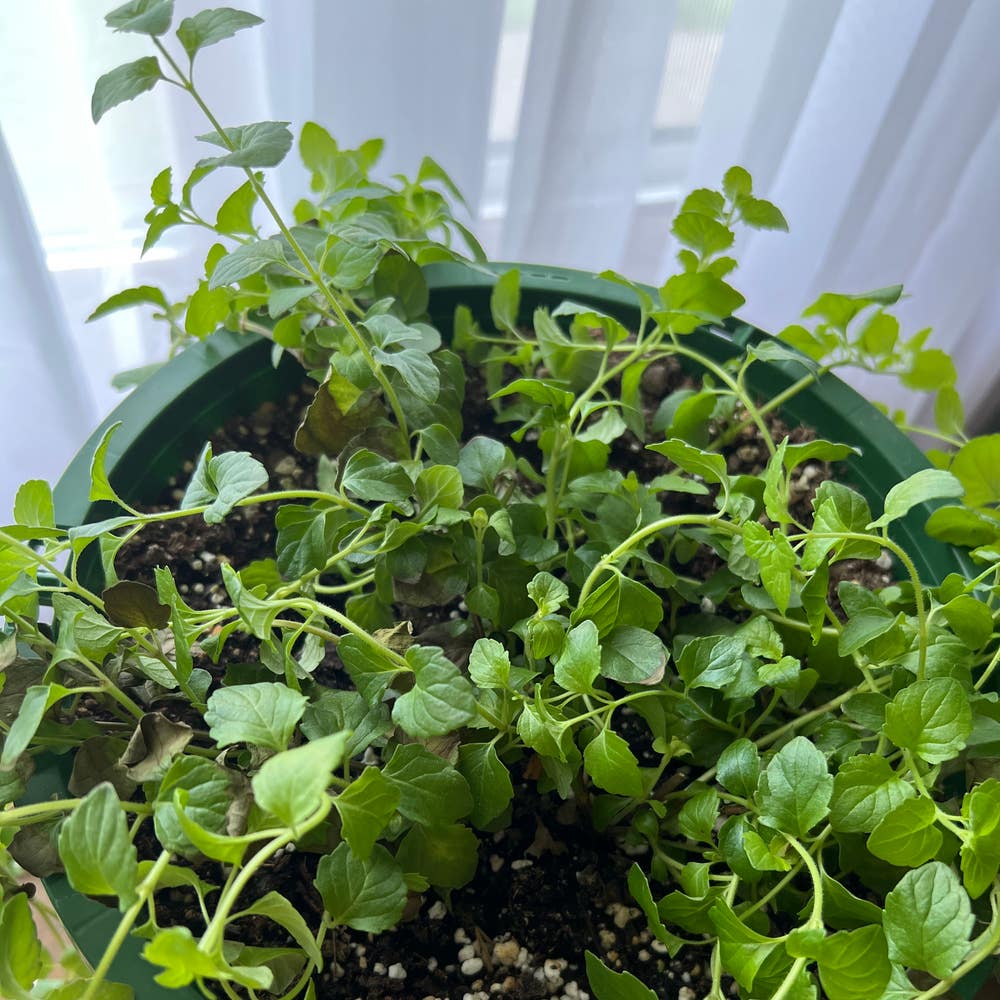
What to Do About Yellow Leaves on Your Cuban Oregano
Coleus amboinicus
By the Greg Editorial Team
Nov 24, 2024•4 min read
This article was created with the help of AI so we can cover more plants for you. May contain errors. See one? Report it here.
Transform your Cuban oregano's yellow leaves back to vibrant green 🌱 with these essential diagnosis and care tips! 🌿
- 🌱 Yellow leaves indicate overwatering, nutrient deficiency, pests, or environmental stress.
- 💧 Prevent yellowing by allowing soil to dry and adjusting watering practices.
- 🐛 Regular pest inspections and balanced fertilization support vibrant Cuban oregano growth.
Yellow Leaves Diagnosis
Understanding why your Cuban oregano has yellow leaves is crucial for restoring its health. Let's explore the common causes of this issue.
💧 Overwatering
Overwatering is a frequent culprit behind yellow leaves. Symptoms include wilting, mushy roots, and, of course, those dreaded yellowing leaves.
The impact on plant health can be severe, leading to root rot and various fungal diseases. It's essential to monitor your watering habits closely.
🥦 Nutrient Deficiency
Another common cause is nutrient deficiency. If you notice pale yellow leaves and stunted growth, your plant may be lacking essential nutrients.
Pay special attention to nitrogen, magnesium, and iron, as these are critical for vibrant foliage. A deficiency in any of these can lead to noticeable yellowing.
🐛 Pest-Related Yellowing
Pests can also wreak havoc on your Cuban oregano. Common offenders include aphids, spider mites, and whiteflies.
Signs of infestation often manifest as yellow spots on leaves, webbing, or a sticky residue. Regular inspections can help catch these pests early.
🌡️ Environmental Stress Factors
Environmental stress factors can significantly affect leaf color. Temperature extremes, whether heat or cold, can lead to yellowing leaves.
Additionally, low humidity levels can impact leaf health, causing stress to your plant. Keeping an eye on these conditions is vital for maintaining vibrant foliage.
By diagnosing the causes of yellow leaves, you can take the necessary steps to revive your Cuban oregano. Next, let's explore effective solutions to address these issues.
Solutions for Yellow Leaves
🌊 Adjusting Watering Practices
To combat yellow leaves on your Cuban oregano, start by adjusting your watering practices. Allow the soil to dry out between waterings to prevent overwatering, which can lead to root rot.
Healthy, vibrant leaves and firm soil are signs that you're watering correctly. If the leaves are still yellowing, it might be time to reassess your approach.
🌱 Fertilization Techniques
Next, consider your fertilization techniques. A balanced NPK fertilizer, such as a 10-10-10 mix, or organic options can provide the nutrients your plant needs.
Apply fertilizer every 4-6 weeks during the growing season to support robust growth. This routine can help restore the plant's health and vibrancy.
🐛 Pest Management Strategies
Pests can also contribute to yellowing leaves, so regular inspections are crucial. Check the undersides of leaves and stems for common pests like aphids and spider mites.
If you spot any unwanted guests, control methods such as neem oil, insecticidal soap, or introducing beneficial insects can help manage the infestation effectively.
🌧️ Improving Soil Drainage
Soil drainage is another critical factor in maintaining healthy Cuban oregano. Use a mix of potting soil and perlite or sand to enhance drainage.
Ensure your containers have drainage holes to prevent water from pooling at the bottom. This simple step can significantly reduce the risk of root rot and yellow leaves.
☀️ Light Adjustment and Placement
Finally, evaluate the light conditions for your plant. Cuban oregano thrives with 4-6 hours of moderate sunlight daily.
If the leaves are yellowing, consider moving your plant to a brighter location. Proper light exposure can make a world of difference in restoring its health.
By implementing these solutions, you can effectively address yellow leaves on your Cuban oregano and promote a thriving, vibrant plant. Next, let's explore some preventative measures to keep your oregano healthy year-round.
Preventative Measures
Best Practices for Care 🌱
To keep your Cuban oregano thriving, start with proper watering practices. Always check the soil moisture before watering; this simple step can prevent overwatering, which is a common cause of yellow leaves.
Regular feeding during the active growth phase is essential. Use a balanced fertilizer to ensure your plant gets the nutrients it needs to flourish.
Seasonal Care Tips 🌦️
As the seasons change, so should your care routine. In spring, increase your watering frequency as growth resumes, ensuring your plant has enough moisture to support new leaves.
During fall and winter, dial back on watering and fertilization. Your Cuban oregano will enter a dormancy phase, requiring less attention.
Regular Monitoring and Maintenance Routines 🔍
Consistency is key when it comes to plant care. Conduct weekly inspections to check for pests and assess leaf health; catching issues early can save your plant.
Soil testing is another vital practice. Regularly assess nutrient levels and pH balance to ensure your plant's environment remains optimal.
Soil Health and Amendments 🏵️
Healthy soil is the foundation of a thriving plant. Well-draining soil is crucial to prevent root rot and yellowing leaves, so choose your soil mix wisely.
Consider adding compost or organic matter to enhance soil quality. These amendments improve drainage and provide essential nutrients, promoting robust growth.
By implementing these preventative measures, you can keep your Cuban oregano healthy and vibrant. Next, let’s explore solutions for yellow leaves when they do appear.
⚠️ Safety First
This content is for general information and may contain errors, omissions, or outdated details. It is not medical, veterinary advice, or an endorsement of therapeutic claims.
Always consult a qualified healthcare professional before using any plant as food, medicine, or supplement.
Never eat any plant (or feed one to pets) without confirming its identity with at least two trusted sources.
If you suspect poisoning, call Poison Control (800) 222-1222, the Pet Poison Helpline (800) 213-6680, or your local emergency service immediately.
Spotted an error? Please report it here.
Revive your Cuban oregano's vibrant green leaves 🌿 by using Greg's tailored watering reminders and pest alerts to keep your plant thriving all year round!