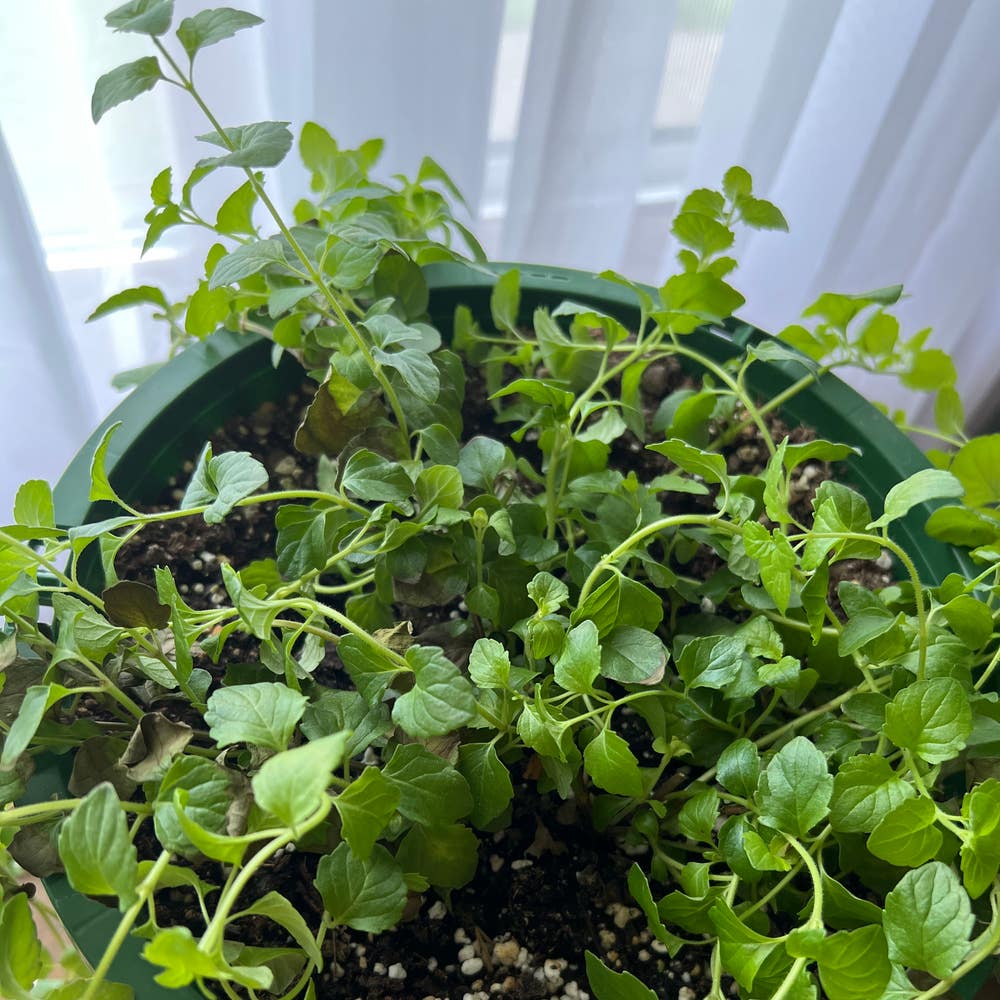
Cuban Oregano - Ultimate Guide to Fertilizing 👨🍳
Coleus amboinicus
By the Greg Editorial Team
Nov 24, 2024•6 min read
This article was created with the help of AI so we can cover more plants for you. May contain errors. See one? Report it here.
Boost your Cuban Oregano's growth 🌱 with expert fertilization tips for vibrant, healthy plants! 🪴
- 🌱 Cuban Oregano thrives with a balanced NPK ratio of 3-1-2 for optimal growth.
- ⚖️ Monthly fertilization during growing season ensures healthy plants and vibrant leaves.
- 🧪 Soil testing is key to selecting the right fertilizer for your Cuban Oregano.
Benefits of Proper Fertilization
🌱 Nutrient Requirements for Healthy Growth
Cuban Oregano thrives on a balanced diet of key nutrients. The primary players are Nitrogen (N), Phosphorus (P), and Potassium (K), which are essential for robust growth.
For optimal health, aim for an NPK ratio of 3-1-2. This ratio supports vigorous foliage development while ensuring the plant has enough energy for blooming.
Micronutrients also play a crucial role in the plant's overall vitality. Magnesium, Calcium, and Iron are vital for maintaining healthy leaves and promoting strong growth.
⚠️ Signs of Nutrient Deficiency
Recognizing nutrient deficiencies early can save your Cuban Oregano from serious setbacks. One common sign is yellowing leaves, which often indicates a nitrogen deficiency.
If you notice poor growth and wilting, it may signal insufficient nutrients overall. Additionally, a lack of blooming could point to a phosphorus deficiency, suggesting it's time to reassess your fertilization strategy.
Understanding these signs helps you take proactive measures, ensuring your Cuban Oregano remains healthy and vibrant. With proper attention to nutrient needs, your plant will flourish, setting the stage for the next section on types of fertilizers.
Types of Fertilizers
🌱 Organic vs. Synthetic Fertilizers
When it comes to fertilizing Cuban oregano, understanding the difference between organic and synthetic fertilizers is crucial.
Organic fertilizers are slow-release options that not only provide nutrients but also improve soil health and enhance microbial activity.
On the other hand, synthetic fertilizers offer quick-release nutrients, ensuring immediate availability for your plants. However, they can lead to over-fertilization if not used carefully.
🥇 Recommended Fertilizers
Choosing the right fertilizer can make all the difference in your oregano's growth.
For organic options, consider using compost, well-rotted manure, or fish emulsion. These choices enrich the soil and promote healthy plant development.
If you prefer synthetic fertilizers, look for balanced NPK formulations specifically designed for herbs. These will provide the essential nutrients your Cuban oregano needs.
🔍 How to Choose the Right Fertilizer
Selecting the right fertilizer involves a bit of detective work.
Start by assessing your soil nutrient levels through testing, which will guide your choice.
Next, match the fertilizer type to your plant's growth stage: higher nitrogen is ideal during vegetative growth, while a balanced NPK is best during blooming.
By tailoring your fertilization approach, you can ensure your Cuban oregano thrives throughout its growth cycle.
With a solid understanding of fertilizer types, you're well on your way to nurturing a healthy oregano plant. Next, let’s explore the best fertilization schedule to keep your plant flourishing.
Fertilization Schedule
🌱 When to Fertilize
The journey of fertilizing Cuban oregano begins at planting or repotting. This initial fertilization sets the stage for healthy growth, so don’t skip it!
As growth resumes in early spring, it’s time for subsequent applications. This is when your oregano will appreciate a nutrient boost to kickstart its vibrant growth.
📅 Frequency of Fertilization
During the growing season, which spans from spring to early fall, aim to fertilize monthly. This regular feeding helps your plant thrive and flourish.
As the seasons change and your oregano enters its dormant phase in late fall to winter, reduce the frequency of fertilization. Your plant will appreciate the break as it conserves energy.
🍂 Seasonal Considerations for Fertilizing
In spring, focus on nitrogen-rich fertilizers to promote lush foliage. This is the time for your oregano to grow strong and vibrant.
Summer calls for balanced nutrients to sustain growth. Keep your fertilization routine steady to support ongoing development.
As fall approaches, transition to lower nitrogen levels. This prepares your Cuban oregano for dormancy, ensuring it rests well for the next growing season.
With a solid fertilization schedule in place, your Cuban oregano will be well-equipped to thrive. Next, let’s explore the various application techniques to maximize your fertilization efforts!
Application Techniques
How to Apply Fertilizer 🌱
Applying fertilizer correctly is crucial for the health of your Cuban oregano. Start by determining the appropriate amount based on the fertilizer type and the size of your plant.
Next, evenly distribute granular fertilizers around the base of the plant. For liquid fertilizers, always dilute them according to the instructions before applying directly to the soil.
Best Practices for Fertilizing in Pots vs. Ground 🪴
When fertilizing in pots, remember to use only half the recommended amount. This is essential due to the limited soil volume, which can lead to nutrient buildup.
For ground plants, ensure even distribution of the fertilizer while avoiding direct contact with the plant stems. This helps prevent potential damage and promotes healthy growth.
Avoiding Over-Fertilization: Signs and Solutions ⚠️
Over-fertilization can be detrimental to your Cuban oregano. Look out for signs such as leaf burn, stunted growth, and excessive leaf drop.
If you suspect over-fertilization, flush the soil with water to dilute the excess nutrients. It's also wise to refrain from fertilizing for several weeks to allow your plant to recover.
With these application techniques in mind, you can ensure your Cuban oregano thrives. Next, let’s explore troubleshooting fertilization issues to keep your plants in top shape.
Troubleshooting Fertilization Issues
🌱 Common Problems from Over-Fertilizing
Over-fertilizing can lead to several issues that hinder the health of your Cuban Oregano.
- Leaf burn: This manifests as browning edges and tips of leaves, indicating that the plant is stressed.
- Stunted growth: If your plant seems to be struggling, it may be a sign of reduced vigor and overall health due to excess nutrients.
🔄 How to Revive Over-Fertilized Cuban Oregano
If you suspect your Cuban Oregano has been over-fertilized, take immediate action to help it recover.
- Remove affected leaves: This helps prevent further energy loss and allows the plant to redirect its resources.
- Water thoroughly: Flushing the soil with water can help dilute the excess nutrients, giving the plant a chance to rebalance.
- Monitor recovery: Keep an eye on your plant over the following weeks to see how it responds to your interventions.
📈 Adjusting Fertilization Based on Growth Stage
Understanding your plant's growth stage is crucial for effective fertilization.
- Young plants: They have lower nutrient requirements, so using diluted fertilizers is ideal to avoid overwhelming them.
- Mature plants: As they enter active growth and blooming phases, increasing nutrient levels will support their development and enhance blooming.
By adjusting your fertilization approach based on these stages, you can ensure your Cuban Oregano thrives throughout its life cycle.
Next, we will explore the best application techniques to maximize the benefits of your fertilization efforts.
⚠️ Safety First
This content is for general information and may contain errors, omissions, or outdated details. It is not medical, veterinary advice, or an endorsement of therapeutic claims.
Always consult a qualified healthcare professional before using any plant as food, medicine, or supplement.
Never eat any plant (or feed one to pets) without confirming its identity with at least two trusted sources.
If you suspect poisoning, call Poison Control (800) 222-1222, the Pet Poison Helpline (800) 213-6680, or your local emergency service immediately.
Spotted an error? Please report it here.
Boost your Cuban Oregano's growth potential 🌿 with Greg's personalized fertilization reminders and nutrient tips, ensuring your plant stays vibrant and healthy all year long!