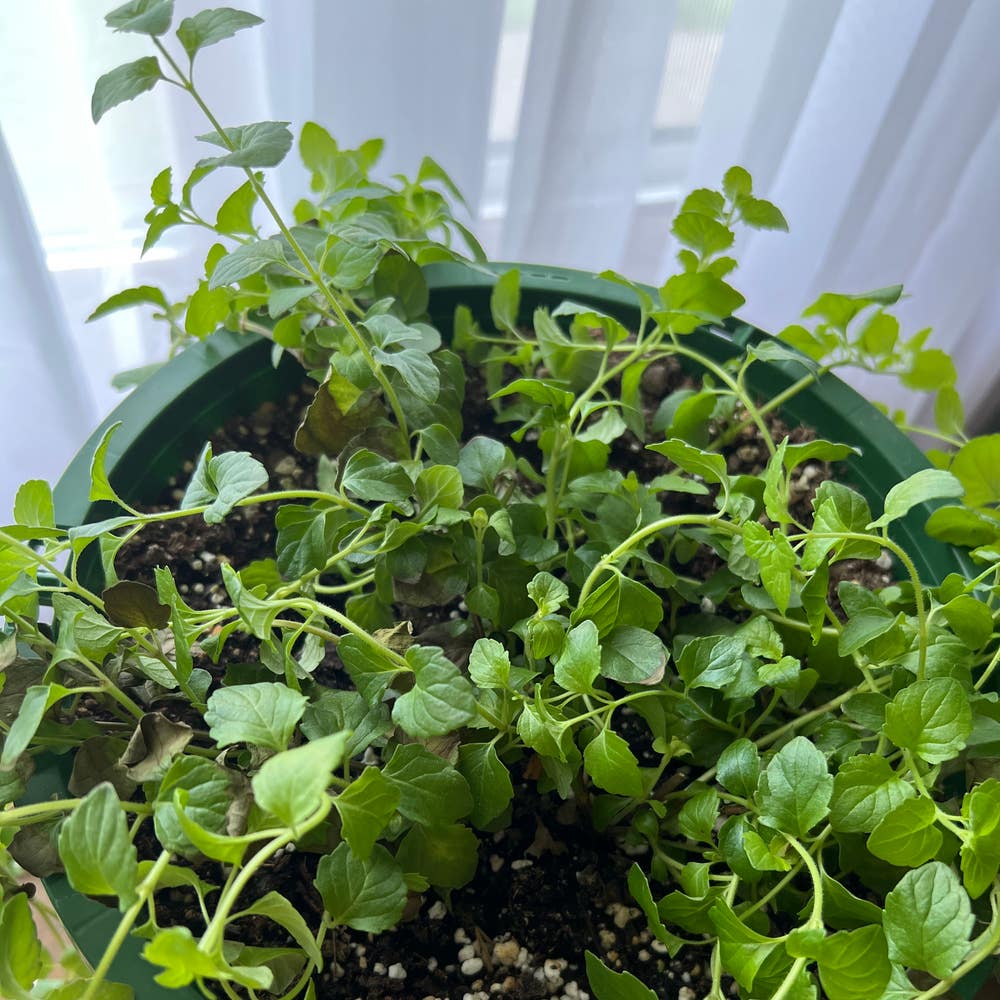
🌍 Why Cuban Oregano Is Not an Annual
Coleus amboinicus
By the Greg Editorial Team
Nov 24, 2024•5 min read
This article was created with the help of AI so we can cover more plants for you. May contain errors. See one? Report it here.
Cultivate Cuban Oregano for a sustainable, flavorful garden that thrives year after year! 🌱
- 🌱 Cuban Oregano is a perennial, thriving for years with proper care and conditions.
- 🌞 It enters dormancy in adverse weather, allowing regrowth when conditions improve.
- 🍽️ Enjoy continuous harvests and low maintenance, making it a gardener's long-term investment.
Genetic and Physiological Characteristics
🌱 Long-term lifecycle
Cuban Oregano is a resilient plant that typically lives for several years when nurtured in optimal conditions. Its remarkable ability to enter dormancy allows it to survive adverse weather, ensuring it can regrow when conditions improve.
🌿 Growth patterns and habits
This herbaceous perennial features woody stems at its base, giving it a sturdy structure. Its growth habit is characterized by a spreading nature, forming dense mats or clumps that can fill garden spaces beautifully.
🌼 Reproductive strategies
While Cuban Oregano can produce seeds, it is not heavily reliant on this method for reproduction. Instead, it primarily propagates through cuttings, which highlights its perennial nature and adaptability in various gardening situations.
With a solid understanding of Cuban Oregano's genetic and physiological traits, you can appreciate its unique lifecycle and growth habits. Next, let's explore the lifecycle implications of this fascinating herb.
Lifecycle Implications
🌱 Growth and flowering cycles
Cuban Oregano showcases a vibrant growth cycle, particularly flourishing in the warm months. Flowering typically occurs from late summer to fall, offering the potential for multiple blooms that can brighten any garden.
During the cooler months, this resilient herb enters a dormancy phase. This seasonal rhythm allows it to conserve energy and prepare for the next active growth period.
🌾 Seed production compared to annuals
When it comes to seed production, Cuban Oregano takes a different approach than annuals. While it can produce seeds, it places less emphasis on this method of reproduction.
In contrast, annuals rely heavily on seed production each season to propagate. This distinction highlights Cuban Oregano's perennial nature, allowing it to thrive year after year without the same urgency for seed viability.
Understanding these lifecycle implications can enhance your gardening strategy, ensuring you appreciate the unique qualities of Cuban Oregano. Next, we’ll explore regional variations that contribute to common misconceptions about this remarkable herb.
Regional Variations
🌦️ Conditions Leading to Misconceptions
Cuban Oregano often faces misunderstandings, especially in cooler climates. During winter, it may die back, leading many to mistakenly categorize it as an annual.
This seasonal dieback can create confusion about its true lifecycle. Gardeners might assume that because it disappears in the cold, it cannot survive beyond a single growing season.
🌍 Exceptions in Different Climates
The growth patterns of Cuban Oregano vary significantly between tropical and temperate regions. In tropical climates, it thrives year-round, showcasing its robust nature.
Conversely, in temperate areas, its growth is more limited due to colder temperatures. Despite this, Cuban Oregano demonstrates remarkable adaptability, allowing it to flourish in diverse environments.
Understanding these regional variations can help gardeners appreciate the perennial nature of Cuban Oregano and its potential for long-term cultivation. As we explore gardening strategies next, consider how these insights can enhance your gardening experience.
Gardening Strategies
🌱 Advantages of using Cuban Oregano
Cuban Oregano is a fantastic choice for gardeners looking for a long-term investment. This herb offers continuous harvests over multiple seasons, allowing you to enjoy its robust flavor year after year.
Sustainability is another key benefit. Unlike annuals that require replanting each season, Cuban Oregano thrives with minimal intervention, making it a low-maintenance option for your garden.
🏡 Tips for garden design
When designing your garden, consider companion planting with other Mediterranean herbs. Pairing Cuban Oregano with plants like rosemary or thyme can enhance growth and flavor while creating a vibrant herb garden.
Space considerations are crucial as well. Ensure you allow enough room for Cuban Oregano's spreading growth, providing access to sunlight and preventing overcrowding. This will help your plants flourish and maximize your harvest.
Incorporating Cuban Oregano into your gardening strategy not only enriches your culinary options but also promotes a sustainable gardening practice. As you plan your garden, keep these tips in mind to create a thriving herb haven.
Next, let's explore effective management tips to ensure your Cuban Oregano remains healthy and productive throughout its lifecycle.
Management Tips
Best practices for maximizing longevity 🌱
To ensure your Cuban Oregano thrives, start with the right soil. It prefers well-draining soil with moderate fertility, which allows its roots to breathe and absorb nutrients effectively.
Watering is another crucial factor. Aim for consistent moisture, but be careful not to waterlog the plant, as this can lead to root rot.
Seasonal care considerations 🌦️
Regular pruning is essential for promoting bushier growth. Trim back your Cuban Oregano periodically to encourage a fuller appearance and prevent it from becoming leggy.
In cooler climates, winter care is vital. Protect your plant from frost to ensure it can regrow in the spring, allowing you to enjoy its robust flavor for years to come.
By following these management tips, you can maximize the longevity and productivity of your Cuban Oregano. This will not only enhance your garden but also provide you with a sustainable source of fresh herbs.
As we move forward, let's explore the advantages of using Cuban Oregano in your gardening endeavors.
⚠️ Safety First
This content is for general information and may contain errors, omissions, or outdated details. It is not medical, veterinary advice, or an endorsement of therapeutic claims.
Always consult a qualified healthcare professional before using any plant as food, medicine, or supplement.
Never eat any plant (or feed one to pets) without confirming its identity with at least two trusted sources.
If you suspect poisoning, call Poison Control (800) 222-1222, the Pet Poison Helpline (800) 213-6680, or your local emergency service immediately.
Spotted an error? Please report it here.
Cuban Oregano is a resilient perennial 🌱 that thrives for years, and with Greg's tailored watering alerts and expert care tips, you can enjoy a bountiful harvest season after season!