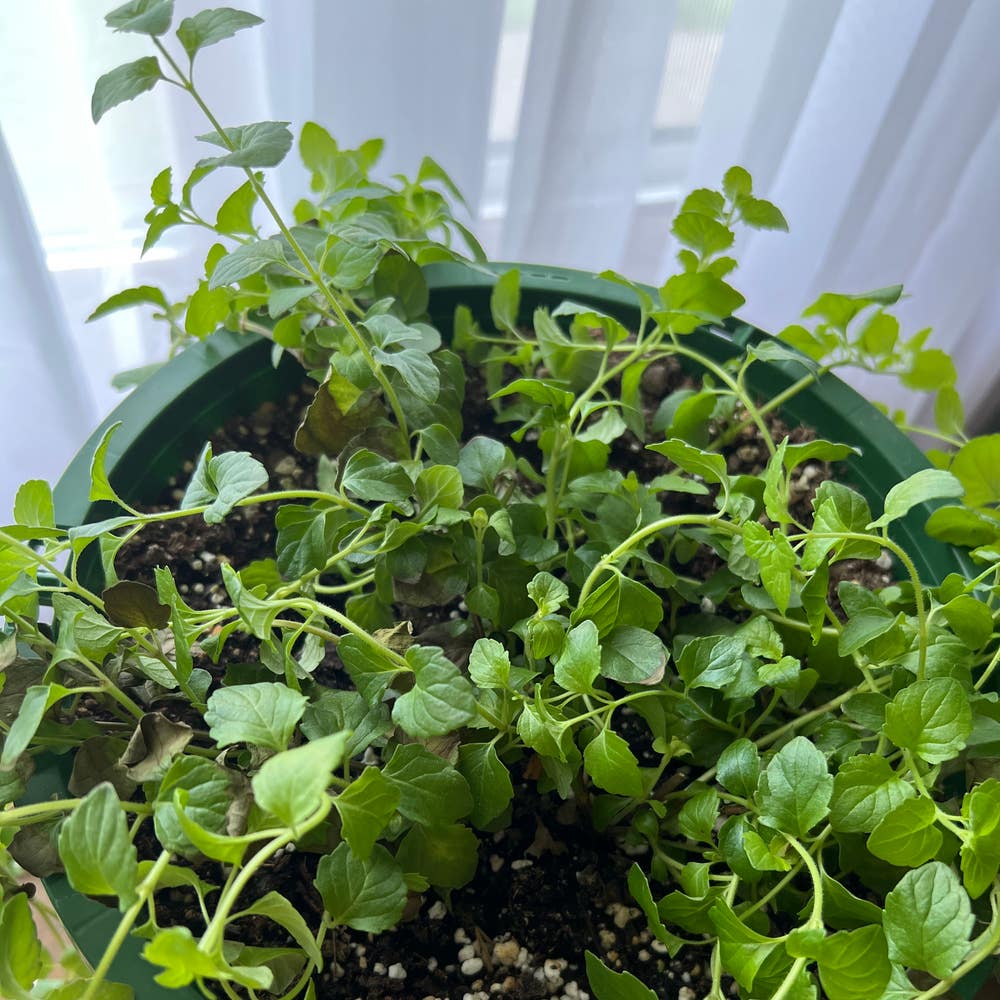
Top 5 Tips for Choosing Indian Borage Soil
Coleus amboinicus
By the Greg Editorial Team
Nov 26, 2024•6 min read
This article was created with the help of AI so we can cover more plants for you. May contain errors. See one? Report it here.
Unlock vibrant growth for your Indian Borage 🌱 by mastering essential soil care techniques for thriving plants! 🌿
- 🌱 Healthy soil is crucial for Indian Borage; watch for mold and compaction signs.
- 🧪 Test soil pH between 6.0 and 7.0 for optimal nutrient uptake.
- 🌿 Improve drainage and aeration to prevent mold and support root growth.
Identifying Unhealthy Soil
🕵️♂️ Signs of Unhealthy Soil
Recognizing unhealthy soil is crucial for the health of your Indian Borage. Common indicators include moldy soil, which often appears as a fuzzy or slimy layer on the surface, typically caused by overwatering or poor air circulation.
Another sign is soil compaction, where the soil feels hard and dense. This can hinder root growth and water absorption, ultimately affecting plant health. Additionally, keep an eye out for foul odors or excessive moisture retention, both of which signal underlying issues.
🔬 How to Test Soil Health for Indian Borage
Assessing soil health can be straightforward. Start with a visual inspection; look for signs of mold and check for compacted areas that feel hard to the touch.
For a more precise evaluation, consider using soil testing kits. These kits can measure pH and nutrient levels, providing a clearer picture of your soil's health and its suitability for growing Indian Borage.
🛠️ Solutions for Common Soil Problems
If you discover moldy soil, it's essential to identify the causes. Overwatering and poor air circulation are often to blame. To remedy this, improve drainage by ensuring pots have adequate holes and reduce watering frequency to allow the soil to dry out between sessions.
For compacted soil, aeration techniques can be beneficial. Use a garden fork or aerator tool to break up the soil, allowing air and water to penetrate more effectively. Additionally, adding organic matter, such as compost, can enhance soil structure and promote healthier growth.
By addressing these common soil problems, you can create a thriving environment for your Indian Borage, setting the stage for optimal growth and health.
Recommended Soil pH Range for Optimal Growth
To ensure your Indian Borage thrives, aim for a soil pH level between 6.0 and 7.0. This range is crucial for optimal nutrient uptake, allowing your plants to absorb essential minerals effectively.
🌱 Importance of pH in Nutrient Uptake
Soil pH significantly impacts nutrient availability. For instance, certain nutrients become less accessible to plants when the pH strays too far from the ideal range.
📉 Effects of pH on Nutrient Availability
When soil pH is too low (acidic), nutrients like phosphorus and potassium may become locked away, leading to deficiencies. Conversely, overly alkaline soil can hinder the absorption of iron and manganese, resulting in poor plant health.
🔬 How to Test Soil pH for Indian Borage
Testing your soil pH is straightforward and can be done using a few methods. You can purchase a soil testing kit from a garden center, which typically provides accurate readings for pH and nutrient levels.
Alternatively, a simple visual inspection can give you clues about your soil's condition. If you notice stunted growth or yellowing leaves, it might be time to check your pH levels.
Understanding and maintaining the right pH is essential for the health of your Indian Borage. With this knowledge, you can take proactive steps to create an environment where your plants can flourish.
Next, we’ll explore how to create a homemade soil mix that perfectly complements your Indian Borage's needs.
Creating a Homemade Soil Mix
Step-by-Step Guide to Making a Soil Mix for Indian Borage 🌱
Creating the perfect soil mix for Indian Borage is essential for its growth. Start by gathering your materials: organic compost, perlite, and coarse sand.
Next, mix the proportions correctly. Aim for 2 parts compost, 1 part perlite, and 1 part coarse sand.
Finally, combine everything thoroughly to ensure even distribution. This step is crucial for providing a balanced environment for your plants.
Recommended Ingredients for a Nutrient-Rich Mix 🥬
Using the right ingredients can make all the difference. Organic compost serves as a vital source of nutrients and beneficial microbes, enriching the soil.
Perlite is another key ingredient; it enhances drainage and aeration, preventing waterlogging. Coarse sand also plays a role, improving soil texture and preventing compaction.
Tips for Adjusting Soil pH in Homemade Mixes ⚖️
Adjusting soil pH is important for optimal plant health. If you need to lower the pH, incorporate peat moss or sulfur into your mix.
Conversely, to raise the pH, add lime or wood ash. After making any adjustments, always test the pH to ensure it falls within the ideal range for Indian Borage.
With these tips, you're well on your way to creating a nutrient-rich soil mix that supports healthy growth. Next, let’s explore soil amendments and enhancements that can further benefit your Indian Borage plants.
Soil Amendments and Enhancements
🌱 Types of Amendments Beneficial for Indian Borage
To cultivate healthy Indian Borage, consider using both organic and mineral amendments. Organic options like compost, worm castings, and aged manure enrich the soil with essential nutrients and improve its structure.
Mineral amendments also play a crucial role. Rock phosphate provides phosphorus, vital for root development, while greensand supplies potassium, enhancing overall plant health.
🌿 How to Incorporate Organic Matter into the Soil
Incorporating organic matter into your soil can significantly boost its quality. One effective method is tilling, where you mix amendments into the top 6-12 inches of soil, ensuring even distribution.
Alternatively, layering is a great technique. By creating a top layer of compost, you allow nutrients to gradually seep into the soil, benefiting your Indian Borage over time.
♻️ Benefits of Using Compost in Indian Borage Soil
Using compost in your soil offers numerous advantages. It enhances soil fertility and structure, providing a solid foundation for your plants to thrive.
Moreover, compost improves moisture retention without causing waterlogging. It also creates a habitat for beneficial microorganisms, which are essential for a healthy soil ecosystem.
Incorporating these amendments and techniques will set the stage for robust growth in your Indian Borage. With the right soil enhancements, your plants will flourish, leading to a bountiful harvest. Next, let's explore seasonal soil considerations to keep your Indian Borage thriving year-round.
Seasonal Soil Considerations
🌦️ Adjusting Soil Care with Seasonal Changes
Seasonal changes significantly impact the care of your Indian Borage. During dry seasons, it's crucial to monitor moisture levels closely, ensuring your plants receive adequate hydration without becoming waterlogged.
In contrast, wet seasons may require adjustments in fertilization. As growth cycles shift, so should your approach to feeding your plants, ensuring they get the nutrients they need at the right time.
❄️ Preparing Soil for Winter Dormancy
As winter approaches, preparing your soil is essential for the health of your Indian Borage. Start by applying a layer of mulch, which protects the soil and helps retain moisture during the colder months.
Additionally, reduce your watering frequency as temperatures drop. This helps prevent root rot and ensures your plants can survive the winter dormancy period.
🌱 Spring Soil Preparation for Indian Borage Growth
Spring is the perfect time to rejuvenate your Indian Borage soil for optimal growth. Begin by testing the soil pH and nutrient levels to understand what adjustments are necessary.
Next, add fresh compost and any needed amendments to enrich the soil. This will provide a nutrient boost, setting your plants up for a vibrant growing season ahead.
With these seasonal considerations in mind, you'll be well-equipped to nurture your Indian Borage throughout the year. Now, let's explore the recommended soil pH range for optimal growth.
⚠️ Safety First
This content is for general information and may contain errors, omissions, or outdated details. It is not medical, veterinary advice, or an endorsement of therapeutic claims.
Always consult a qualified healthcare professional before using any plant as food, medicine, or supplement.
Never eat any plant (or feed one to pets) without confirming its identity with at least two trusted sources.
If you suspect poisoning, call Poison Control (800) 222-1222, the Pet Poison Helpline (800) 213-6680, or your local emergency service immediately.
Spotted an error? Please report it here.
Ensure your Indian Borage flourishes in optimal soil conditions 🌱 by using Greg's tailored tips and reminders for proactive soil management!